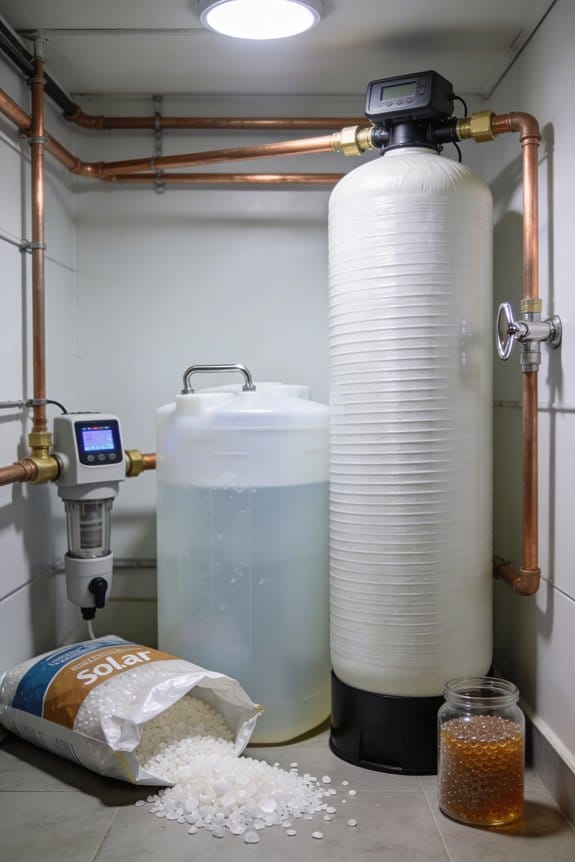
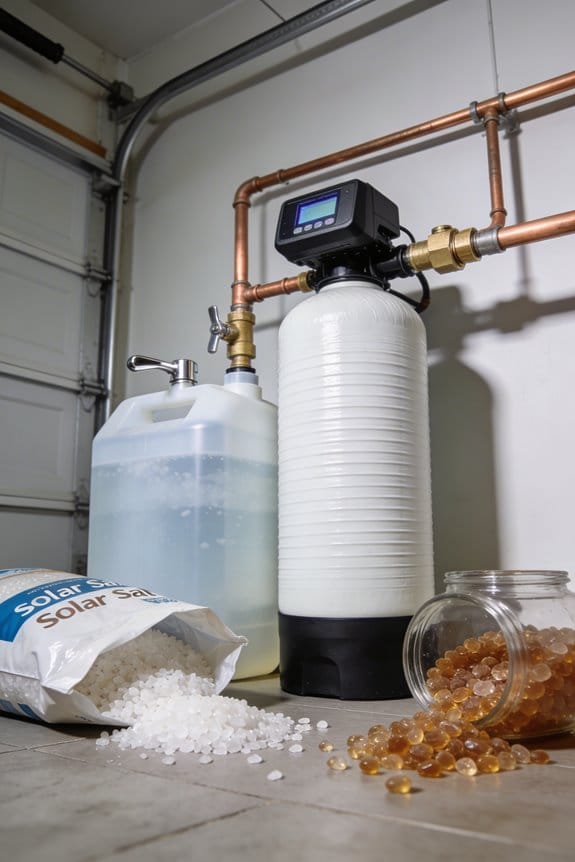

Ion exchange is a chemical process that softens hard water by swapping calcium and magnesium ions—minerals that cause buildup and reduce soap effectiveness—with sodium ions using specially designed resin beads. The negatively charged beads attract the positively charged hardness minerals, removing them from your water. When the resin becomes saturated with calcium and magnesium, a regeneration cycle uses salt brine to restore the beads’ sodium ions and flush out accumulated minerals. Understanding how this system operates reveals why regular maintenance matters for your home’s pipes and appliances.
Key Takeaways
- Ion exchange swaps unwanted calcium and magnesium ions in water for beneficial sodium ions using resin beads.
- Synthetic resin beads contain fixed negative charges that attract and bind positively charged hardness minerals from water.
- As hardness ions accumulate on resin, the exchange process slows until regeneration restores the resin’s softening capacity.
- Regeneration uses concentrated brine solution to displace trapped calcium and magnesium from resin beads back into water.
- Softened water prevents soap scum, scale buildup in pipes and appliances, and improves cleaning effectiveness and skin feel.
Hard Water Problems Ion Exchange Solves
Hard water—water containing high levels of calcium and magnesium ions—creates several practical problems in homes and industries that you’ve likely encountered without realizing it. When you wash dishes or shower, you’ve probably noticed soap scum coating your surfaces, which forms when soap reacts with hardness minerals. Scale buildup accumulates inside pipes, water heaters, and appliances, reducing their efficiency and lifespan. This mineral deposit narrows water passages, forcing your systems to work harder and consume more energy. Additionally, hard water reduces soap’s effectiveness, requiring you to use more detergent for the same cleaning power. Your skin and hair may feel dry or sticky after washing. These problems compound over time, creating costly maintenance issues. Ion exchange technology directly addresses these challenges by removing the calcium and magnesium ions responsible for hardness.
Recommended Products

The WECO Backwashing filter with KL/OZ is a specialized Point-Of-Entry (POE) system designed for municipal and well water supplies. Utilizes iron reduction media consisting of manganese dioxide (MnO2) coated onto naturally mined ZEOSORB. Lightweight filtration media with various functions and properties for water treatment and remediation.

High removal capacity of iron, manganese, hydrogen sulfide. Removes suspended solids and turbidity.

✅𝗘𝗙𝗙𝗜𝗖𝗜𝗘𝗡𝗧 𝗪𝗔𝗧𝗘𝗥 𝗦𝗢𝗙𝗧𝗘𝗡𝗜𝗡𝗚: Our WECO UXC-1665 water softener system is designed to prevent mineral scale buildup on sinks, faucets, shower doors, and plumbing fixtures. This compact water softener reduces the need for frequent scrubbing and cleaning, making maintenance easier for residential and commercial spaces.
What Is Ion Exchange?
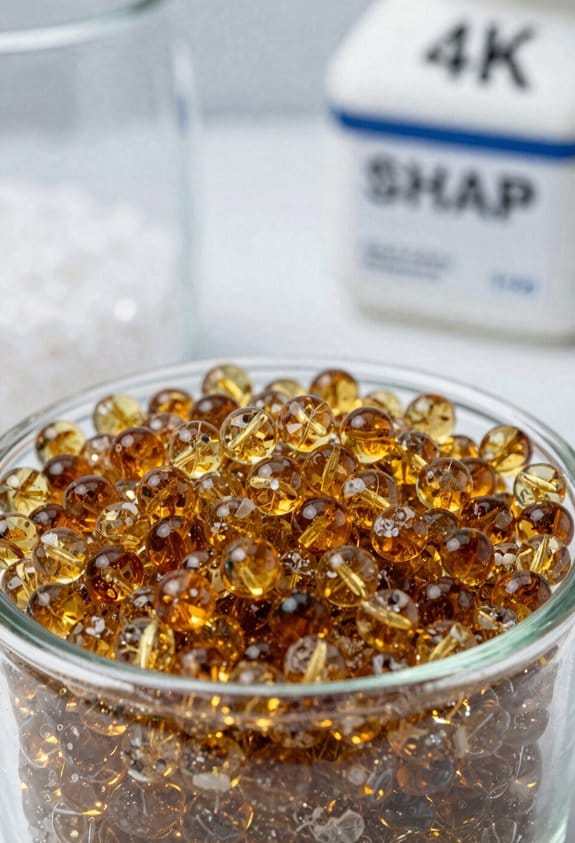
Imagine a process where unwanted minerals in your water swap places with beneficial ones, leaving you with cleaner, softer water that won’t damage your pipes or appliances—that’s ion exchange. This water treatment method uses synthetic resin beads to remove undesirable ions like calcium and magnesium while replacing them with sodium ions. The resin beads contain fixed negative charges that attract positively charged mineral ions through a simple exchange mechanism. Ion exchange history dates back decades, becoming the standard for residential and industrial water softening. While highly effective, the process does have environmental impacts, particularly regarding salt discharge during regeneration cycles. Understanding this technology helps you appreciate how modern water treatment protects your home’s plumbing systems and extends appliance lifespans.
How Do Ion Exchange Resins Actually Work?
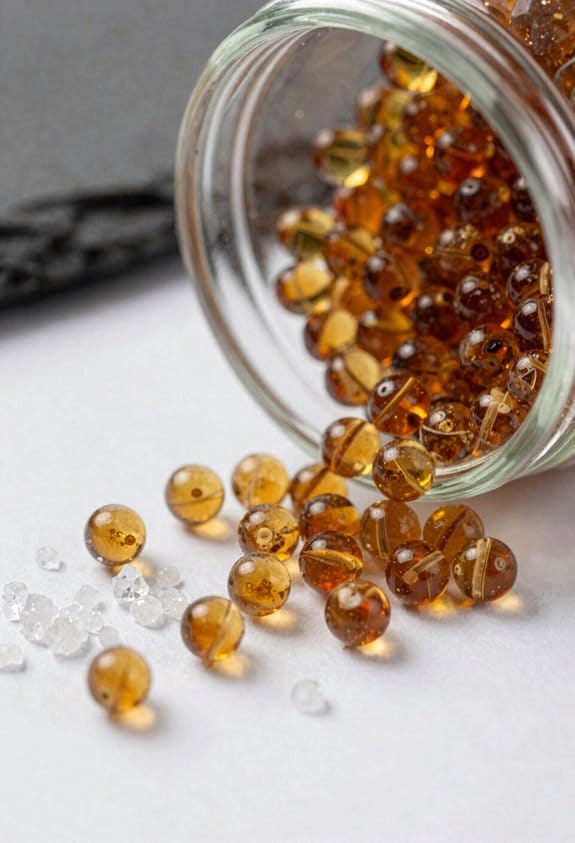
At the heart of water softening lies a fascinating exchange of ions between water and tiny plastic beads, and understanding this process reveals why ion exchange resins work so effectively at removing hardness. These resin beads are small, porous polymers created through polymer crosslinking, which gives them their structure and durability. Inside each bead, fixed negative charges attract positive ions like sodium. When hard water flows through, calcium and magnesium ions—which carry stronger positive charges—displace the sodium through ion pairing mechanics. This electrochemical attraction is the driving force behind the exchange. The hardness ions stick to the resin while sodium releases into the water. This swap continues until the resin becomes saturated and needs regeneration with brine solution.
The Water Softening Process Step by Step
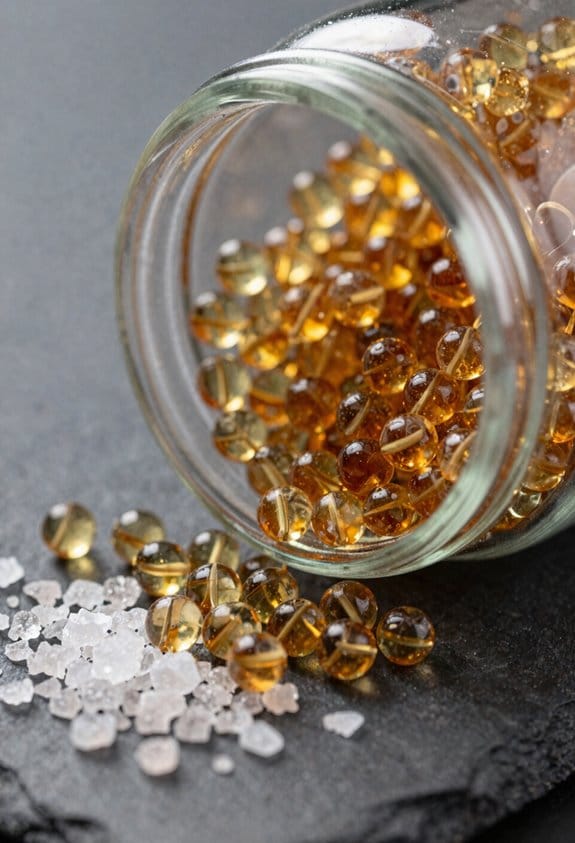
Now that you understand how ion exchange resins work at the molecular level, let’s examine what actually happens when hard water moves through a softening system from start to finish. When hard water enters the tank, a flow distribution monitor guarantees even water movement across the resin bed. As water passes through, calcium and magnesium ions exchange with sodium ions on the resin beads. The treated water exits the tank, now soft and ready for use. Over time, the resin becomes saturated with hardness minerals and loses effectiveness. When this happens, regeneration begins with a backwash cycle that flushes debris from the resin bed. Then, a brine solution restores the resin’s sodium ions, preparing it for another softening cycle.
Recommended Products

Upgraded Large Light Commercial 18x40 round brine tank w/safety float

Perfect for homes with 4 to 6 bathrooms and up to 7 family members, who desires softened water and clean, chemical-free water for the whole family.

Reduces hardness in the water, eliminates scale, spot build up for the entire home and combat the high iron issue at up to 10 ppm and removes red stain buildup.
When Ion Exchange Resin Becomes Saturated
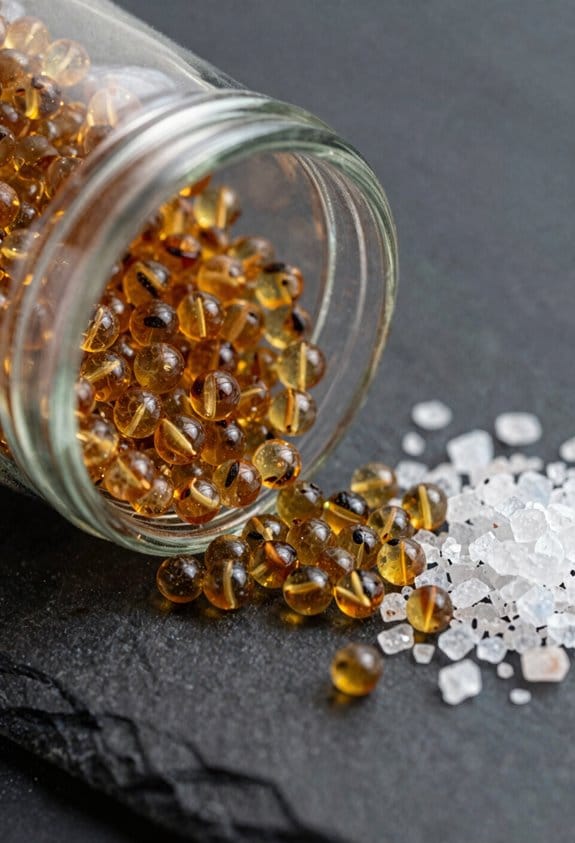
Over time, ion exchange resin builds up hardness minerals and loses its ability to soften water effectively. When calcium and magnesium ions saturate the resin beads, they can’t capture additional hardness minerals from your water. You’ll notice this happens after the system processes a certain volume of hard water, which depends on your water’s hardness level.
Resin performance testing helps determine when saturation occurs. You might observe scale buildup returning to your pipes or appliances, signaling that regeneration is needed. Without proper maintenance, environmental disposal impacts become concerning, as saturated resin eventually requires replacement and disposal. Understanding saturation timing guarantees your softener functions efficiently and prevents unnecessary environmental consequences from improper waste management.
Recommended Products

AutoSense AI Demand Control: Automatically regenerates only when needed, delivering powerful soft water performance while using less salt than demand-based 40,000 grain systems

Replace your old Water Softening Tank instead of dealing with the mess and struggle of replacing just the media
Replace your old Water Softening Tank instead of dealing with the mess and struggle of replacing just the media
Regenerating Ion Exchange Resin With Brine
When your ion exchange resin becomes saturated with hardness minerals, regeneration restores its ability to soften water by flushing the resin bed with brine, a concentrated sodium chloride solution. The high sodium concentration in brine dislodges calcium and magnesium ions that’ve accumulated on the resin beads, allowing sodium ions to reattach and restore the resin’s softening capacity. During this process, the displaced hardness minerals mix with excess brine and get rinsed to the drain. While regeneration effectively recharges your system for continued use, salt disposal presents an environmental impact concern. Communities must manage wastewater containing elevated sodium levels responsibly, as it affects aquatic ecosystems and groundwater quality.
Recommended Products

Dual alternating tanks never run out of soft water

Complete Twin tank water softener provides continuous soft water
Dual alternating tanks never run out of soft water
Demineralization and Industrial Ion Exchange Applications
While water softening addresses hardness minerals like calcium and magnesium, demineralization takes ion exchange technology further by removing virtually all dissolved minerals from water, producing ultrapure water that’s essential for many industrial processes. When plants scale up ion exchange operations, they employ both cation and anion resins working together to eliminate nearly every dissolved ion.
Process monitoring and automation have revolutionized industrial applications. Sensors track water quality in real-time, while computerized systems automatically trigger regeneration cycles when resin becomes saturated. This technological advancement guarantees consistent product quality in chemical manufacturing, pharmaceutical production, and boiler feed systems.
Industries rely on demineralization for applications requiring exceptionally pure water, preventing equipment damage and guaranteeing product integrity throughout manufacturing operations.
Recommended Products
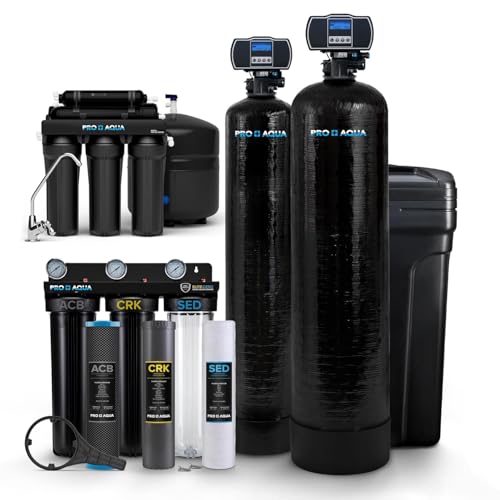
5 STAGE ULTIMATE PROTECTION: Specifically designed to provide unmatched filtration performance for well water. This whole house filtration package will provide safe water for your entire home and remove many contaminants found in well water as well as hardness.

Customizable Water at Home: Indulge in the convenience of choosing between alkaline and acidic water types right at home. The Edge-5 allows you to select from four alkaline levels, three acidic levels —convenient personalized pH settings for drinking, cleaning, and more.

Customizable Water at Home: Indulge in the convenience of choosing between alkaline and acidic water types right at home. The Q-Series allows you to select from four alkaline levels and three acidic levels—convenient personalized pH settings for drinking, cleaning, and more.
Regeneration Frequency for Water Softening Systems
Since water softening systems work by exchanging hard water minerals for sodium ions, I need to understand that the resin’s capacity isn’t unlimited—it’ll eventually become saturated and lose its effectiveness. The frequency of regeneration depends on several factors, including water hardness levels, household water usage, and the system’s tank size. I’ll find that service intervals typically range from every few days to several weeks. Monitoring salt consumption helps me determine when regeneration is necessary; higher consumption indicates the resin requires more frequent restoration. Most modern systems include automatic timers or demand-initiated controls that trigger regeneration cycles based on actual water softening needs, ensuring peak performance and efficiency throughout the year.
Frequently Asked Questions
How Long Do Ion Exchange Resin Beads Typically Last Before Requiring Replacement?
I’d say your ion exchange resin beads typically last 5-10 years with proper maintenance. However, resin lifespan depends on water quality and regeneration frequency. Bead degradation accelerates with heavy contaminants, eventually requiring replacement.
Can Ion Exchange Systems Remove All Types of Contaminants From Water?
I’ll be honest with you—like a net that catches fish but lets water through, ion exchange systems can’t trap everything. They’re excellent for hardness ions but struggle with trace metals and organic molecules that slip past their charged resin beads.
Is Softened Water Safe to Drink for People on Sodium-Restricted Diets?
I’d advise against it. Softened water replaces hardness ions with sodium, markedly increasing your sodium intake. If you’re on a sodium-restricted diet, this poses serious health risks, so I’d recommend alternative solutions.
What Is the Environmental Impact of Disposing Brine During Regeneration Cycles?
I’ll tell you straight: brine runoff from regeneration cycles poses serious environmental challenges. When you dispose of salt from softener regeneration, you’re introducing excess sodium chloride into waterways, harming aquatic ecosystems and contaminating groundwater supplies.
How Do Ion Exchange Systems Compare in Cost to Other Water Treatment Methods?
I’d say ion exchange systems offer moderate installation costs but lower operating expenses than reverse osmosis. You’ll find they’re cost-effective for ongoing softening, though initial setup requires investment in resin and equipment.