As an Amazon Associate, we earn from qualifying purchases. Some links may be affiliate links at no extra cost to you. Although our opinions are based on curated research, we haven't used these products. Articles generated with AI.

10 Best TDS Meters That Deliver Accurate Readings Every Time

You pour a fresh batch of homemade kombucha, watch the liquid turn cloudy, and wonder why the taste is off despite following the recipe to the letter.
A gardener rinses a newly filled hydroponic reservoir, only to see wilting lettuce a weeks later, suspecting the water quality but lacking reliable data.
The difference between a trustworthy TDS meter and a disappointing one often boils down to three common mistakes: ignoring probe material, overlooking temperature compensation, and dismissing read‑speed. This guide reviews the ten best TDS meters, selected for corrosion‑resistant titanium probes, automatic temperature correction, sub‑2 % error across 0‑10 000 ppm, and rapid one‑second readings.
By the end, you’ll know which models excel in durability, accuracy, and ease of integration for both hobbyist and professional projects.
Key Takeaways
If you need reliable readings in changing temperatures, pick a meter with automatic temperature compensation so your measurements stay within ±2 % from 0 to 80 °C.
For anyone who works outdoors, a titanium‑alloy or solid‑alloy probe will resist corrosion and keep your data steady over months of field use.
What makes this TDS meter stand out is the analog 0–2.3 V output or a digital USB/BLE interface, letting you hook it up to a microcontroller without a hassle.
You get auto‑off and auto‑lock features, so the battery lasts longer and the reading never drifts.
The resolution of 1 ppm or 10 ppm matches the precision you need for your project.
| TDS Analog Meter for Arduino and Raspberry Pi | Best for Makers | Measurement Parameter: TDS (analog) | Probe Material: Waterproof probe (unspecified) | Display Type: No LCD (analog output) | VIEW LATEST PRICE | Read Our Analysis | |
| Hofun 3-in-1 TDS/EC/Temp Water Meter |  | Best Value | Measurement Parameter: TDS/EC/Temp (digital) | Probe Material: Titanium alloy probe | Display Type: Backlit LCD | VIEW LATEST PRICE | Read Our Analysis |
| 2026 4-in-1 TDS Digital Water Tester Meter0-9999ppm) | 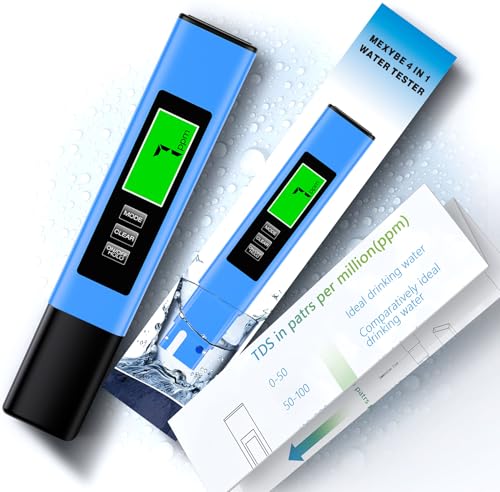 | Premium Choice | Measurement Parameter: TDS/EC/Temp (digital) | Probe Material: Titanium alloy probe | Display Type: Backlit LCD (larger) | VIEW LATEST PRICE | Read Our Analysis |
| Digital Water TDS Meter – Self‑Calibrating Accurate Tester |  | AI‑Enhanced | Measurement Parameter: TDS (digital) | Probe Material: Not specified | Display Type: Large LCD | VIEW LATEST PRICE | Read Our Analysis |
| Myron L 148915 512T5 Analog Total Dissolved Solids Meter 01489-15 | 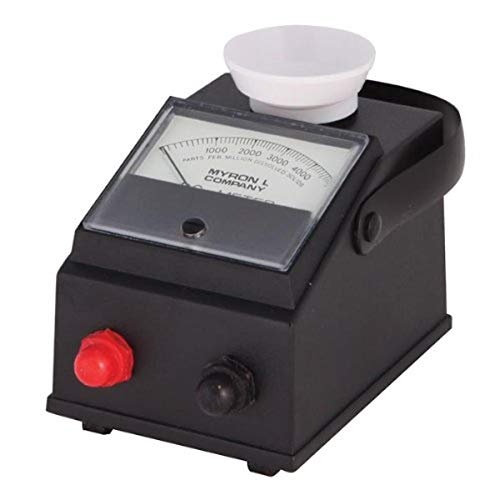 | Analog Classic | Measurement Parameter: TDS (analog) | Probe Material: Built‑in cell cup (electrodes) | Display Type: Analog dial | VIEW LATEST PRICE | Read Our Analysis |
| VIVOSUN Digital pH TDS & EC Meter Kit (Yellow‑Blue) | 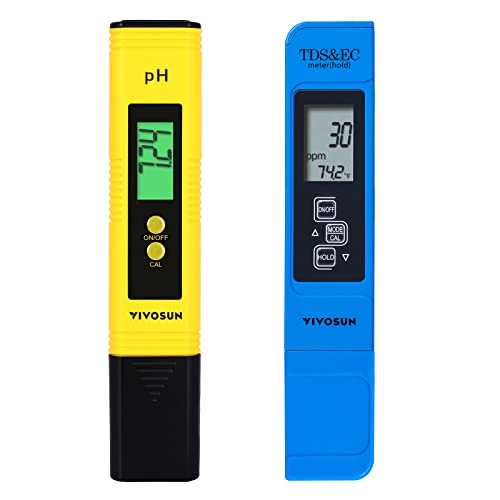 | All‑In‑One Kit | Measurement Parameter: TDS/EC/Temp (digital) + pH (digital) | Probe Material: Titanium alloy probe (TDS/EC) + pH pen | Display Type: LCD (digital) | VIEW LATEST PRICE | Read Our Analysis |
| 2026 4-in-1 TDS Meter Digital Water Tester | 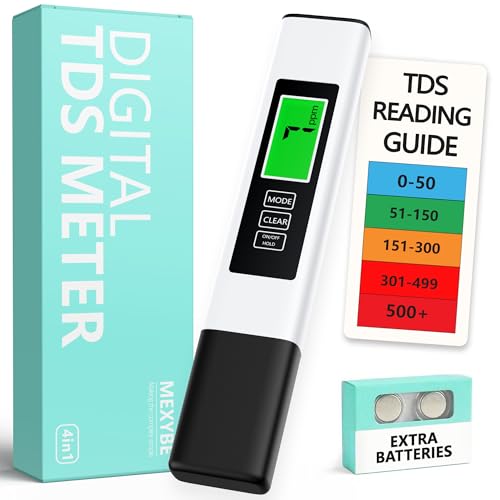 | Pro‑Level | Measurement Parameter: TDS/EC/Temp (digital) | Probe Material: Titanium alloy probe | Display Type: Backlit LCD (larger) | VIEW LATEST PRICE | Read Our Analysis |
| ZeroWater ZT-2 Electronic Water Tester Blue | Compact Essential | Measurement Parameter: TDS (digital) | Probe Material: Not specified | Display Type: LCD (digital) | VIEW LATEST PRICE | Read Our Analysis | |
| Water Tester for Drinking Water- TDS Meter | 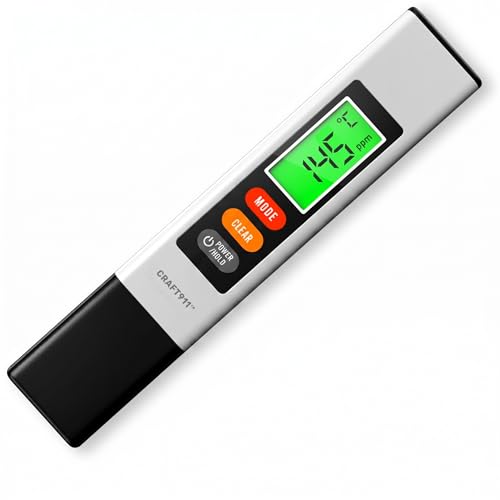 | Home Essentials | Measurement Parameter: TDS (digital) + EC/Temp | Probe Material: Titanium alloy probe | Display Type: Backlit LCD | VIEW LATEST PRICE | Read Our Analysis |
| Professional Water TDS Meter (0-9999 ppm) 1‑Sec Read | 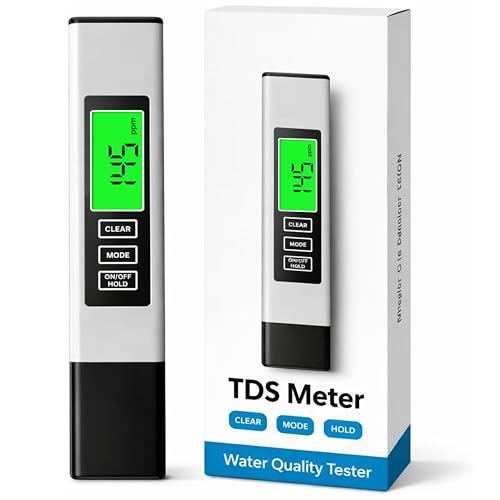 | Fast‑Read Pro | Measurement Parameter: TDS/EC/Temp (digital) | Probe Material: Titanium alloy probe | Display Type: Backlit LCD | VIEW LATEST PRICE | Read Our Analysis |
More Details on Our Top Picks
TDS Analog Meter for Arduino and Raspberry Pi
If you need a simple way to keep an eye on water quality for a school project, the TDS Analog Meter plugs straight into your Arduino or Raspberry Pi with no soldering required. You connect the white signal adapter board to the XH2.54‑3P header, then snap the waterproof probe into the XH2.54‑2P interface; the board works with either 3.3 V or 5 V supplies, so you can use whatever you already have. The sensor outputs a 0–2.3 V analog signal that maps to 0–1000 ppm TDS, and it only draws 3–6 mA, keeping power consumption low.
For anyone who wants a reliable, low‑cost solution for monitoring water, the AC excitation signal prevents probe polarization and extends the probe’s life up to 55 °C. You’ll appreciate the 83‑cm sealed probe head, but make sure to keep it away from container edges to avoid reading errors. The analog output works with Arduino’s built‑in ADC or a Raspberry Pi ADC add‑on, letting you convert voltage into ppm with ±10 % full‑scale accuracy at 25 °C.
You get accurate water‑quality data without the hassle of complex wiring. The sensor is perfect for hobbyists and educators who need a straightforward, affordable way to measure TDS in labs or DIY projects. Plug it in, power it up, and let the meter do the heavy lifting.
- Measurement Parameter:TDS (analog)
- Probe Material:Waterproof probe (unspecified)
- Display Type:No LCD (analog output)
- Power Source:3.3–5.5 V supply (Arduino/RPi)
- Measurement Range (ppm):0–1000 ppm
- Auto‑Lock / Hold Function:No (analog)
- Additional Feature:Plug‑and‑play adapter board
- Additional Feature:Waterproof 83 cm probe
- Additional Feature:AC excitation to prevent polarization
Hofun 3-in-1 TDS/EC/Temp Water Meter
If you need a quick check on water purity for your hydroponic garden, the Hofun 3‑in‑1 TDS/EC/Temp Water Meter gives you TDS, EC, and temperature in one handheld device. You just turn it on, dip the titanium alloy probe, and the large backlit LCD instantly shows three numbers. The TDS range goes up to 9,990 ppm, while EC and temperature share the same probe, saving you space and time. An auto‑lock (HOLD) feature steadies the display, and the unit powers down after two minutes of inactivity to save battery. Its compact size (6.4 × 1.2 × 0.6 in) and light weight (1.44 oz) make it easy to carry to labs, pools, or hydroponic trays.
For anyone who monitors aquarium health, this meter lets you verify water quality without juggling multiple tools. You stir the probe in the tank, and the backlit screen gives you clear readings at a glance. The combined TDS and EC measurements help you spot issues early, while the temperature readout ensures your fish stay in the right range. The auto‑lock keeps the numbers steady while you note them, and the auto‑off saves power for the next check.
What makes this water‑testing gadget stand out is its simplicity and speed. You get accurate TDS, EC, and temperature data in seconds, and the large LCD makes it easy to read even in low light. The titanium alloy probe is durable, so you won’t have to replace it often. The device’s small footprint fits neatly in a pocket or toolbox, ready for any on‑the‑go testing.
You get reliable water‑purity monitoring without the hassle of separate meters. The single probe design means you only carry one piece of equipment, and the auto‑lock feature lets you lock in a reading while you write it down. Battery life is extended by the automatic shut‑off, so you can rely on it for daily checks. The manufacturer backs it with high‑quality standards, giving you confidence in the results.
- Measurement Parameter:TDS/EC/Temp (digital)
- Probe Material:Titanium alloy probe
- Display Type:Backlit LCD
- Power Source:Battery (unspecified)
- Measurement Range (ppm):0–9990 ppm
- Auto‑Lock / Hold Function:Auto‑lock (HOLD)
- Additional Feature:Large backlit LCD
- Additional Feature:Auto‑off after 2 min inactivity
- Additional Feature:Titanium alloy probe
2026 4-in-1 TDS Digital Water Tester Meter0-9999ppm)
If you’re worried about the safety of the water you drink while camping or at home, the 4‑in‑1 TDS Digital Water Tester Meter lets you check it in seconds. Its titanium alloy probe and high‑precision chip measure total dissolved solids from 0 to 9999 ppm, plus conductivity and temperature in both Celsius and Fahrenheit. The 25 % larger backlit LCD shows the numbers clearly even at dusk.
For anyone who monitors RO filters or aquarium water, the auto‑lock keeps readings steady while the auto‑off conserves battery after two minutes. You’ll appreciate the compact 1.76‑ounce design that runs on two LR44 batteries and the live support from water‑quality experts.
What makes this tester stand out is the printed TDS chart that helps you interpret ppm levels instantly. You get reliable data without needing a lab, and the device fits easily in a backpack or kitchen drawer.
Perfect for hobbyists who love to tinker, this meter gives you confidence that your water source is safe, whether you’re at a campsite, a home faucet, or a fish tank. The short‑term battery life and easy‑read display make it a hassle‑free addition to your routine.
- Measurement Parameter:TDS/EC/Temp (digital)
- Probe Material:Titanium alloy probe
- Display Type:Backlit LCD (larger)
- Power Source:2 LR44 batteries
- Measurement Range (ppm):0–9999 ppm
- Auto‑Lock / Hold Function:Auto‑lock (hold)
- Additional Feature:25% larger backlit screen
- Additional Feature:Pre‑printed TDS chart on back
- Additional Feature:Live chat water‑quality support
Digital Water TDS Meter – Self‑Calibrating Accurate Tester
If you’re worried about the safety of your drinking water, the self‑calibrating AI engine takes care of zeroing for you, so you can get a clean reading instantly. For anyone who wants a quick check of aquarium or hydroponic water, the large LCD shows TDS in parts per million without squinting, even under bright lights. You get accurate results without fiddling with manual calibrations.
What makes this digital water tester stand out is its pocket‑sized 1.45‑ounce design that fits easily in a kitchen drawer or backpack. The one‑button operation means you don’t need a tech background to measure tap, well, or pool water, and the consistent accuracy helps both beginners and seasoned professionals trust each reading. It’s a simple solution for everyday water quality checks.
Perfect for busy households, this TDS meter lets you monitor health‑related mineral levels on the fly. The included user guide walks you through interpreting the numbers and caring for the probe, so you won’t lose accuracy over time. You’ll appreciate how fast and straightforward the process feels.
- Measurement Parameter:TDS (digital)
- Probe Material:Not specified
- Display Type:Large LCD
- Power Source:Battery (unspecified)
- Measurement Range (ppm):Not specified (digital)
- Auto‑Lock / Hold Function:Hold function
- Additional Feature:AI‑powered self‑calibration
- Additional Feature:Large easy‑to‑read LCD
- Additional Feature:Beginner‑friendly design
Myron L 148915 512T5 Analog Total Dissolved Solids Meter 01489-15
If you need a quick TDS check while out in the field, this analog meter gives you instant readings without a complicated setup. You’ll love the 0‑5,000 ppm range and 0.2 ppm resolution, letting you spot even tiny changes in water quality. The built‑in 25 ml cell cup makes sampling a breeze. You get a lightweight 1.1 lb device that fits in a 6.89 × 6.73 × 5.31 in package, so it’s easy to toss into a bag and carry anywhere.
For anyone who worries about electrode maintenance, the self‑maintaining electrodes never need replatinizing, saving you time and hassle. Automatic temperature compensation adjusts the reading for water temperature, keeping your results accurate across conditions. The meter stays in production, meaning parts and support are still available when you need them.
What makes this TDS meter stand out is the optional extender that multiplies the range by ten, giving you flexibility for higher‑concentration samples. You can rely on it for on‑site analysis, getting immediate results without sending samples to a lab. It’s built for field technicians, but anyone who needs reliable water quality data will find it handy.
- Measurement Parameter:TDS (analog)
- Probe Material:Built‑in cell cup (electrodes)
- Display Type:Analog dial
- Power Source:Battery (unspecified)
- Measurement Range (ppm):0–5000 ppm
- Auto‑Lock / Hold Function:Not specified
- Additional Feature:Built‑in cell cup
- Additional Feature:Maintenance‑free electrodes
- Additional Feature:Optional conductivity range extender
VIVOSUN Digital pH TDS & EC Meter Kit (Yellow‑Blue)
If you need a quick way to keep your hydroponic water chemistry in check, the VIVOSUN digital meter lets you test pH, TDS, EC and temperature with one handheld device. You’ll appreciate the pen‑type pH probe that reads the full 0‑14 scale with 0.01 resolution, so even tiny shifts in acidity are caught right away. The 3‑in‑1 sensor covers TDS up to 9,990 ppm and EC up to 9,990 µS/cm, both accurate within ±2 %, while temperature spans 0.1‑80 °C.
For anyone who juggles aquarium maintenance and garden watering, the lightweight plastic case and three calibration buffers make the kit portable and ready for any setting. You can slip it into a pocket or a drawer and still have a protective case that guards against drops. The UL certification means it’s safe to use around water without worrying about electrical issues.
What makes this meter stand out is its single‑hand operation, letting you take a reading while you’re already tending to your plants or fish. You won’t need multiple gadgets or a lab bench; just press a button and get all four measurements instantly. The design keeps everything compact, so you can store it with your other tools without taking up much space.
- Measurement Parameter:TDS/EC/Temp (digital) + pH (digital)
- Probe Material:Titanium alloy probe (TDS/EC) + pH pen
- Display Type:LCD (digital)
- Power Source:Battery (unspecified)
- Measurement Range (ppm):0–9990 ppm
- Auto‑Lock / Hold Function:Auto‑lock (hold)
- Additional Feature:Includes pH pen with 0.01 resolution
- Additional Feature:Protective case for portability
- Additional Feature:UL certified safety
2026 4-in-1 TDS Meter Digital Water Tester
If you need a quick way to check water quality at home, the 4‑in‑1 TDS Meter gives you TDS, EC, Celsius and Fahrenheit readings in one hand‑held device. You’ll love the 25 % larger backlit LCD; even seniors and kids can read the numbers without squinting. The titanium alloy probe and high‑precision chip keep the TDS readout accurate from 0 to 9999 ppm, and the built‑in chart translates those numbers instantly.
For anyone who waters a garden or runs a small hydroponic system, the auto‑lock feature steadies the reading while you move the probe. The device shuts off after two minutes, so the battery lasts longer. It’s only 1.76 oz, so it slides into a pocket or tool belt without fuss.
What makes this water tester stand out is the seamless switch between Celsius and Fahrenheit, letting you match the units your system uses. You get clear, reliable data without juggling multiple gadgets. The live‑chat support is there if you ever need a quick answer.
- Measurement Parameter:TDS/EC/Temp (digital)
- Probe Material:Titanium alloy probe
- Display Type:Backlit LCD (larger)
- Power Source:Battery (unspecified)
- Measurement Range (ppm):0–9999 ppm
- Auto‑Lock / Hold Function:Auto‑lock (hold)
- Additional Feature:25% larger backlit LCD
- Additional Feature:On‑device TDS reference chart
- Additional Feature:Live chat expert support
ZeroWater ZT-2 Electronic Water Tester Blue
If you want to know whether your ZeroWater pitcher is still doing its job, the ZT‑2 electronic tester gives you a quick, reliable readout. It shows total dissolved solids up to 999 ppm with a single digit display, so you can tell instantly if the water is clean enough for drinking. You just dip the probe, press a button, and get a number—no hassle, no guesswork.
For anyone who worries about filter life, this meter lets you spot the 006 ppm replacement point before the taste changes. It runs on two 1.5 V button cells that come included, and swapping them is a breeze. The compact blue housing fits neatly in the pitcher reservoir, so you always have it on hand.
What makes this tester stand out is its simplicity: you don’t need a lab, just a quick dip and a glance. It won’t identify specific contaminants, but it’s perfect for tracking overall water quality as you compare tap, bottled, or filtered sources. The device is tiny—about 6 × 7 × 5 in and weighing only 0.07 lb—so it won’t clutter your kitchen.
- Measurement Parameter:TDS (digital)
- Probe Material:Not specified
- Display Type:LCD (digital)
- Power Source:2 button cells (1.5 V)
- Measurement Range (ppm):0–999 ppm
- Auto‑Lock / Hold Function:Not specified
- Additional Feature:NSF certified for safety
- Additional Feature:Fits ZeroWater pitcher reservoir
- Additional Feature:Battery‑powered, button cells included
Water Tester for Drinking Water- TDS Meter
If you want to know whether your tap water is truly clean, the premium titanium alloy probe lets you dip it into any sample and get an instant reading. The intelligent chip calculates total dissolved solids in ppm and then locks the value so it won’t drift. A large backlit LCD displays the result clearly, even in dim lighting.
For anyone who runs a home RO system or keeps an aquarium, this device fits comfortably in your hand at just over two ounces and six inches long. It works for drinking water, bottled water, RO output, aquariums, and hydroponics. You get reliable data without guessing.
What makes this TDS meter stand out is its ability to lock the reading, so you can record a stable value for later comparison. The backlit LCD stays bright in low light, making it easy to read on the go. It’s simple enough for beginners and precise enough for pros.
You get a three‑year warranty and a 90‑day money‑back guarantee, giving you confidence in its durability and accuracy. Perfect for health‑conscious families, this tester helps you keep your water safe and pure. No complicated setup—just dip, read, and go.
- Measurement Parameter:TDS (digital) + EC/Temp
- Probe Material:Titanium alloy probe
- Display Type:Backlit LCD
- Power Source:Battery (unspecified)
- Measurement Range (ppm):0–9999 ppm
- Auto‑Lock / Hold Function:Auto‑lock (hold)
- Additional Feature:Instant dip‑and‑read operation
- Additional Feature:3‑year warranty coverage
- Additional Feature:90‑day money‑back guarantee
Professional Water TDS Meter (0-9999 ppm) 1‑Sec Read
If you need a quick snapshot of water quality while testing a tank or checking a well, the 1‑second read speed gives you instant results. You’ll see total dissolved solids from 0 to 9999 ppm, conductivity, and temperature in both Celsius and Fahrenheit on a large backlit LCD that stays clear even in dim lighting. The titanium‑alloy probe resists corrosion, so you get consistent contact with the sample.
For anyone who works in the field or moves between labs, the auto‑lock hold function freezes the reading for easy recording. Its compact size (6.29 × 1.4 × 0.6 in) and light weight (2.11 oz) make it easy to carry in a pocket or toolbox. You get a three‑year warranty plus a 90‑day money‑back guarantee for peace of mind.
What makes this TDS meter stand out is the combination of speed, durability, and clear display without sacrificing accuracy. The titanium‑alloy probe stays strong against corrosion, and the backlit LCD remains readable in low light. You’ll appreciate how the device fits into your routine, whether you’re a lab tech, aquarium hobbyist, or environmental inspector.
- Measurement Parameter:TDS/EC/Temp (digital)
- Probe Material:Titanium alloy probe
- Display Type:Backlit LCD
- Power Source:Battery (unspecified)
- Measurement Range (ppm):0–9999 ppm
- Auto‑Lock / Hold Function:Auto‑lock (hold)
- Additional Feature:1‑second instantaneous read
- Additional Feature:Premium titanium alloy probe
- Additional Feature:3‑year warranty, 90‑day guarantee
Factors to Consider When Choosing a Total Dissolved Solids Meter
If you need to know exactly how clean your drinking water is, a TDS meter that reads from 0 to 9,999 ppm with a tight error margin will give you reliable data across any source. For anyone who worries about corrosion, choose a probe made of stainless‑steel or titanium, because those materials stay strong longer. What makes this meter stand out is its automatic temperature compensation, which keeps readings accurate even when the water temperature shifts. You get consistent results without constantly adjusting the device. The product solves battery anxiety by offering a long‑lasting rechargeable cell and a simple USB‑C port, so you can log data via Bluetooth or a quick cable connection. Perfect for weekend campers, this meter lets you test lake water on the spot. Its rugged probe survives drops and splashes, so you won’t need a spare after a rough day. Short and sweet: it’s built to last.
Measurement Accuracy & Range
If you’re checking drinking‑water quality at home, you’ll want a meter that comfortably covers the range you’ll see. A 0–1000 ppm scale handles most tap‑water tests, while industrial or brine work needs a 0–9999 ppm range. Choose a device whose range exceeds your expected values, because a cramped scale forces saturation and loses detail.
For anyone who needs precise numbers, look at the accuracy spec. Consumer models usually sit around ±2–10 % of the reading, whereas lab‑grade units can be tighter. A tighter tolerance means you can trust the numbers when you’re making health‑related decisions.
You get reliable readings without guessing temperature effects because the meter includes automatic temperature compensation. Conductivity – and thus TDS – shifts with temperature, so this feature keeps your data consistent.
What makes this TDS meter stand out is its resolution. A 1 ppm display lets you spot tiny shifts, while 10 ppm granularity is enough for coarse monitoring. The finer the resolution, the more confidence you have in subtle changes.
Perfect for hobbyists and professionals alike, the device also offers response‑time controls like hold, lock, and averaging. These tools steady fluctuating samples, so you can capture a stable reading every time.
Probe Material & Durability
If you need a probe that stays reliable for years, choose a titanium alloy model. Its corrosion‑resistant body gives you fast, stable conductivity readings in both freshwater and mildly salty water. You’ll avoid the hassle of frequent replacements.
For anyone who works near splashing or submerging equipment, a waterproof head and sealed leads are essential. Exposed connectors will fail the way, while a sealed design keeps your meter accurate. Pick a probe that can handle up to 80 °C—exceeding that risks sensor and seal damage.
What makes this probe stand out is its low‑maintenance electrode construction. Plated electrodes need periodic replatinizing or cleaning, but solid‑alloy versions are practically maintenance‑free. You’ll spend less time servicing and more time measuring.
You get strong mechanical robustness without sacrificing precision. Reinforced cable, strain relief, and a sturdy tip reduce breakage and drift in field use. This means you can trust the readings even after a rough day outdoors.
Temperature Compensation Method
If you need accurate TDS readings in changing water temperatures, an automatic temperature‑compensation (ATC) sensor does the heavy lifting for you. It reads the sample’s temperature with an internal probe and instantly applies the correction, so you never have to do the math yourself. This saves time and cuts down on error when you’re testing multiple sources.
For anyone who prefers a hands‑on approach, manual compensation lets you record the temperature separately and then apply the factor yourself. It’s a simple calculation, but it can slip your mind if you’re juggling other tasks. The key is to know the coefficient—about 2 % per °C—so you can adjust the reading correctly.
What makes this TDS meter stand out is the ability to show the compensation coefficient on the display, letting you verify the adjustment at a glance. You’ll appreciate the clear readout when you’re dealing with different water chemistries.
You get reliable results without guessing, because the device handles the temperature shift in real time. This is especially useful for home brewers, aquarium hobbyists, and field technicians who need consistent data.
The fast‑response sensor and a clear specification of temperature‑compensated accuracy across the full operating range give you confidence in every measurement. It’s a solid choice for anyone who values precision and convenience.
Power Source & Battery Life
If you’re out in the field all day and can’t afford a dead meter, the power source matters more than the sensor accuracy. For anyone who swaps batteries on the go, a model that runs on common AA or AAA cells saves you trips to the hardware store. You get a rechargeable Li‑ion pack without the hassle of hunting for spare cells. The auto‑off timer—usually around two minutes—keeps the battery from draining when you forget to turn it off.
What makes this TDS meter stand out is its clear display that lights up only when you need it, so you won’t waste power on a constantly glowing screen. If you log measurements continuously, expect a shorter run time because logging draws extra current. Choose a unit with a USB‑rechargeable battery if you want to top it up from a power bank in minutes.
Perfect for weekend hikers, this meter lets you swap button cells in seconds, keeping you measuring water quality without delay. The spec sheet lists the operating current and how many tests you can run per charge, so you can plan your day ahead. Short sentence: Battery life is easy to estimate.
Interface & Data Output
If you want to pull raw sensor data for your own analysis, pick a meter with an analog output. You’ll get a steady voltage or current—often 0–2.5 V—that you can hook straight into a microcontroller’s ADC for real‑time monitoring. This works great for hobbyists who love tinkering with custom dashboards.
For anyone who prefers plug‑and‑play numbers, a digital display or protocol is the way to go. You’ll see processed ppm values on an LCD or receive them via I2C, UART, USB, or Ethernet, and many models even add timestamps for easy logging. The digital route saves you the hassle of building conversion circuits.
What makes this meter stand out is the flexibility to match your data logger. You can verify that the voltage range or communication protocol lines up with your existing recorder, and you’ll know whether temperature compensation is built‑in or offered as a separate output. This prevents mismatches that could skew your results.
You get reliable remote retrieval without sacrificing update speed. For long‑term projects, choose serial or networked digital ports; they let you pull data from afar and keep your measurements precise and responsive. This is perfect for field work where you can’t be at the device all the time.
Frequently Asked Questions
How Often Should I Calibrate My TDS Meter for Reliable Results?
You should calibrate your TDS meter at least once a month, and more often if you test water with widely varying mineral content, because temperature shifts and electrode wear can skew results. Calibration uses a known‑concentration solution to adjust the sensor’s baseline, ensuring the meter reports true dissolved‑solid levels. If you notice sudden spikes or drops, recalibrate immediately; otherwise, a regular monthly schedule keeps readings reliable without unnecessary hassle.
Can a TDS Meter Detect Specific Contaminants Beyond Total Solids?
You can’t use a TDS meter to pinpoint individual contaminants; it only measures the combined electrical conductivity of all dissolved ions, which it translates into a total solids estimate. Conductivity changes when ion concentration changes, so the meter reflects overall mineral load, not specific chemicals. If you need to identify particular pollutants, you’ll require targeted tests, such as ion‑selective probes, spectroscopic analysis, or laboratory assays designed for those substances.
What Battery Type Provides the Longest Lifespan for Handheld TDS Meters?
You should choose a lithium‑ion rechargeable battery, because it holds the most charge per weight, lasts thousands of cycles, and maintains voltage stability over time. Lithium‑ion cells degrade slowly, so a handheld TDS meter powered by them can operate for years before performance drops. In contrast, alkaline or NiMH batteries lose capacity faster, require frequent replacement, and can cause intermittent readings. Selecting a high‑capacity lithium‑ion pack guarantees the longest practical lifespan.
Do Temperature Fluctuations Affect TDS Readings in Outdoor Water Sources?
Yes, temperature fluctuations do affect TDS readings in outdoor water sources, because the sensor’s electrical conductivity changes with temperature; most meters assume a standard 25 °C baseline, so warmer water reads higher TDS and colder water reads lower. You can compensate by using a built‑in temperature correction feature, applying a manual correction factor, or measuring temperature first and adjusting the result. Consistently calibrating the device and recording temperature guarantees more reliable data.
Is There a Recommended Storage Method to Preserve TDS Meter Accuracy?
You should store the TDS meter in a cool, dry place, away from direct sunlight and extreme temperature changes, because heat and moisture can degrade the probe’s membrane and affect calibration. Keep it in its protective case, and if the device has a removable electrode, rinse it with distilled water, dry it gently, and place it in a sealed bag to prevent oxidation. Avoid storing near chemicals, and check the manufacturer’s recommended shelf life.