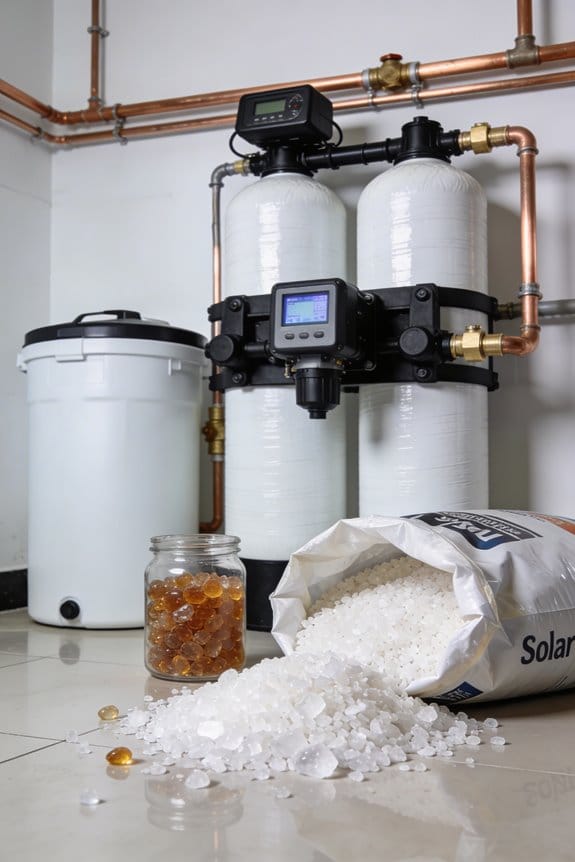

Salt-free conditioners can be safe for well water, but safety depends on your water’s specific contaminants. These systems use crystal technology to prevent scale buildup without removing minerals, which is gentler than salt-based softeners. However, they don’t eliminate bacteria, viruses, nitrates, arsenic, or chemicals—contaminants common in wells. You’ll need water testing first to identify what’s present, then determine if pretreatment is necessary before installation. Understanding your well’s unique chemistry reveals whether this solution truly works for you.
Key Takeaways
- Salt-free conditioners are generally safe for well water when used appropriately for moderate hardness levels with minimal contamination.
- They do not remove microbial contaminants like bacteria, viruses, or parasites common in shallow well water; additional filtration required.
- High iron or sulfur concentrations in well water can clog conditioner media; pretreatment systems needed before installation.
- Salt-free systems prevent scale buildup through crystal modification without removing beneficial minerals, maintaining water quality safely.
- Well water requires customized treatment based on individual chemistry testing; conditioners alone insufficient if dangerous contaminants like arsenic or nitrates present.
What Salt-Free Conditioners Actually Do
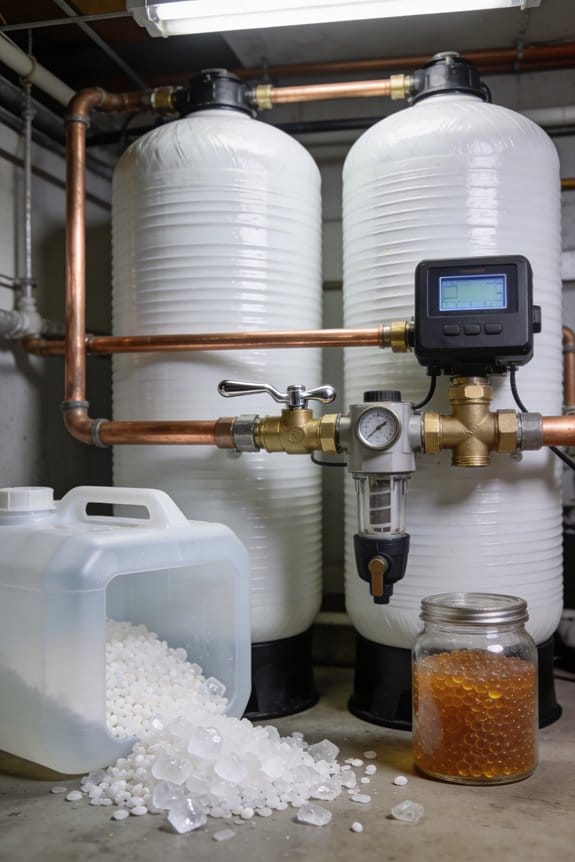
Because salt-free water conditioners work differently than traditional water softeners, it’s important to understand what they actually accomplish in your well water system. These systems use template assisted crystallization (TAC) to prevent scale buildup inside your pipes and appliances rather than removing hardness minerals. I should clarify that they don’t soften water or eliminate calcium and magnesium; instead, they transform how minerals behave. This mineral retention means you keep beneficial elements in your drinking water without the slippery feel of softened water. However, this also means soap interaction remains similar to untreated well water, so you won’t notice improved lathering. Understanding this distinction helps you determine whether a salt-free conditioner meets your specific water treatment needs.
Why Well Water Needs Different Treatment Than Municipal Water
Unlike municipal water that’s treated at centralized facilities and monitored by government agencies, well water comes directly from underground sources on your property, meaning you’re responsible for its quality and safety. Groundwater variability makes each well unique, depending on local geology, rainfall patterns, and soil composition. Well depth impacts what contaminants you’re likely to encounter—shallow wells risk bacterial contamination, while deeper wells often contain higher mineral concentrations from surrounding rock and soil. Municipal systems use standardized treatment processes, but your well requires customized solutions based on your specific water chemistry. Understanding these differences helps you choose appropriate treatment methods, like salt-free conditioners, that address your particular well water challenges effectively.
Recommended Products

4 STAGE ULTIMATE PROTECTION: Specifically designed to provide unmatched filtration and softening performance. This whole house filtration/salt-free softener conditioner package will provide safe soft water for your entire home and remove heavy metals, odors, colors, and many other contaminants in your water.

Cleaner, Healthier Water from Every Tap in Your Home – High-performance water filter system for great-tasting water, improved air quality, healthier hair & skin, and protected pipes & appliances

The easiest, cutting-edge salt chlorinator. Precision engineering provide reliable chlorine generation - automatically, every day for hassle-free blue pool.
How Salt-Free Systems Stop Scale Formation
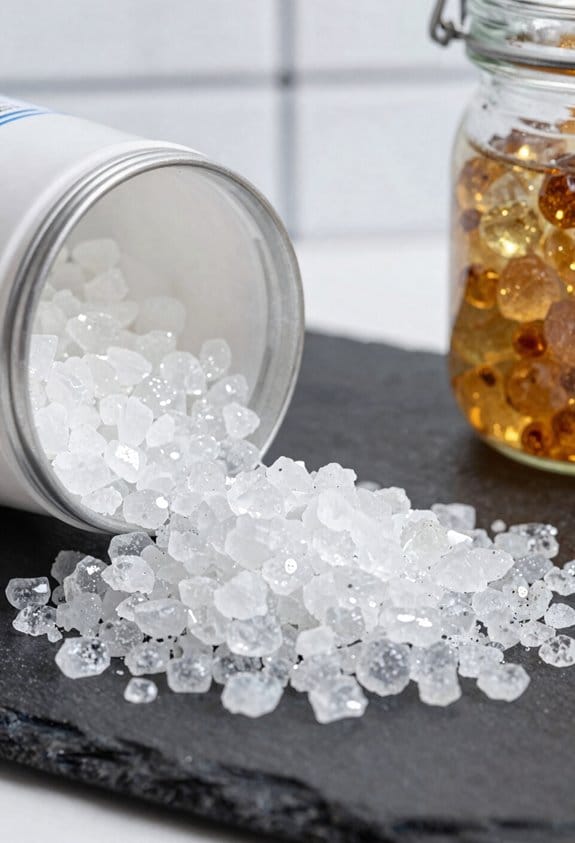
Now that you understand your well water’s unique characteristics and why it needs customized treatment, you’re ready to explore how salt-free systems actually prevent the scale buildup that damages your plumbing and appliances.
Salt-free systems use a process called template assisted crystallization, or TAC, to change how minerals behave in your water. Rather than removing calcium and magnesium, these systems modify their structure through crystal nucleation, which transforms minerals into harmless crystals that won’t stick to surfaces. This surface coating effect prevents minerals from bonding to your pipes, water heater, and dishwasher. The result? Your appliances stay cleaner and last longer without any pressure loss during operation.
Recommended Products

【 DESIGNED FOR 4-6+ BATHROOMS 】This bundle includes our Salt-Free Conditioner, a Fortitude Pro Water Treatment System and a Pleated Sediment Pre-Filter, providing salt-free water for the entire house. Safeguard your plumbing and appliances from scale build-up without the need for electricity or salt.

EASILY WIPE AWAY SCALE: HydroFlow’s advanced technology electronically treats water to prevent minerals from binding to pipes, water heaters, faucets, etc. While it does not prevent the white stuff/scale, the HydroFlow unit prevents the minerals from binding to your pipes and faucets making clean up a simple wipe.

【 SUITABLE FOR 1-3 BATHROOMS 】Ideal for small to medium households, this powerhouse duo of filter and conditioner provides high quality filtered water with a high flow rate of 15 GPM. Experience safe, soft, and odor-free water throughout your entire home.
What These Systems Can’t Protect You From
While salt-free water conditioners excel at preventing scale buildup in your pipes and appliances, they have significant limitations when it comes to protecting your well water’s safety. These systems don’t remove harmful microbial contaminants like bacteria, viruses, or parasites that can cause serious illness. They’re also ineffective at nitrate removal, a common well water problem from agricultural runoff or septic systems. Additionally, salt-free conditioners can’t eliminate arsenic, VOCs, or other dangerous chemicals. They won’t address iron or manganese staining either. If your well water contains any of these contaminants, you’ll need additional filtration or treatment methods beyond what a salt-free system provides alone.
Recommended Products
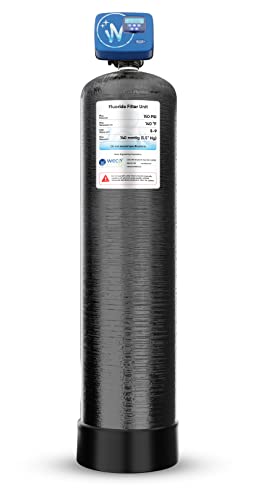
Reduces fluoride from municipal and well water. Heavy-duty components for commercial and residential applications

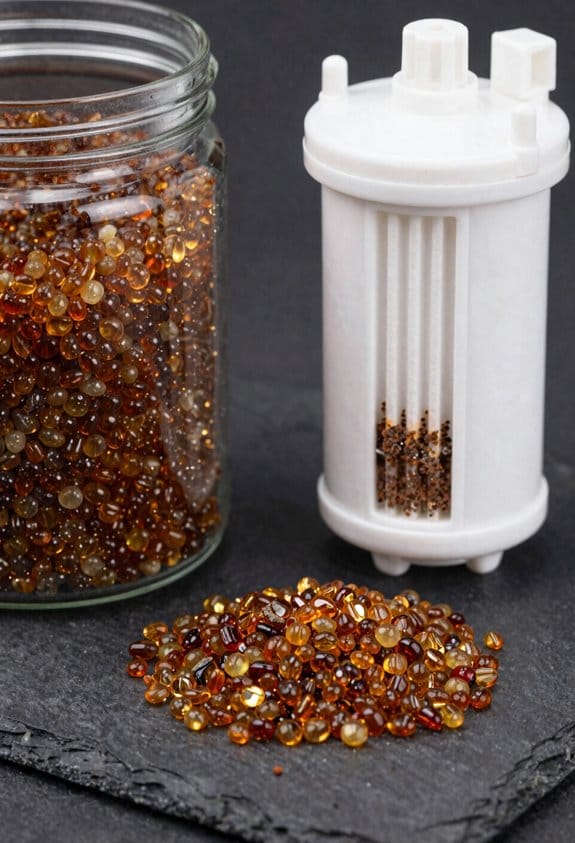
The WECO Backwashing filter with KL/OZ is a specialized Point-Of-Entry (POE) system designed for municipal and well water supplies. Utilizes iron reduction media consisting of manganese dioxide (MnO2) coated onto naturally mined ZEOSORB. Lightweight filtration media with various functions and properties for water treatment and remediation.

MAKE PURE DRINKING WATER FROM AIR The Aqua Vitale A20L atmospheric water generator produces up to 20 liters (5.3 gallons) of fresh drinking water per day directly from ambient air. No plumbing, no water lines, and no bottled water deliveries required.
When You’ll Need Iron or Sulfur Pretreatment
Beyond the contaminant concerns I’ve mentioned, there’s another practical issue you’ll face if your well water contains iron or sulfur: these minerals will actually interfere with how salt-free conditioners work.
Iron bacteria and sulfur chemistry create specific problems. When iron concentrations are high, it can clog the conditioner’s media, reducing effectiveness and requiring frequent maintenance. Sulfur produces that distinctive rotten-egg odor and similarly blocks the system’s ability to function properly.
Here’s what I recommend: if your well water tests positive for iron or sulfur, you’ll need pretreatment systems installed first. These remove the problematic minerals before water reaches your salt-free conditioner, allowing it to work as designed and protecting your investment in water treatment.
Recommended Products

Heavy-duty home filtration system for Iron, Manganese, Hydrogen Sulfide treatment. Can treat up to 5ppm of Iron with the enhanced ozone feature. Contact us with a water analysis if you need help.

Advanced Filtration for Common Contaminants: The iSpring WCFM550K system reliably removes common water concerns like iron, manganese, and hydrogen sulfide. It efficiently eliminates up to 12 ppm of iron, preventing discoloration and metallic taste. With a capacity to remove up to 20 ppm of manganese and hydrogen sulfide, it ensures clear, odor-free water. This advanced filtration system promotes better health and enhances the overall water experience, providing households with high-quality water.
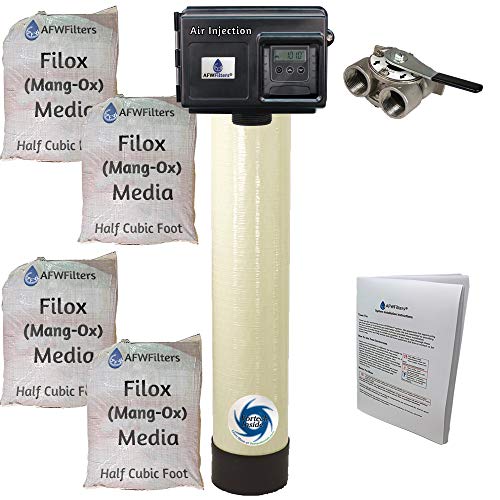
DIY install with supplemental instructions by AFWFilters
Why Maintenance Costs Drop vs. Salt-Based Softeners
When you compare salt-free conditioners to traditional salt-based softeners, you’ll quickly notice that maintenance expenses drop substantially because salt-free systems eliminate the recurring costs that drain your budget over time. Salt-based softeners require constant salt purchases, which accumulate into significant annual expenses. You won’t face these reduced consumables with salt-free models since they need no chemical refills or regeneration cycles. Additionally, salt-free systems operate without electricity, removing power consumption costs entirely. They produce no brine discharge, eliminating wastewater fees that municipalities sometimes charge. The lower maintenance requirements mean fewer service calls and repairs over the system’s lifespan. Because salt-free conditioners function passively through template-assisted crystallization, they simply work without demanding the regular attention that salt-based softeners require.
Is a Salt-Free Conditioner Right for Your Well?
Deciding whether a salt-free conditioner suits your well water requires you to evaluate your specific water conditions and treatment goals, since these systems work best under certain circumstances but fall short in others. Start by conducting water testing to identify your hardness levels, iron content, and any contaminants present. Salt-free systems excel at preventing scale without removing minerals, making them ideal if you want healthy drinking water. However, they’re insufficient if your well contains high iron, sulfur, or bacteria. Consider installation challenges in your home’s plumbing setup. If your water testing reveals moderate hardness and minimal contamination, a salt-free conditioner offers low-maintenance scale prevention. If contaminants exist, you’ll need additional pretreatment or alternative solutions for thorough protection.
Recommended Products
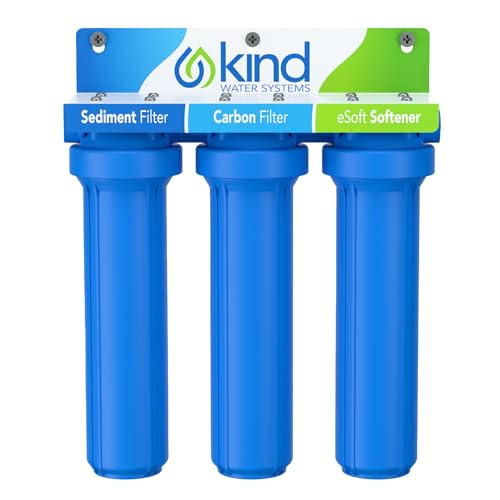
Delivers cleaner, better-tasting water throughout your entire home, improving everyday use from showering and cooking to drinking and cleaning
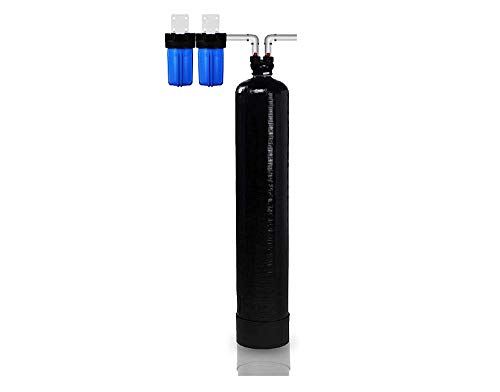
NO lime scale build-up on pipes, fixtures or appliances and can even remove existing scale in some cases! Designed for 3-6 bathrooms homes with 15 gallons/minute flow rate - effectively prevents scale buildup and prolongs lifespan of pipes and home appliances without the use of harsh chemicals or salt.
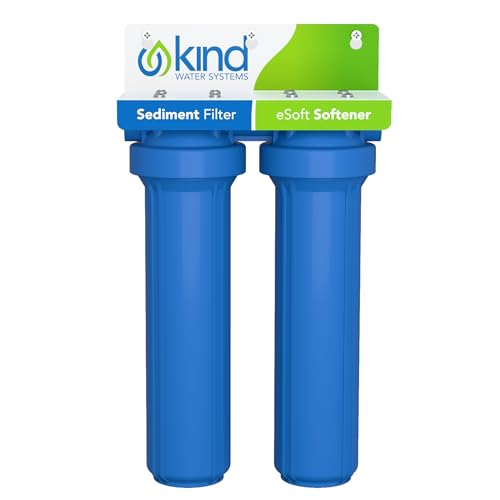
PROTECTS PLUMBING AND APPLIANCES FROM HARD WATER SCALE WITH ZERO WATER WASTE
Frequently Asked Questions
Can Salt-Free Conditioners Be Combined With Other Filtration Systems for Comprehensive Treatment?
I’d combine a salt-free conditioner with sediment pre-filters and carbon post-treatment for peak results. This pre-filter compatibility and post-treatment sequencing approach tackles iron removal first, then scale prevention, finally addressing chlorine and contaminants exhaustively.
Do Salt-Free Systems Work Equally Well for All Hardness Levels in Well Water?
I’ve found that salt-free systems don’t perform equally across all hardness levels. You’ll notice hardness variability markedly impacts effectiveness, with performance thresholds varying based on your well’s mineral concentration and specific water composition.
How Long Do Salt-Free Conditioners Typically Last Before Needing Replacement?
Like a reliable sentinel standing guard, salt-free conditioners typically last 5-10 years. I’d recommend checking lifespan indicators and warranty options your manufacturer provides to determine exact replacement timing for your system.
Will a Salt-Free Conditioner Improve Water Taste or Reduce Odor Problems?
I’ve found that salt-free conditioners can help with taste enhancement and odor reduction, though they’re not specifically designed for these issues. You’ll likely notice improvements if sediment, chlorine, or certain contaminants are present in your well water.
Are Salt-Free Systems Safe to Use With Septic Tank Systems?
Yes, they’re safe. Salt-free systems show superior septic compatibility since they don’t produce brine discharge or drain discharge problems like salt-based softeners do. You’ll avoid septic strain while protecting your system.