
Yes, soft water genuinely improves your hair and skin. Hard water contains minerals like calcium and magnesium that build up on hair strands and clog skin pores, trapping bacteria and blocking moisture absorption. This causes brittle hair, frizz, dryness, and breakouts. Soft water eliminates these minerals, allowing conditioners and moisturizers to penetrate deeper. You’ll notice improvements within two to three weeks. Understanding the specific mechanisms behind these changes reveals why dermatologists increasingly recommend making the switch.
Key Takeaways
- Soft water removes mineral deposits that trap soap residue, allowing hair and skin to absorb moisture more effectively and feel hydrated.
- Hard water minerals coat hair strands, reducing elasticity and causing brittleness, dullness, and frizz that soft water helps restore.
- Mineral buildup blocks skin pores, trapping bacteria and oil; soft water clears these blockages, reducing acne and irritation.
- Most people notice immediate post-wash improvements with soft water; significant hair and skin changes appear within two to three weeks.
- Clinical evidence supports soft water benefits for skin health and hydration; dermatologists recommend it for reducing eczema symptoms.
How Hard Water Damages Your Hair and Skin?
When hard water flows through your pipes, it carries dissolved minerals like calcium and magnesium that can negatively affect both your hair and skin. These minerals create mineral irritation on your scalp and skin surface, causing uncomfortable itchiness and irritation. The soap residue left behind becomes difficult to rinse away completely, which traps bacteria and dirt in your pores, leading to acne breakouts.
On your hair, hard water deposits build up along each strand, creating a film that makes your hair feel dry and brittle. This mineral accumulation causes breakage and split ends, leaving your hair looking dull and frizzy. Your skin experiences similar problems—the soap residue prevents proper moisture absorption, resulting in dry, flaky skin despite using moisturizers. Understanding these effects helps explain why soft water offers a beneficial alternative for healthier skin and hair.
Recommended Products

Cleaner, Healthier Water from Every Tap in Your Home – High-performance water filter system for great-tasting water, improved air quality, healthier hair & skin, and protected pipes & appliances

Delivers cleaner, smoother water throughout your entire home, enhancing everyday moments from showering and cooking to drinking and cleaning

💧 Perfectly designed for 1-2 bathrooms homes, the Aquasure Signature Series is the professional grade Whole House Water system that delivers high quality filtered, ultra-softened water to every outlet throughout your entire home. No need for manual regeneration, backwash, draining, this system automatically regenerates and backwash, making it cost efficient and easy to maintain
Why Mineral Buildup Destroys Hair Elasticity and Causes Breakouts?

The mineral deposits that accumulate on your hair strands don’t just sit there harmlessly—they actively damage your hair’s ability to stretch and bend without breaking. This mineral deposition creates a coating that reduces elasticity, making each strand brittle and prone to snapping. Similarly, on your skin, pore occlusion occurs when minerals block your skin’s natural openings, trapping bacteria and oil underneath. This buildup leads to acne and irritation as your pores can’t breathe properly. The process, called shaft embrittlement, weakens hair from the outside in. Additionally, follicle inflammation develops when mineral residue irritates your scalp, causing dandruff and discomfort. Understanding how these mineral layers damage both your hair and skin helps you recognize why switching to soft water makes such a noticeable difference in your appearance and comfort.
Recommended Products

Mineral Mixture (Calcium Sulfide, Zinc, and Copper): Helps to reduce free chlorine, and remove hydrogen sulfide (rotten egg smell), iron oxide (rust water), dirt, sediment, and odors.

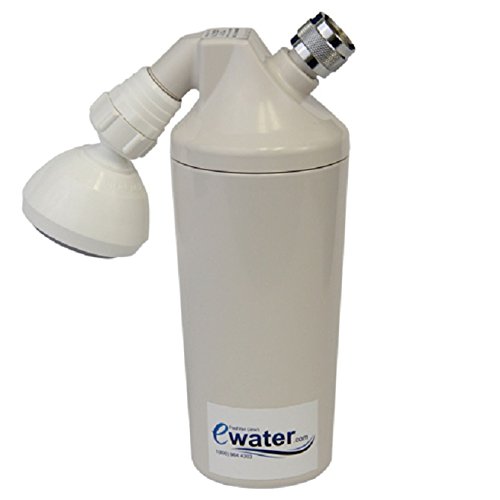
Bundle includes – High Pressure 3-Spray Handheld Shower Head Set (3F-HHS-BN-2.5) Shower Head Filter (HOC-INL-BN)
Hard Water vs. Soft Water: Key Differences?

Understanding the distinction between hard and soft water requires examining what makes each type unique at a chemical level. Hard water contains high mineral content, primarily calcium and magnesium ions, which create scale buildup on your skin and hair. When you wash with hard water, these minerals don’t rinse away completely, leaving residue that accumulates over time. Soft water, conversely, has undergone treatment to remove these minerals, allowing it to dissolve soap more effectively. The key difference lies in how each type interacts with your body. Hard water’s mineral content interferes with lather and leaves deposits, while soft water penetrates your hair shaft and skin more thoroughly. This fundamental distinction directly impacts your appearance and overall comfort during daily hygiene routines.
Recommended Products

Best filtered shower head - Filter and remove harmful toxic chemicals and minerals, leaving your hair, scalp, and skin soft and clean. The Eskiin large rainfall showerhead is a high quality mineral purifier that will quickly become one of your favorite bathroom accessories.

Rainfall 9 inch shower head angle adjustable and height adjustable handheld three spray setting ,Use rain shower head and multi-function handheld shower spa at home

SINGLE-FUNCTION SHOWERHEAD: Single function fixed showerhead with 5-1/2" (140 mm) diameter sprayface. 2.5 gpm (9.5 lpm) maximum flow rate at 45 psi (3.1 bar)
How Soft Water Restores Hydration and Clarity?

Because soft water lacks the mineral deposits that hard water leaves behind, your skin and hair can finally absorb and retain moisture more effectively. This hydration mechanism works by allowing water to penetrate deeper into hair shafts and skin layers without interference from calcium and magnesium buildup. When minerals don’t block your pores, your skin maintains its natural moisture barrier, preventing excessive dryness. Your hair similarly benefits, as soft water enables conditioners to work properly, restoring elasticity and shine. The clarity restoration happens gradually as mineral film dissolves from previous hard water exposure. You’ll notice your skin appearing clearer, less irritated, and your hair becoming noticeably softer and more manageable within weeks of consistent soft water use.
Recommended Products

3-IN-1 TREATMENT SYSTEM – Combines ion exchange softening, catalytic carbon filtration, and sediment pre-stage to address hardness, chloramines, and particulates, supporting consistent performance across fixtures, appliances, and daily residential use

HEIGHT ADJUSTABLE SHOWER HEAD SOLID BRASS SHOWER COLUMN: Made column itself is made of sturdy solid brass and finished in an elegant Brushed Nickel, once this column is installed, it will complement any bathroom design. You won't have to modify your current in-wall plumbing to do your installation

Filter Shower Head Built in Solid Metal — Crafted from 304 stainless steel and lead-free brass, this premium filtered shower head uses a proven internal water filter to deliver cleaner water that supports healthier skin and stronger-feeling hair.
The Science: Why Dermatologists Recommend Soft Water?

When you understand how water interacts with your skin’s protective barrier, you’ll see why dermatologists consistently recommend soft water for better health outcomes. Dermatologist insights reveal that hard water minerals disrupt your skin’s natural pH balance, compromising barrier function and causing irritation. Soft water works through ion exchange, a process replacing harmful minerals with sodium ions that won’t damage your skin. Clinical studies, including the SOFTEN trial, demonstrate that soft water reduces eczema symptoms and improves overall skin health. Your skin’s barrier maintains moisture more effectively without mineral buildup interfering with its protective role. This scientific understanding explains why dermatologists advocate soft water solutions for patients experiencing chronic dryness, sensitivity, or inflammatory skin conditions.
Debunking 5 Water Softener Myths?
Many people hold misconceptions about water softeners that prevent them from experiencing the skin and hair benefits that dermatologists recommend. One common myth debunking concern involves softener costs, which many believe are prohibitively expensive. In reality, water softeners reduce soap and shampoo usage substantially, offsetting initial investment through savings. Another misconception suggests soft water leaves a slimy feeling on skin, when it actually allows complete rinsing without mineral residue. Some worry that softened water lacks essential minerals, though your diet provides adequate mineral intake. Others fear softeners add chemicals to water, but modern systems use ion exchange technology without additives. Finally, people mistakenly think water softening isn’t necessary unless they notice hard water spots. However, mineral buildup affects skin and hair health even when invisible, making softeners beneficial for most households.
When You’ll See Results: Hair and Skin Timeline?
After understanding that water softeners address invisible mineral damage to your skin and hair, you’ll naturally want to know how long you’ll wait before noticing improvements.
Most people experience gradual improvements within two to three weeks of using soft water consistently. Your skin typically shows the post wash glow first, as the complete rinse removes mineral residue immediately. Hair changes take longer because damaged strands need time to grow out, though you’ll notice reduced frizz and improved manageability sooner.
For those with eczema or severe scalp irritation, relief may appear within days. However, achieving maximum benefits requires patience, as your body’s natural oils rebuild their protective barrier. Results accelerate when you combine soft water with quality hair and skin products, since these work more effectively without mineral interference.
Is a Water Softener Worth the Investment?
Because water softeners require an upfront cost and ongoing maintenance, you’ll want to weigh whether the benefits justify the expense for your specific situation. Installation hassles vary depending on your home’s plumbing setup, but professional installation typically ranges from $1,000 to $2,500. However, you’ll gain significant cost savings through reduced soap and shampoo usage since soft water lathers more efficiently. You’ll also spend less replacing damaged hair and skin products that become ineffective with hard water. Monthly maintenance costs remain minimal, usually $10 to $25 for salt replenishment. If you’re experiencing persistent skin irritation or hair problems, the investment often pays for itself within two to three years through improved health outcomes and product savings.
Recommended Products

The WECO Backwashing filter with KL/OZ is a specialized Point-Of-Entry (POE) system designed for municipal and well water supplies. Utilizes iron reduction media consisting of manganese dioxide (MnO2) coated onto naturally mined ZEOSORB. Lightweight filtration media with various functions and properties for water treatment and remediation.

High removal capacity of iron, manganese, hydrogen sulfide. Removes suspended solids and turbidity.

✅𝗘𝗙𝗙𝗜𝗖𝗜𝗘𝗡𝗧 𝗪𝗔𝗧𝗘𝗥 𝗦𝗢𝗙𝗧𝗘𝗡𝗜𝗡𝗚: Our WECO UXC-1665 water softener system is designed to prevent mineral scale buildup on sinks, faucets, shower doors, and plumbing fixtures. This compact water softener reduces the need for frequent scrubbing and cleaning, making maintenance easier for residential and commercial spaces.
Frequently Asked Questions
Can Soft Water Help Reduce Color Fading in Dyed or Chemically Treated Hair?
Yes, I’ve found soft water markedly helps with color retention in dyed hair. It protects your pigment longevity by eliminating mineral buildup that causes premature fading, keeping your color vibrant longer than hard water does.
How Does Soft Water Improve the Effectiveness of Expensive Skincare and Hair Products?
I’ve found that soft water increases product absorption by up to 30%. When I use soft water, I experience enhanced absorption of my skincare and hair treatments since there’s zero mineral buildup blocking them from penetrating effectively.
What Specific Water Hardness Levels Cause the Most Noticeable Skin and Hair Problems?
I’ve found that high hardness levels cause the most noticeable problems—you’ll experience significant dryness, irritation, and breakage. Moderate hardness still affects you, but high hardness creates the most dramatic skin and hair issues you’ll notice immediately.
Are There Natural or Alternative Methods to Soften Water Besides Installing a Softener System?
I’d recommend trying citric acid rinses or rainwater harvesting as natural alternatives. Citric acid helps dissolve mineral buildup, while collected rainwater’s naturally soft composition gives your hair and skin noticeable improvement without installing expensive systems.
Can Switching to Soft Water Help With Existing Scalp Conditions Like Psoriasis or Seborrheic Dermatitis?
I’d say soft water can genuinely help. It reduces scalp inflammation by eliminating mineral buildup that irritates your skin. By preventing excessive drying, it supports your barrier repair, helping your scalp recover and manage psoriasis or seborrheic dermatitis symptoms better.