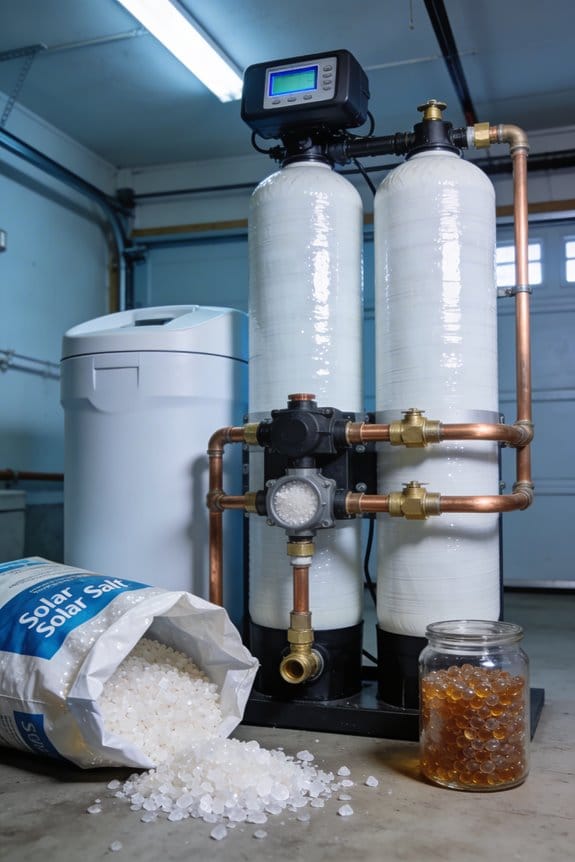

Hard water’s safe to drink—the EPA, WHO, and National Research Council all confirm it. The minerals calcium and magnesium in hard water actually protect your heart; studies show 40% lower cardiovascular disease rates in hard water areas. You’ll absorb these minerals efficiently, getting roughly 12% of your daily magnesium from two liters daily. Common concerns about kidney stones and eczema? Research debunks both myths. Whether you filter depends on appliance maintenance and taste preference, not health. The full picture reveals surprising benefits worth exploring.
Key Takeaways
- Major health authorities including the EPA, WHO, and National Research Council confirm hard water is safe for drinking and cooking.
- Hard water minerals like magnesium and calcium provide cardiovascular benefits, with studies showing 40% lower heart disease mortality in hard water areas.
- Two liters of hard water daily supplies approximately 52 mg of magnesium, contributing about 12% of recommended daily intake.
- Research debunks common myths, finding no significant correlation between hard water consumption and kidney stone formation or eczema development.
- Water filtering is unnecessary for health but recommended to prevent mineral buildup in appliances and address aesthetic taste preferences.
Hard Water Is Safe, According to Health Authorities
Since hard water‘s safety has been a concern for many people, I want to clarify what major health organizations actually say about it. The National Research Council confirms that hard water consumption presents no health risk, which provides important public reassurance for households relying on hard water sources. The EPA takes a similar regulatory stance, offering no specific drinking water standards for hard water because they consider it safe for both drinking and cooking. The World Health Organization even recommends drinking-water hardness levels between 50 and 500 mg/L CaCO₃. These authoritative organizations have thoroughly evaluated hard water’s composition and concluded it poses no danger to your health, though you might notice aesthetic issues like bitter taste or mineral buildup on fixtures.
How Does Hard Water Protect Your Heart?

Although hard water often gets criticized for leaving mineral deposits around your home, the minerals it contains—particularly calcium and magnesium—actually offer significant protection for your heart. Research shows that people living in hard water areas have 40% lower cardiovascular disease mortality rates compared to soft water areas. Magnesium works through magnesium mechanisms that strengthen your heart’s function and improve endothelial function, which is the inner lining of your blood vessels. When you drink two liters of hard water daily, you’re getting approximately 52 mg of magnesium, contributing about 12% of your recommended daily intake. Studies from Finland, Sweden, and South Africa consistently document inverse correlations between water hardness and ischemic heart disease mortality, suggesting that these minerals provide real cardiovascular benefits.
What Calcium and Magnesium From Water Actually Contribute to Your Diet

While hard water‘s mineral content might seem modest compared to other dietary sources, the calcium and magnesium dissolved in your drinking water actually play a meaningful role in your overall mineral intake. When you consume two liters of hard water daily, you’re ingesting approximately 52 milligrams of magnesium, which represents about 12 percent of your recommended daily intake. The dietary bioavailability of these minerals is high, meaning your body absorbs them efficiently. Seasonal variability in water hardness can affect your total mineral contribution throughout the year. Additionally, cooking vegetables in hard water increases their calcium concentration, further boosting your mineral intake. For people with type 2 diabetes experiencing low magnesium levels, this natural supplementation proves particularly beneficial.
The Kidney Stone and Eczema Myths: What the Research Really Shows
Despite the persistent concerns you’ve probably heard about hard water causing kidney stones and worsening eczema, the scientific evidence tells a different story. Research shows no significant correlation between hard water consumption and kidney stone formation, despite historical beliefs suggesting otherwise. Kidney stones result from genetic predisposition and other metabolic factors rather than mineral content in drinking water. Similarly, eczema studies contradict the hard water myth. A 2011 University of Nottingham study found minimal differences between people using softened water (20% improvement) and hard water (22% improvement), suggesting water hardness doesn’t worsen eczema symptoms. Childhood prevalence of both conditions stems from genetic factors, not water mineral levels. These myths persist despite evidence showing hard water poses no connection to either condition.
Why Scientists Still Can’t Confirm All the Benefits

As promising as the research on hard water’s health benefits sounds, scientists face significant challenges when trying to confirm these advantages with certainty. Most studies examining water hardness use an ecological study design, meaning researchers compare entire populations rather than tracking individuals. This approach makes it difficult to isolate hard water’s effects from confounding variables like diet, exercise, and genetics. Additionally, researchers measure different aspects of water hardness across studies, making comparisons problematic. Small geographical area studies often fail to find clear associations between water hardness and cardiovascular outcomes. The World Health Organization recognizes these limitations and is coordinating worldwide efforts to gather more definitive evidence before drawing firm conclusions about hard water’s protective benefits.
Who Should Consider Filtering Hard Water?
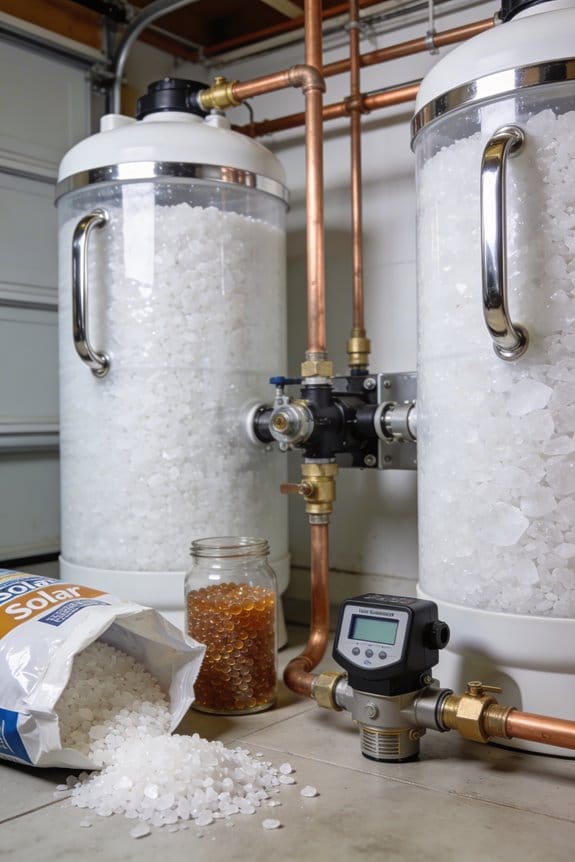
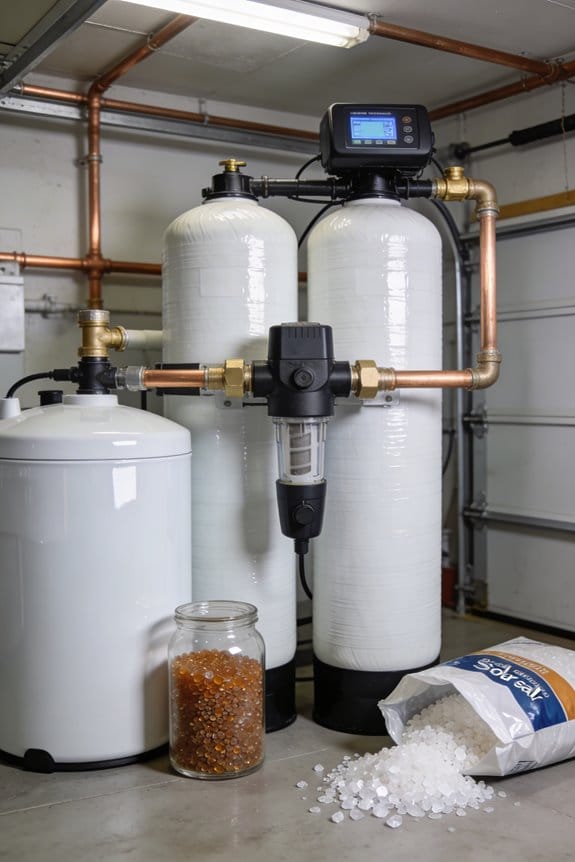
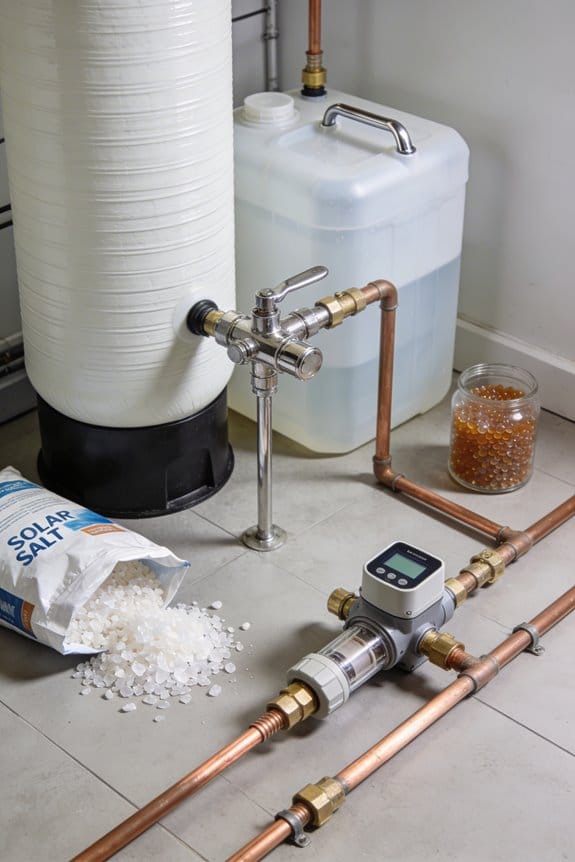
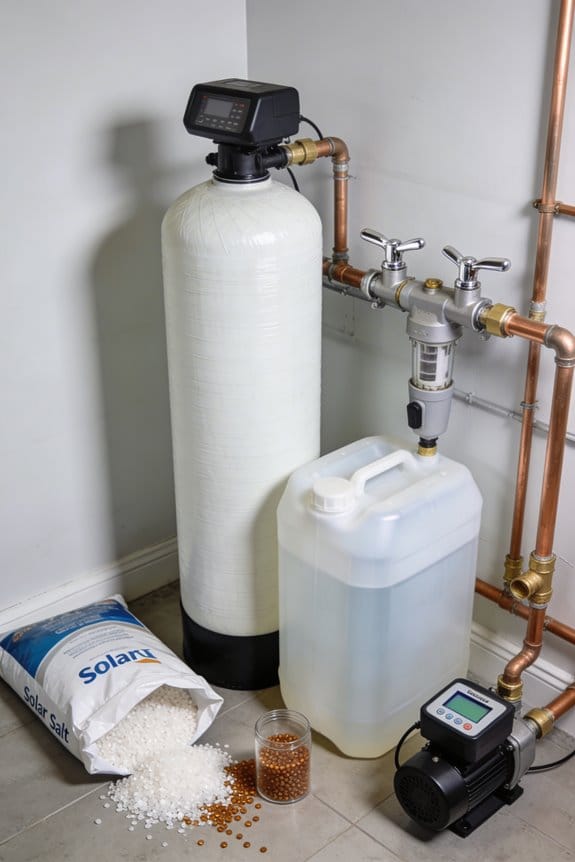
Should you filter your hard water, or is it safe to leave as-is? Since hard water poses no health risk, filtering isn’t medically necessary for most people. However, certain situations warrant consideration. If you live in homes with appliances like dishwashers or washing machines, filtering reduces mineral buildup that can damage equipment and decrease efficiency. People with sensitive palates might prefer filtered water’s taste, since hard water can taste slightly bitter from dissolved minerals. Additionally, if you’re concerned about aesthetic issues like spotty glassware or reduced soap effectiveness, filtration addresses these nuisance problems. Ultimately, filtering hard water depends on your personal preferences and appliance maintenance rather than health requirements.
Frequently Asked Questions
Does Hard Water Taste Different Than Soft Water, and Why?
Yes, hard water has a conspicuously different, distinctly denser taste. I’d describe it as subtly salty or slightly bitter. Your mineral perception adapts over time, though—sensory adaptation means you’ll eventually stop noticing it.
Can Cooking With Hard Water Affect the Nutritional Content of Food?
Yes, I’ve found that cooking with hard water actually increases mineral content in your food. Vegetables absorb more calcium when cooked in hard water, though you won’t notice significant flavor alteration from this mineral leaching.
Is Softened Water Safer to Drink Than Hard Water?
No, I’d argue softened water’s “safety” advantage doesn’t exist. Hard water offers mineral balance—calcium and magnesium—while softened water’s elevated sodium presents greater dietary concerns than hard water’s minerals ever could.
How Does Hard Water Affect Plumbing and Household Appliances?
Hard water causes scale buildup in pipes and appliances, reducing efficiency and lifespan. While it doesn’t directly cause pipe corrosion, the mineral deposits can trap moisture, promoting rust in vulnerable areas over time.
Does Magnesium in Hard Water Help With Digestive Issues Like Constipation?
Yes, I’ll tell you: people drinking hard water ingest roughly 52mg daily magnesium—that’s 12% of recommended intake. The magnesium acts as an osmotic laxative, so magnesium supplementation through hard water naturally helps your constipation.