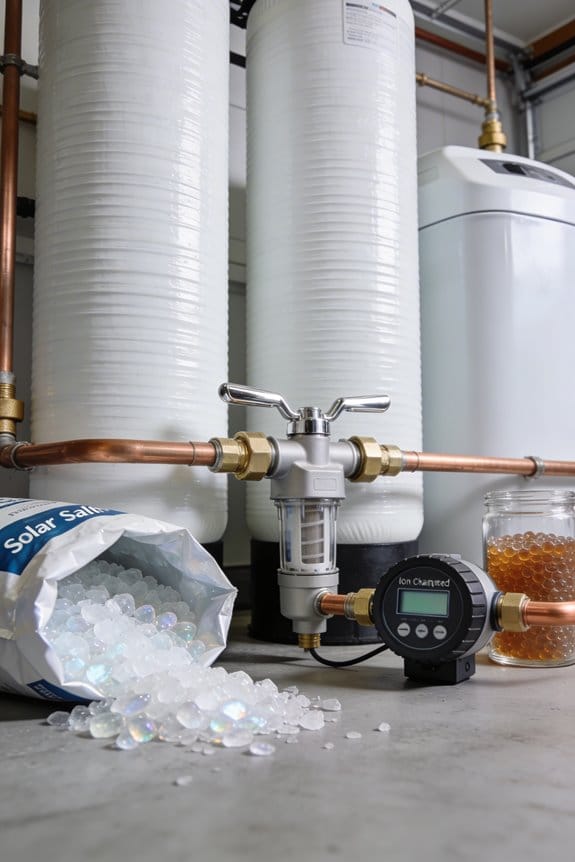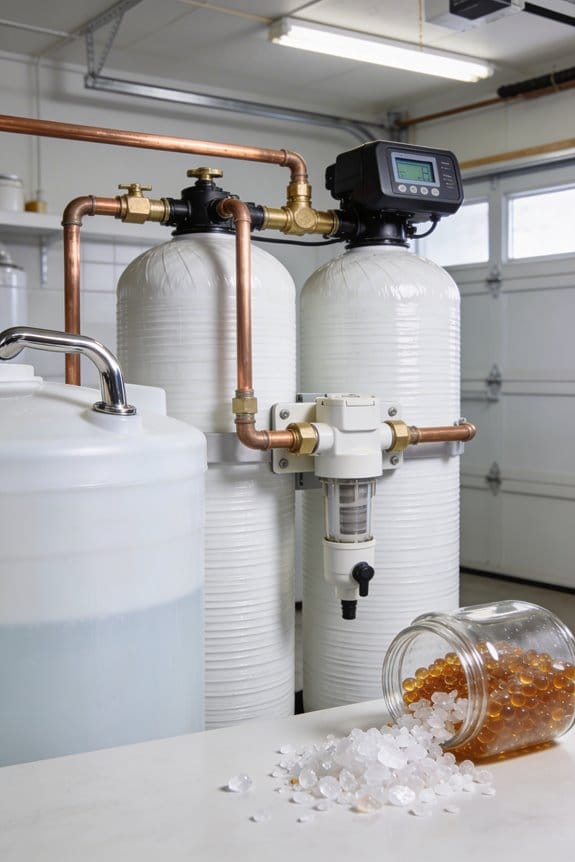
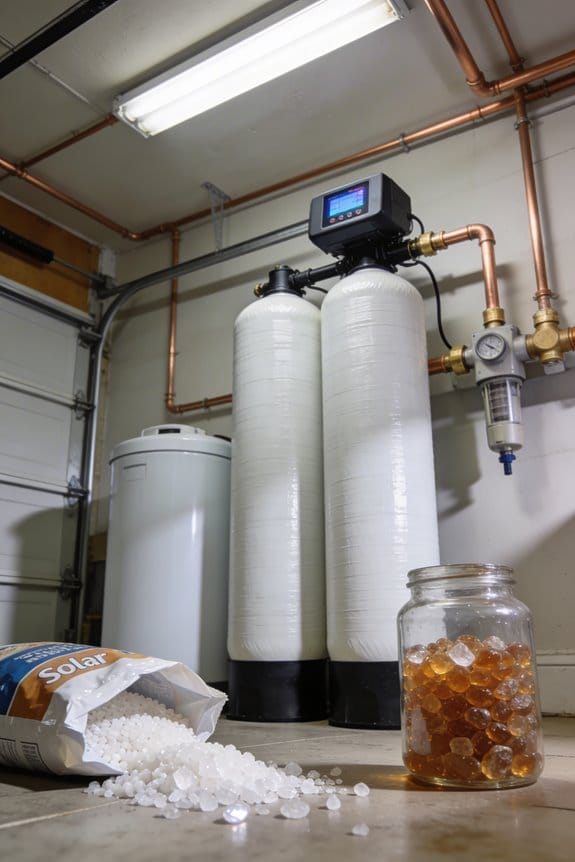

A resin cleaner is a chemical solution that removes iron, aluminum, and mineral deposits coating your softener’s resin beads, which prevents them from exchanging hardness minerals effectively. Over time, these contaminants build up and restrict water flow, causing hard water to return despite recent regeneration cycles. When you apply resin cleaner through a manual regeneration process, it breaks down stubborn deposits and restores your resin’s ion exchange capacity. You’ll notice softer water, better lathering, and spotless dishes within days. Understanding the right cleaner type and proper application technique guarantees you’ll maximize your softener’s performance.
Key Takeaways
- Resin cleaner removes iron, aluminum, and mineral deposits that accumulate on softener beads and reduce ion exchange capacity.
- It restores softener performance by breaking down contaminant coatings and clearing pores, allowing effective hardness removal to resume.
- Regular cleaning every three to four months prevents flow restrictions, brown water discharge, and hard water leakage issues.
- Apply approximately 4 ounces of cleaner per cubic foot of resin mixed with brine, then run a regeneration cycle.
- Results appear within days: softer water, better lathering, spotless dishes, and extended appliance longevity from reduced scale buildup.
What Is Resin Cleaner and Why You Need It
Over time, your water softener’s resin beads—the tiny materials that remove hardness minerals like calcium and magnesium from your water—can get clogged up with iron, aluminum, and other contaminants that build up during normal use. This buildup causes resin degradation, reducing your softener’s effectiveness. Resin cleaner uses specialized cleaning chemistry to break down these stubborn deposits and restore your system’s performance. The liquid formula penetrates fouled resin beds, reversing damage from mineral accumulation and preventing polymer swelling that restricts water flow. By maintaining brine compatibility and removing contaminants through chemical action, resin cleaner keeps your beads functioning properly. Regular cleaning every three to four months prevents performance loss and extends your softener’s lifespan greatly.
Recommended Products

COMPLETE PACKAGE - Complete package that includes a whole house Water Softener w/ UPGRADED Purolite C100E US made resin & Upflow Carbon Filtration System. Our package also includes an installation manual and technical support. Silicone lubricant and hardness test strips for the PERFECT install!
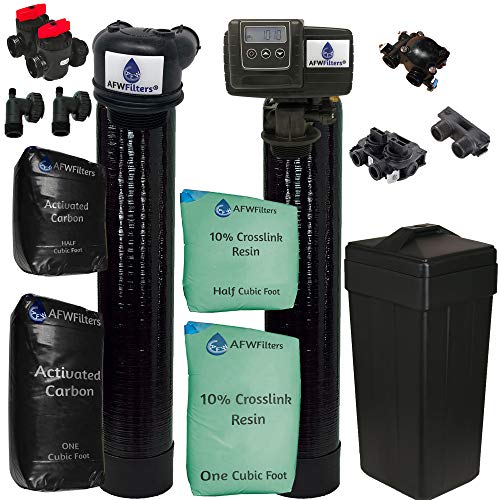
COMPLETE PACKAGE - Complete package that includes a whole house Water Softener w/ UPGRADED 10% resin & Upflow Carbon Filtration System. Our package also includes an installation manual and technical support. AFW Filters water bottle included with system. Water bottle has sanitizer pack, silicone lubricant, and hardness test strips for the PERFECT install!

Powerful Softening: This water softener system reduces over 90% of calcium and magnesium ions from hard water, effectively reducing scale buildup. The 2.12cu. ft. resin can treat up to 64,000 grains of hardness, ideal for small to mid-size households
Warning Signs Your Softener Resin Needs Cleaning Now
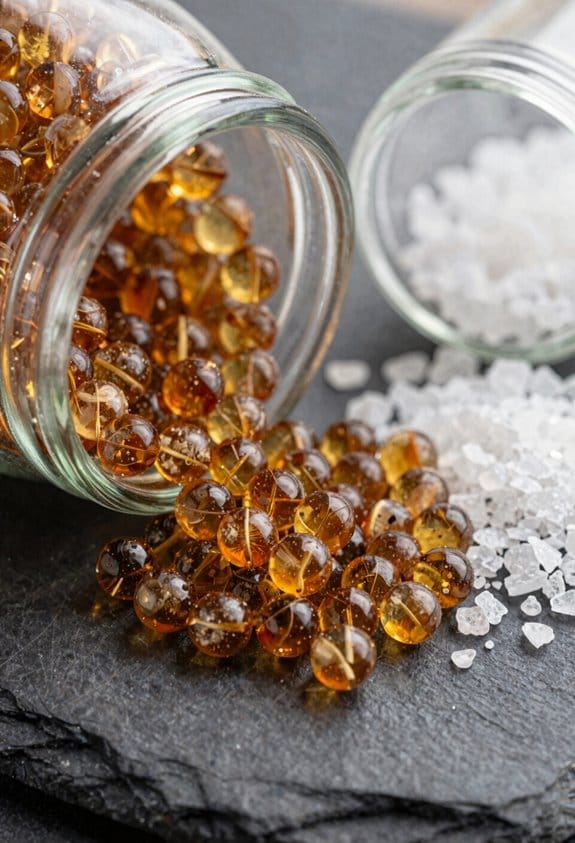
Your water softener will start showing specific symptoms when its resin beads need cleaning, and I’d encourage you to pay attention to these warning signs before your system’s performance drops markedly. A sudden pressure drop indicates buildup restricting water flow through the resin bed. You might notice brown discharge in your water, which signals iron and mineral contamination accumulating on the beads. Hard water returning to your taps despite recent regeneration suggests fouled resin can’t capture hardness minerals effectively. Reduced water pressure, unusual odors, or spotty dishes also point to resin degradation. When you observe these indicators, scheduling a cleaning prevents further damage. Regular maintenance every three to four months helps you avoid these problems entirely, keeping your system operating at peak efficiency.
Recommended Products

💧【 PERFECTLY DESIGNED FOR 4 OR MORE BATHROOMS 】The Aquasure Harmony Series is the professional grade water softener that delivers ultra-softened water to every outlet throughout your entire home.

High-quality mineral tank for water softener and filter applications, made of durable polyurethane material that resists corrosion and leakage
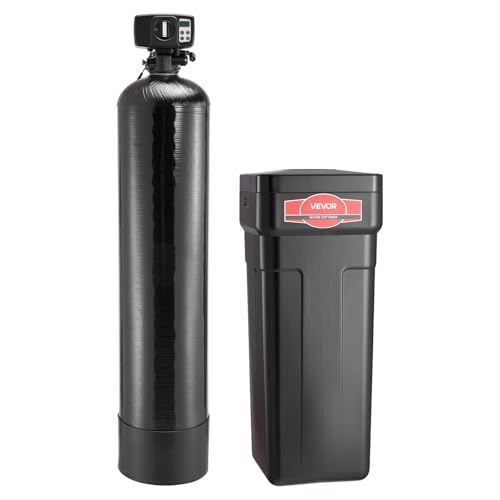
Powerful Softening: This water softener system reduces over 90% of calcium and magnesium ions from hard water, effectively reducing scale buildup. The 1.59cu. ft. resin can treat up to 48,000 grains of hardness, ideal for small to mid-size households
How Water Softener Resin Gets Damaged by Iron and Minerals
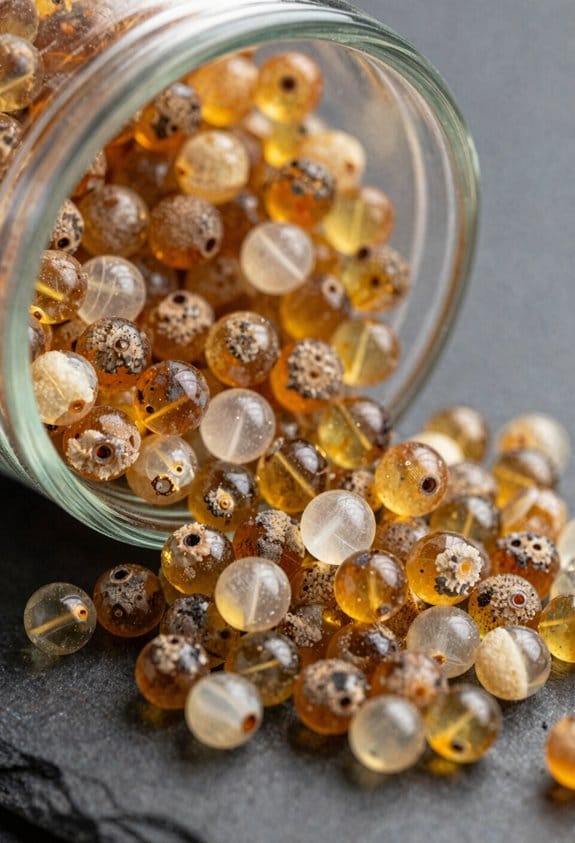
When hard water passes through your softener’s resin bed, minerals like calcium and magnesium naturally bind to the resin beads during the ion exchange process, but iron and other contaminants can accumulate in ways that permanently damage the resin’s ability to function. Iron oxidation occurs when ferrous iron converts to ferric iron, creating a stubborn coating on bead surfaces that blocks mineral capture. Mineral abrasion from repeated cycling gradually wears down resin beads, reducing their effectiveness over time. Aluminum and sediment particles also lodge within the resin bed’s pores, creating blockages that prevent proper water flow and ion exchange. These accumulations combine to reduce your softener’s capacity, causing hardness to leak into your water supply and diminishing overall performance markedly.
Recommended Products

Complete System - 9"x48" resin tank, Riser tube with distributor basket, Fleck 5600SXT Digital Control Head, 1 cubic foot Filter-Ag, Gravel Bed, Bypass connection

HYDROPOWER ULTRA SMALL TANK: Use pure deionized water for professional, streak-free window cleaning. This state-of-the-art filter removes all minerals from tap water by deionization, leaving pure water that does not leave limescale traces on surfaces

For HydroPower Ultra Filter L and LC
Picking a Resin Cleaner That Matches Your Water

Because water composition varies markedly depending on your location and source, selecting the right resin cleaner requires understanding what contaminants are actually fouling your softener. I’d recommend testing your water first to identify iron speciation, whether you’re dealing with ferrous or ferric iron, since different forms require different treatment approaches. Water hardness levels also matter; heavily mineralized water needs more aggressive cleaning cycles. pH adjustment capabilities in your chosen cleaner become essential when you’re treating acidic or alkaline groundwater. Additionally, verify resin compatibility with your specific resin type—whether it’s gel or macroporous resin affects which cleaners work best. By matching your cleaner to your actual water chemistry, you’ll maximize performance restoration and prevent unnecessary damage to your system.
Recommended Products
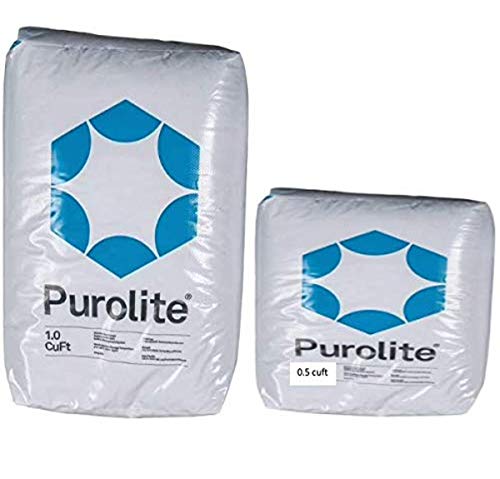
1.5 cuft of Purolite C100E resin (for 48k systems)
How to Use Resin Cleaner on Your Softener
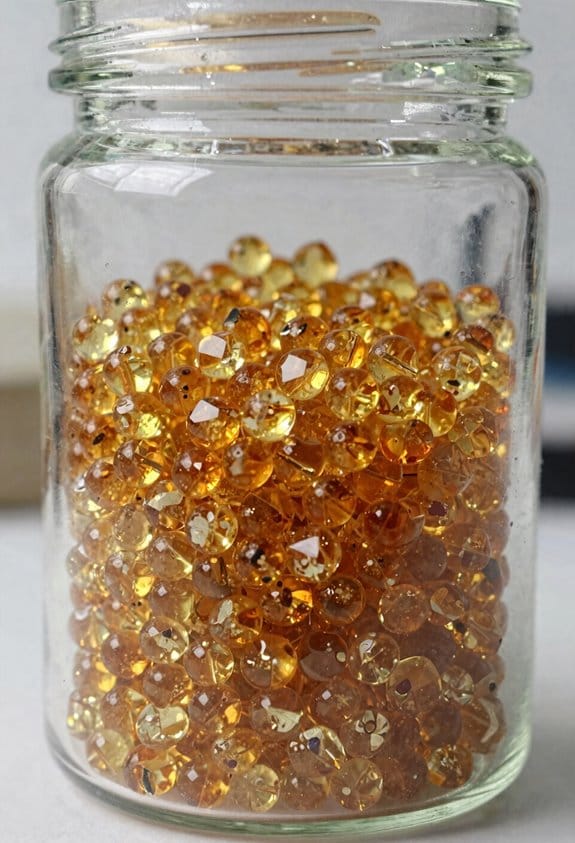
Once you’ve identified your water’s specific contaminants and selected an appropriate resin cleaner, the application process itself is straightforward but requires careful attention to detail. Start with manual dosing by pouring approximately 4 ounces of cleaner per cubic foot of resin into your softener’s brine well. Next, prepare the brine solution by allowing the cleaner to mix thoroughly with existing brine water. Initiate either a manual or automatic regeneration cycle, which circulates the cleaning solution through your resin bed. This contact time guarantees uniform exposure to contaminants like iron and calcium buildup. After the cycle completes, flush the system with cold soft water to remove residual cleaner and loosened particles, restoring your softener’s peak performance.
Results You’ll See After Cleaning Your Resin Bed
How quickly will your water softener perform better after cleaning? You’ll notice results within days of running your first regeneration cycle. Your water will feel noticeably softer, with improved lathering when you wash your hands or shower. Dishes will dry spotless without mineral deposits, and your laundry will feel smoother. Beyond immediate improvements, you’re investing in appliance longevity. Water heaters, dishwashers, and washing machines work more efficiently without scale buildup, extending their operational lifespan. If your softener’s been struggling with iron or mineral fouling, cleaning restores its ion exchange capacity, meaning it captures hardness minerals effectively again. Regular maintenance every three to four months prevents these problems from returning, keeping your system performing at peak efficiency.
How Often to Use Resin Cleaner for Peak Performance
While those immediate improvements show you what cleaning accomplishes, the real question becomes how often you should repeat the process to keep your softener working at its best. I’d recommend routine maintenance every three to four months for most households. However, your specific needs depend on water quality and usage patterns. If you notice odor, taste changes, or discoloration returning, don’t wait—clean your resin bed sooner. Seasonal flushing during high-usage periods, like winter when heating systems strain your softener, helps maintain consistent performance. Regular cleanings prevent buildup from accumulating, which protects your resin’s ion exchange capacity and extends your equipment’s lifespan markedly. Staying proactive with maintenance keeps your softener operating efficiently year-round.
Common Mistakes That Reduce Resin Cleaner Effectiveness
Even with the best resin cleaner product available, you can still see disappointing results if you’re not applying it correctly. Improper dosing is one of the most common mistakes I see homeowners make. Using too little cleaner won’t remove stubborn buildup, while using too much wastes product and money. Another critical error is insufficient contact time between the cleaner and resin beads. You need to allow the chemical enough time to break down contaminants like iron and calcium. Rushing through the cleaning process prevents the solution from reaching all fouled areas. Additionally, skipping the manual regeneration cycle after adding cleaner reduces effectiveness. Finally, failing to flush with cold soft water afterward leaves residues that compromise performance. Following dosage instructions carefully guarantees your resin cleaner delivers maximum results.
Frequently Asked Questions
Can Resin Cleaner Remove Oil Fouling, and What Causes Oil Buildup on Resin Beads?
I’ll tell you that yes, resin cleaner removes oil fouling through non-ionic surfactants. Oil buildup’s fouling causes stem from contaminated water sources and industrial pollutants that coat your resin beads, reducing their ion-exchange capacity markedly.
Are There Safety Differences Between Phosphoric Acid and Solvent-Based Resin Cleaners?
I’ll level with you—phosphoric acid cleaners are safer than solvent-based alternatives. They’ve got lower fire risks and reduced VOC emissions, making acid safety simpler. Solvent handling requires more precautions due to flammability and invisible residues.
What Materials Are Safe for Resin Cleaner Contact Inside Water Softener Tanks?
I’d recommend using resin cleaner with plastic liners and rubber gaskets made from PE, PP, PTFE, or short-term butyl rubber. These materials won’t degrade when exposed to phosphoric acid-based cleaners, ensuring your tank stays protected.
How Does 10% Crosslinked Resin Compare to Standard Resin After Cleaning?
I’ve seen 10% crosslinked resin outlast standard resin like a marathon runner versus a sprinter—it maintains 50% longer life and 10% higher capacity. You’ll notice superior long-term stability and regeneration efficiency after cleaning.
Will Resin Cleaner Eliminate Odors, Tastes, or Discoloration in Soft Water?
I’ll help you eliminate odors and taste issues by using resin cleaner to flush contaminants from your softener. When you pour it into the brine well and run a regeneration cycle, you’re removing the buildup causing those problems. Repeat if needed for complete odor removal and taste masking restoration.