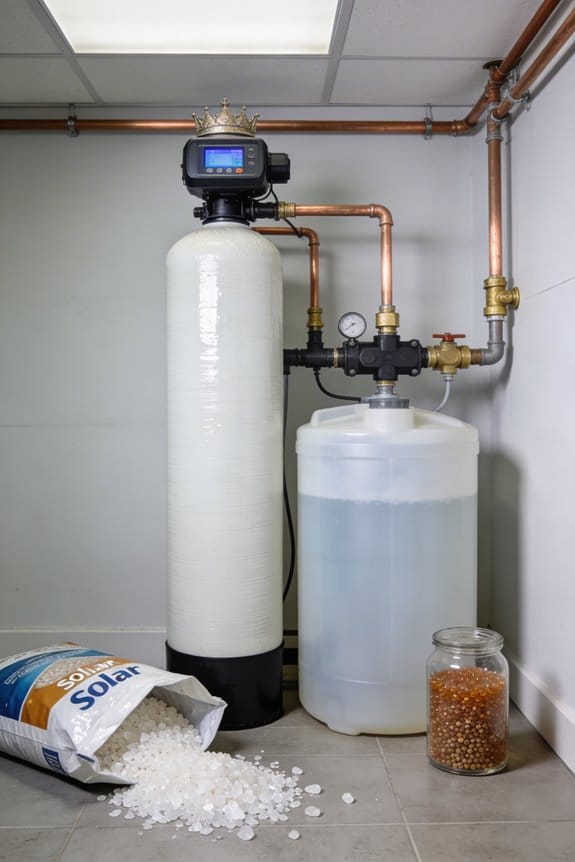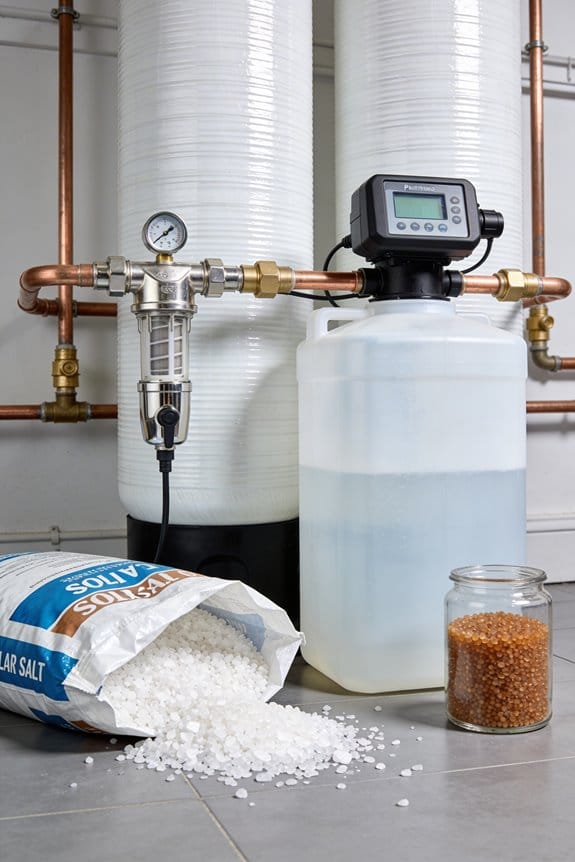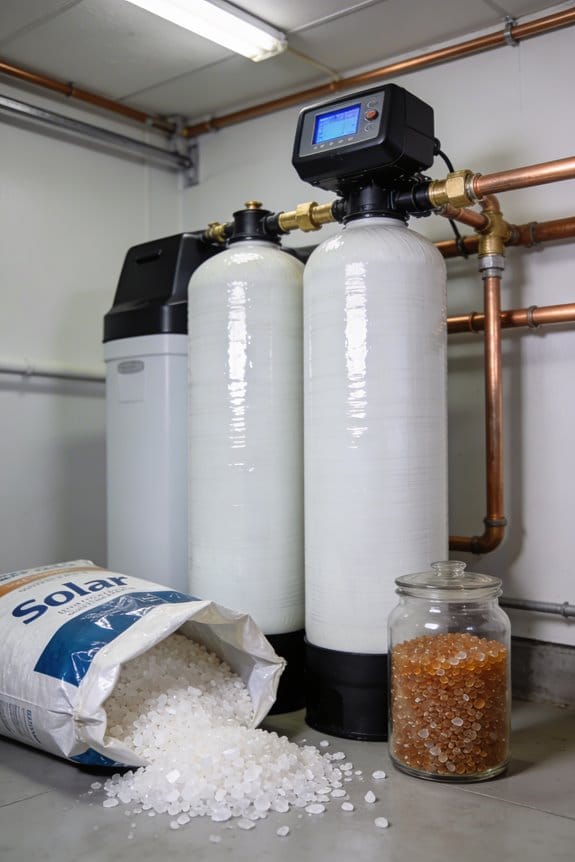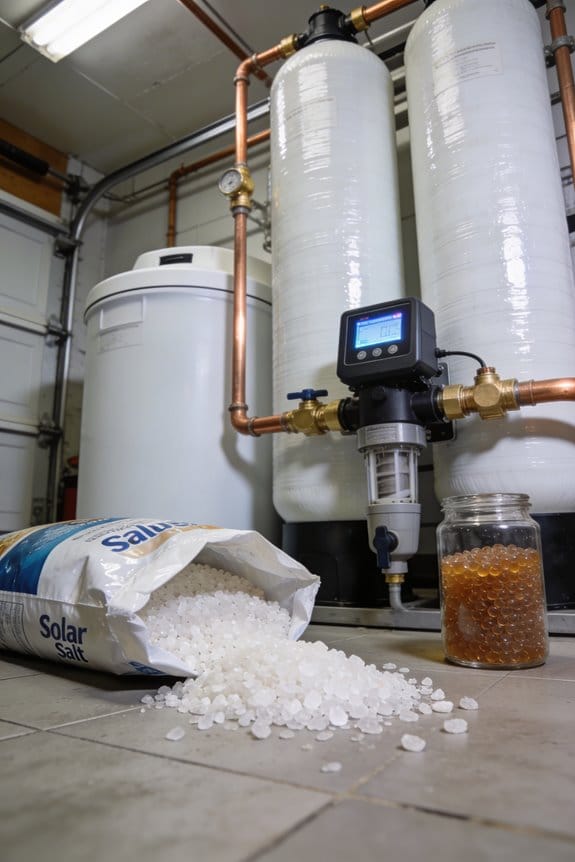
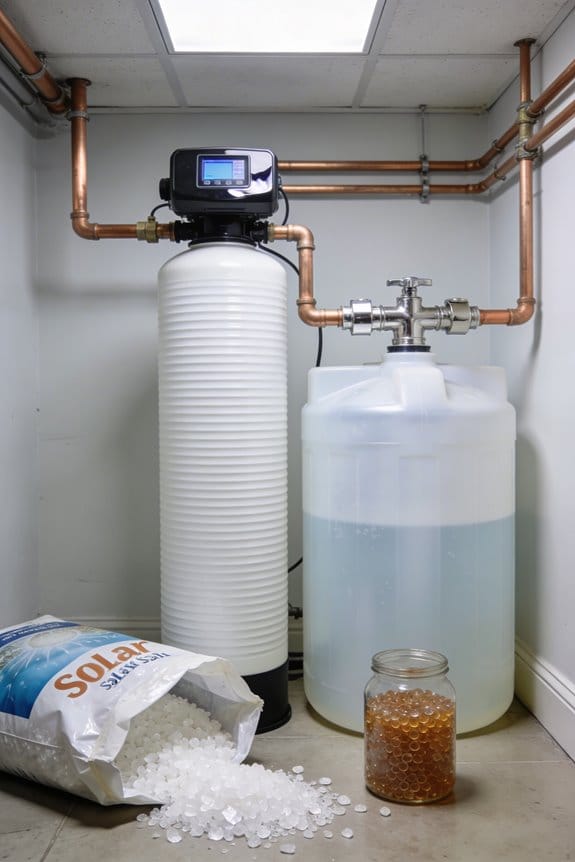

Most homes need to add salt to their water softener every 6–8 weeks, though your specific timeline depends on water hardness, household size, and system efficiency. Larger families with very hard water may refill every 4–6 weeks, while smaller households might go longer. I’d recommend checking your brine tank monthly to monitor salt levels and adjust your schedule accordingly. Keeping salt several inches above the water level prevents problems and guarantees your system works properly. Understanding your unique consumption rate helps you avoid running out unexpectedly.
Key Takeaways
- Standard refill interval is every 6–8 weeks for typical households with moderate water hardness and average usage.
- Larger households and very hard water increase salt consumption, requiring refills every 4–6 weeks instead.
- Monthly visual inspections of the brine tank help track salt depletion rates and adjust schedules accordingly.
- Refill when salt drops below half full; keep tank no more than half to three-quarters full.
- Warning signs of depleted salt include hard water return, poor soap lathering, and mineral deposits on fixtures.
The Standard Schedule: Every 6–8 Weeks for Most Homes
For most households, you’ll typically need to add salt to your water softener every 6 to 8 weeks, which works out to roughly 4 to 6 times per year. This standard schedule assumes typical water usage and moderate water hardness levels in your home.
Monthly maintenance checks help you stay on track with salt addition. During these inspections, examine your brine tank to gauge salt depletion rates. Your specific needs depend on factors like household size, water hardness, and system efficiency.
When selecting salt, choose high-quality pellets or crystals designed for water softeners, as they dissolve more effectively than rock salt. Proper salt selection prevents bridging—when salt forms a hard crust—which can interrupt your system’s regeneration cycle and leave you with depleted supplies despite appearing full.
How Often to Refill Based on Water Hardness and Usage
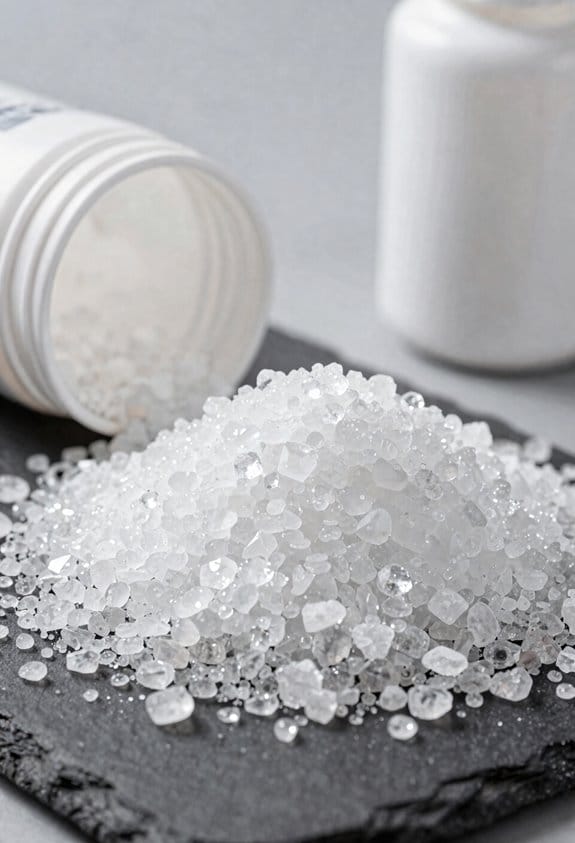
While the 6-to-8-week schedule works well as a general guideline, your actual refill frequency depends on two main factors: how hard your water is and how much water your household uses. If you have very hard water with high mineral content like calcium and magnesium, your system regenerates more often, consuming salt faster. Similarly, larger family sizes mean increased water usage, which depletes your salt supply quicker. You might need to refill every 4-6 weeks instead of waiting the full 8 weeks. Consider seasonal adjustments too, since winter often brings higher water usage from heating needs and holiday guests. Check your brine tank monthly to track consumption patterns, then adjust your refill schedule accordingly.
Recommended Products

Perfect for Families: Designed for households of 1–4 people battling hard water. The EcoPure EP31 treats up to 31,000 grains to protect your home from mineral buildup, stains, and scale damage

STOP SCALE BUILDUP: HydroFLOW’s technology prevents scale from forming in your home’s water systems, keeping your faucets and shower nozzles running smoothly and efficiently.
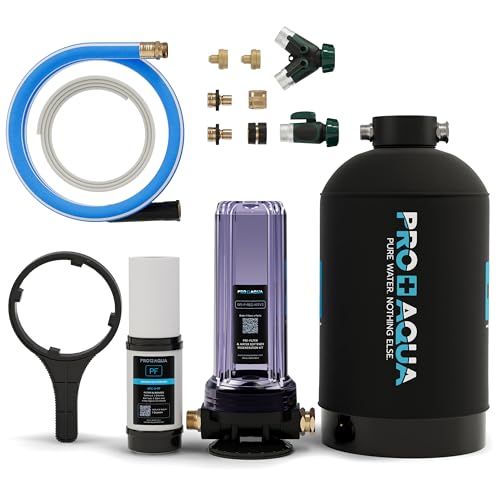
【 HIGHLY EFFICIENT 】Hard water is notorious for smelling like rotten eggs and having a foul taste. Improve the overall smell and taste of water and protect your water system from hard water deposits, build-up, corrosion, and scale by using a portable water softener.
Your System Type Determines How Often to Add Salt

Different water softener models work in distinct ways, which means the salt refill schedule that works for your neighbor’s system might not match yours. Older models regenerate more frequently, depleting salt faster and requiring additions every four to six weeks. Newer systems, however, use on-demand regeneration technology that’s more efficient, so you’ll add salt less often—typically every six to eight weeks. System compatibility matters when determining your specific needs. Kinetico systems illustrate this variation: medium-to-high use households should fill tanks two-thirds to three-quarters full monthly, while low-use households only need halfway fills. Understanding your system’s regeneration schedules helps you maintain peak performance and avoid unnecessary salt purchases.
Recommended Products

[Revolutionary Water Treatment] Experience unparalleled water quality enhancement with iSpring EDV2 electronic descaler. Say goodbye to hard water woes without resorting to chemicals, salt, or tedious maintenance. Witness a noticeable improvement in just 12 weeks.

BULK VALUE: Six 40-pound bags of water softener salt pellets for extended supply and convenience

Bulk Purchase: 6 bags of high-quality water softener salt crystals, with each bag weighing 40 lbs.
Spot the Right Fill Level: A Visual Inspection Guide
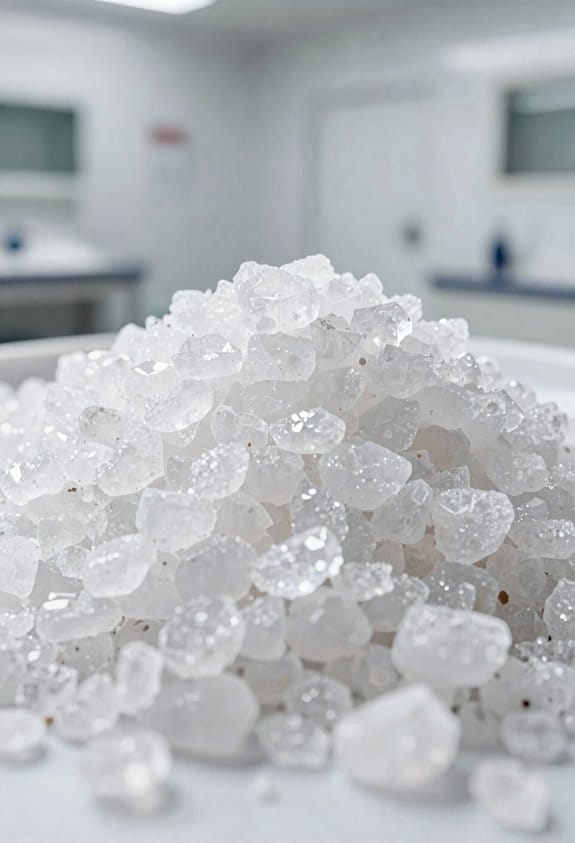
Now that you’ve identified your system type and understood its regeneration schedule, you’ll need to know how to check whether your brine tank actually needs salt. I recommend inspecting your tank visually every month to monitor the salt level. Look for these key visual cues: the salt should appear dry and remain several inches above any water level in the tank. If you notice the salt level dropping below half full, it’s time to add more. When refilling, I suggest filling the tank to just over halfway full. Watch carefully for wet salt or standing water above the salt levelplate, which indicates potential problems. These straightforward observations help you maintain peak system performance and prevent regeneration failures.
Prevent Salt Bridges Before They Happen
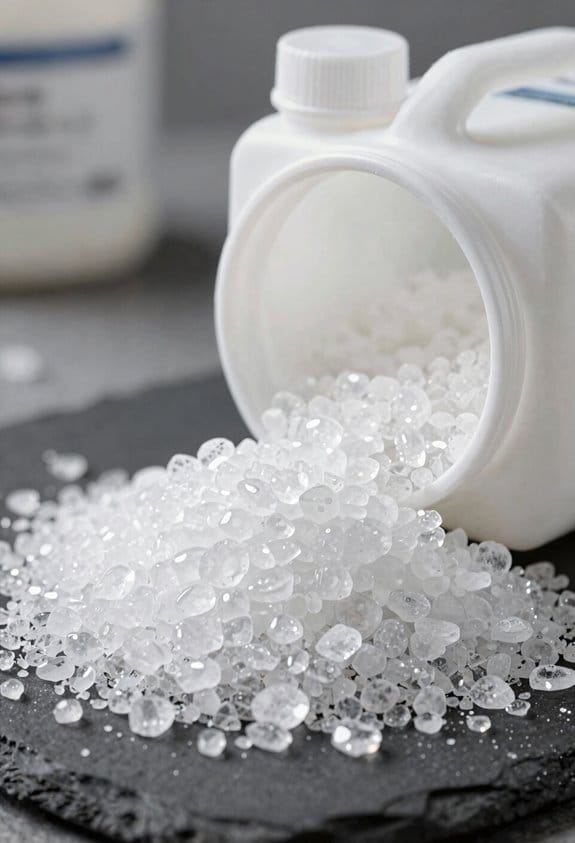
Because salt bridges can prevent your water softener from regenerating properly, I recommend inspecting your brine tank every two to three months to catch this problem early. A salt bridge forms when a crust develops over your salt, trapping water underneath and preventing proper dissolving.
To prevent bridges from forming, I suggest using coarse salt rather than fine salt, which compacts more easily. Control humidity by placing your water softener in a dry location, since moisture encourages bridging. When you refill, break up the salt with a broom handle to disturb any forming crusts. Keep your tank no more than half full, as overfilling increases bridge risk. These preventative steps help make certain your system regenerates efficiently and maintains consistent water softening performance.
Recommended Products

Saltless Scale Control - WaterBoss’ Whole House Descaler prevents scale buildup in pipes and plumbing using a salt-free, chemical-free method. No maintenance such as cleaning, backwashing, salt refills, or electricity is needed. This system does not soften water or eliminate minerals that cause hard water.
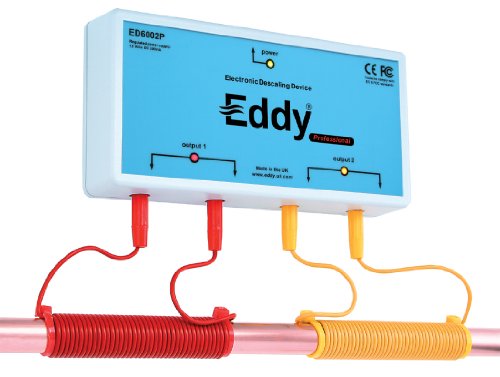
WHAT EDDY DOES: Eddy is a NO-SALT household electronic water descaler, far healthier and more environmentally friendly alternative to a water softener. Uses our unique micro-chip generated true magnetic pulse waveform. Eddy is BRITISH built, refined and perfected over 25 YEARS in the water treatment business and comes with our renowned customer service

(4-Pack) Convenient 25lb bags, designed for easy handling – ideal for seniors
Warning Signs Your System Is Running Out of Salt
While preventing salt bridges keeps your system running smoothly, recognizing when your water softener’s salt supply is depleting helps you avoid water quality problems altogether. I notice several telltale signs that indicate it’s time to refill. Hard water returns, causing soap to lather poorly and leaving mineral deposits on fixtures. Your tap water develops a stale taste, signaling the resin beads can’t soften water effectively anymore. You might hear unusual pump noise during the regeneration cycle, suggesting the system struggles without adequate salt. Bathing leaves your skin feeling sticky rather than clean. If you observe these warning signs between your scheduled monthly checks, your system likely needs salt sooner than expected, particularly if your household usage is high.
Recommended Products

Dual alternating tanks never run out of soft water

Complete Twin tank water softener provides continuous soft water

EASILY WIPE AWAY SCALE: HydroFlow’s advanced technology electronically treats water to prevent minerals from binding to pipes, water heaters, faucets, etc. While it does not prevent the white stuff/scale, the HydroFlow unit prevents the minerals from binding to your pipes and faucets making clean up a simple wipe.
Commercial Water Softeners: How Often to Refill
Commercial water softeners demand far more frequent salt refills than residential systems, requiring careful monitoring to maintain consistent water quality for your business operations. Unlike household units that need salt every 6-8 weeks, commercial systems consume 40-100+ pounds weekly, depending on water usage volume and hardness levels. High-volume operations may deplete salt supplies in just days or a single week, necessitating rigorous commercial maintenance schedules. Industrial dosing requirements vary markedly based on your facility’s specific demands. Small businesses typically use similar amounts to households, while larger enterprises need substantially more frequent refilling. I recommend establishing a weekly inspection routine and calculating your system’s consumption rate to prevent service interruptions. Proper planning guarantees your softener consistently delivers conditioned water throughout your operation.
Recommended Products

PROTECTS PLUMBING AND APPLIANCES FROM HARD WATER SCALE WITH ZERO WATER WASTE FILTERS DIRT, SAND, SILT, CLAY, RUST, AND OTHER DEBRIS WITH REUSABLE SEDIMENT FILTER CARTRIDGE CAN BE USED FOR HOMES WITH UP-TO 5 BATHROOMS EASY INSTALLATION, LOW MAINTENANCE 120-DAY SATISFACTION GUARANTEE

【 SUITABLE FOR 1-3 BATHROOMS 】Ideal for small to medium households, this powerhouse duo of filter and conditioner provides high quality filtered water with a high flow rate of 15 GPM. Experience safe, soft, and odor-free water throughout your entire home.

Compact design for space-saving installation: The one-tank compact design of the iSpring WCS50KG whole house water softener helps save valuable space in your home, making it easier to install in tight or limited areas. The system is designed for indoor installation and is intended for cold water supply only. It features an inlet/outlet connector with the options of 1" or ¾" NPT, providing flexibility and compatibility with different plumbing setups.
Frequently Asked Questions
What Type of Salt Should I Use in My Water Softener Tank?
I’d recommend using either rock salt or potassium chloride in your water softener tank. Rock salt’s economical, while potassium chloride’s better if you’re salt-sensitive or want less environmental impact. Check your system’s manual for specific recommendations.
Can I Use Regular Table Salt Instead of Water Softener Salt?
No, I’d absolutely destroy your softener using table salt. Table salt’s tiny grain size clogs the system, while iodized vs. non-iodized variants contain additives. You’ll need sodium chloride designed for water softeners—it’s literally a different product.
How Do I Know if My Brine Tank Is Malfunctioning?
I’d check for salt bridging—where salt crusts over—or brine contamination if your salt level hasn’t dropped in months. You’ll also notice poor water softening performance or find water above the salt layer, indicating malfunction.
What Happens if I Overfill My Water Softener With Salt?
If you overfill your water softener with salt, I’d warn you that you’ll create salt mounds that prevent proper regeneration. You’ll also notice brine odors and risk damaging your system’s internal components from excess buildup.
Is It Safe to Add Salt to a Water Softener Myself?
Yes, it’s safe to add salt yourself. I’d recommend checking your manufacturer warranty first—some require professional service. DIY safety is straightforward: wear gloves, avoid overfilling, and follow your system’s guidelines.