

Hard water deposits calcium and magnesium minerals inside your dishwasher’s spray arms and heating elements, reducing its lifespan from 10–15 years to just 7–10 years. Your washing machine suffers similarly, dropping from 12–15 years to 8–10 years. Soft water prevents this mineral buildup, keeping components clean and efficient while saving you money on repairs, energy bills, and detergent. A water softener typically pays for itself in three to five years through extended appliance life and lower operating costs—though the exact timeline depends on your water hardness level and specific situation.
Key Takeaways
- Soft water prevents mineral scale buildup on heating elements, spray arms, and internal pipes that degrades appliance performance over time.
- Hard water reduces dishwasher lifespan from 10–15 years to 7–10 years; soft water preserves the full expected lifespan.
- Soft water extends washing machine life from 12–15 years by preventing mineral deposits that strain pumps and corrode heating elements.
- Clean heating elements and unobstructed water flow reduce energy consumption, lowering utility bills and operational costs throughout appliance lifespans.
- Water softener installation ($1,500–$3,000) pays back within three to five years through reduced repairs, extended appliance life, and lower energy use.
Does Hard Water Damage Affect Your Appliances?
Hard water builds up inside your appliances over time, causing damage that’ll eventually shorten their lifespan considerably. Minerals like calcium and magnesium accumulate on spray arms, heating elements, and internal pipes in your dishwasher and washing machine. This buildup clogs components, forcing your appliances to work harder and reducing their efficiency. You’ll notice spots on dishes, drainage problems, and increased energy bills as these minerals interfere with normal operation. The strain on pumps and valves leads to frequent breakdowns and costly repairs. Before investing in a water softener, I’d recommend water testing to check your hardness levels. Understanding your water quality helps protect your appliance warranties and prevents expensive damage that could have been avoided.
How Mineral Buildup Wrecks Dishwashers
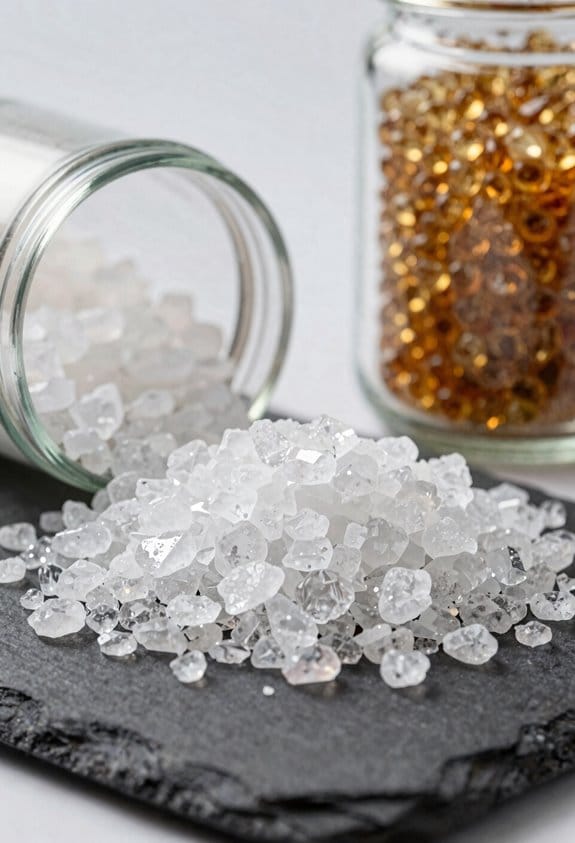
Calcium and magnesium minerals accumulate inside your dishwasher’s spray arms, heating elements, and water lines, creating layers of scale that interfere with how the appliance functions. This mineral erosion damages critical components over time. When spray clogging occurs, water doesn’t distribute evenly across your dishes, leaving them dirty and spotted. The buildup forces your dishwasher to work harder, consuming more energy while delivering worse results. Scale also interferes with heat transfer, making the heating element less efficient. Eventually, this mineral accumulation strains pumps and valves, leading to costly repairs. Without intervention, your dishwasher’s lifespan shrinks dramatically, sometimes by five to seven years or more.
Recommended Products

Whole House Water Filtration with Pre-Filter Protection – This home water filter system includes the WSP50J jumbo spin-down sediment filter as the first stage, capturing sand, dirt, and rust before water enters the main whole house water filter system. It helps prevent clogging, extends the life of your 3-stage water filter, and maintains strong water pressure—ideal for both city and well water applications.

CLEARLY GREAT WATER: This Whole House Water Filter Reduces Sediment Build-Up, Chlorine Taste And Odor As Well As Scale – Helping To Increase The Life Of Hot Water Heaters And Appliances (Dishwashers, Clothes Washers, Etc).

[NSF/ANSI 372 Certified] The WSP50ARJ sediment water filter is certified lead-free under NSF/ANSI 372 standards, ensuring safer and cleaner water for your home.
Why Washing Machines Fail Faster in Hard Water

Mineral deposits silently accumulate inside your washing machine’s water lines, pumps, and filters, creating buildup that doesn’t just sit there—it actively damages the appliance’s ability to function properly. Hard water minerals restrict water flow, forcing your pump to work harder and increasing wear on moving parts. This strain leads to premature breakdowns and frequent repairs.
Scale buildup also causes coil corrosion, damaging heating elements and reducing efficiency. When minerals coat internal surfaces, detergent inefficiency becomes another problem—your detergent can’t dissolve properly or clean effectively, forcing you to use more soap. The combination of restricted water flow, corroded components, and reduced cleaning power markedly shortens your washing machine’s lifespan from 12-15 years down to just 8-10 years.
The Cost: Repairs, Energy, and Replacements
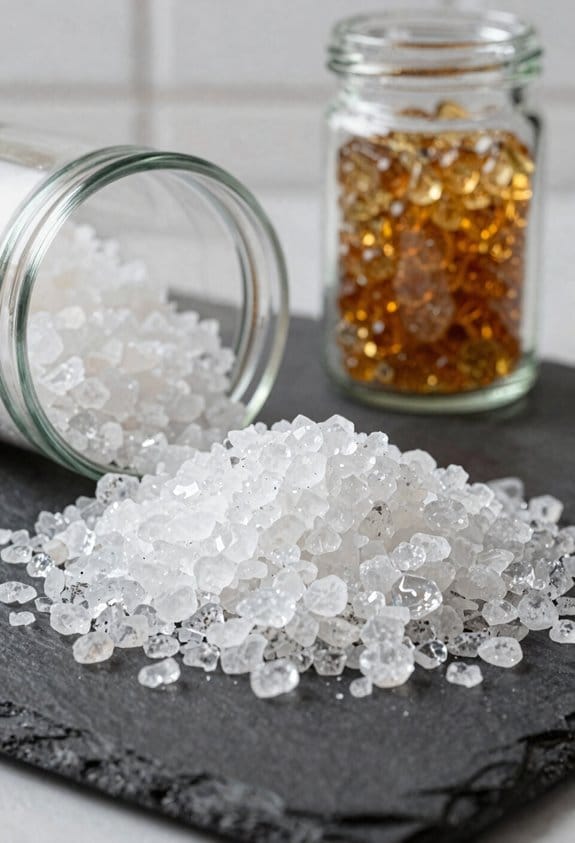
While you’re dealing with the aftermath of a failing washing machine, the financial impact extends far beyond a single repair bill. Hard water accelerates component deterioration, meaning you’ll face frequent repairs that drain your budget. Installation costs for replacement appliances become necessary sooner, and warranty impacts compound problems—many warranties exclude damage from mineral buildup. Energy consumption climbs as minerals interfere with heat transfer efficiency, increasing utility bills monthly. When your dishwasher or washing machine finally fails, you’re replacing it five to seven years earlier than expected. Soft water eliminates these cascading expenses by preventing scale accumulation, reducing repair frequency, lowering energy usage, and extending appliance lifespan markedly. The investment in water softening pays dividends through decreased maintenance costs and delayed replacement cycles.
Recommended Products

Cleaner, Healthier Water from Every Tap in Your Home – Specially designed for well water. High-performance water filter system for great-tasting water, improved air quality, healthier hair & skin, and protected pipes & appliances

Delivers cleaner, smoother water throughout your entire home, enhancing everyday moments from showering and cooking to drinking and cleaning

EASILY WIPE AWAY SCALE: HydroFlow’s advanced technology electronically treats water to prevent minerals from binding to pipes, water heaters, faucets, etc. While it does not prevent the white stuff/scale, the HydroFlow unit prevents the minerals from binding to your pipes and faucets making clean up a simple wipe.
How Soft Water Stops Mineral Damage

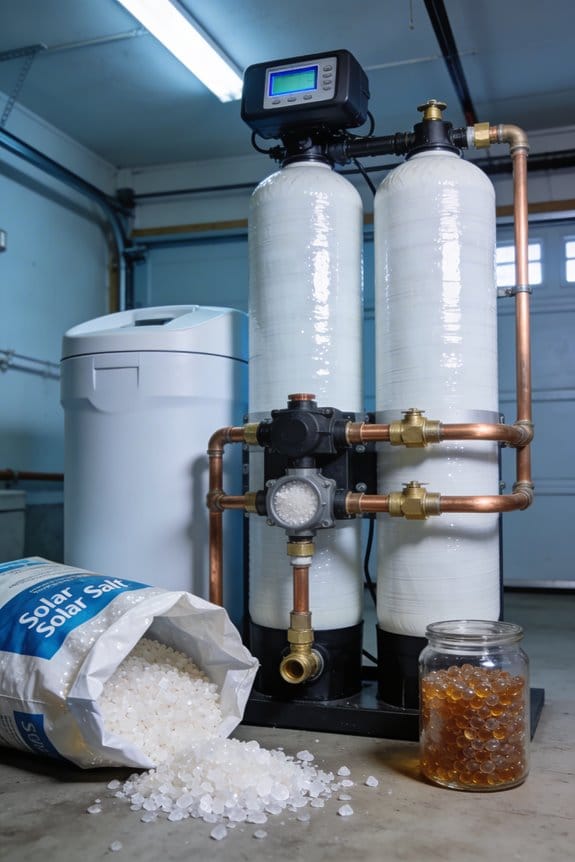
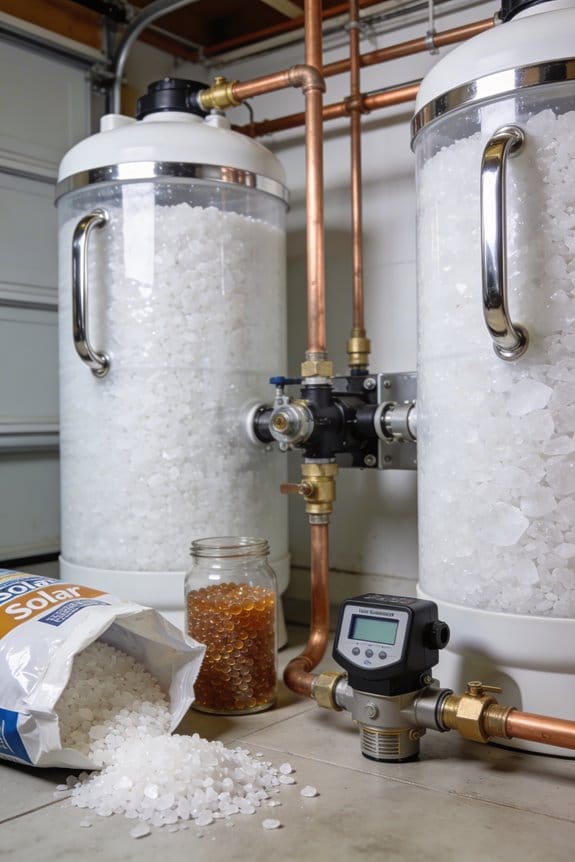
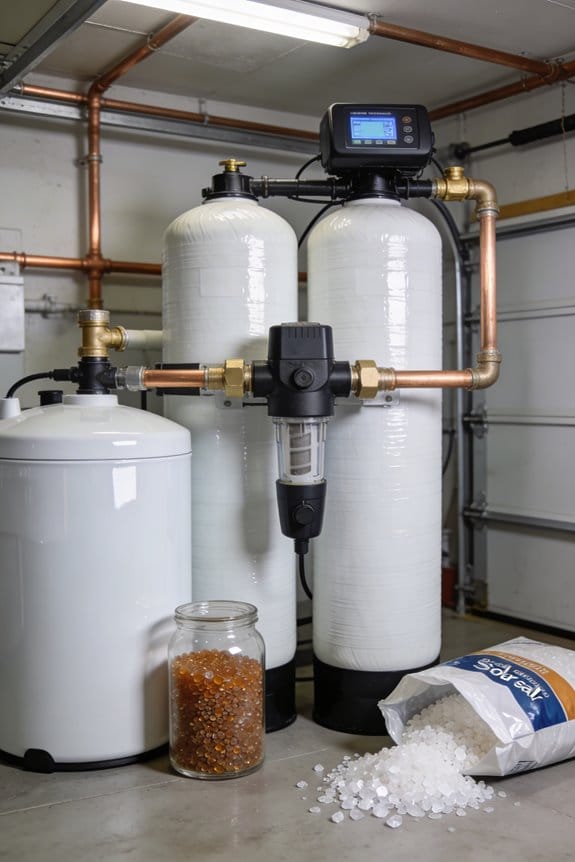
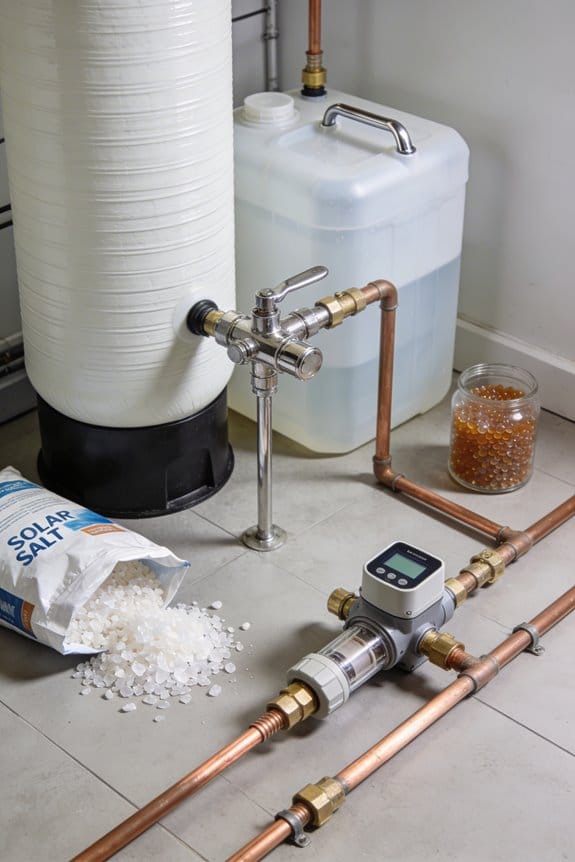
To prevent the mineral damage that costs you time and money, soft water works by removing the hard minerals before they ever reach your appliances. When calcium and magnesium ions are removed through softening, scale prevention becomes automatic inside your dishwasher and washing machine. Without these minerals, spray arms stay clear, heating elements function properly, and water flows freely through pumps and valves. This protection directly supports appliance longevity by reducing the strain on internal components. Your dishes emerge spot-free, clothes rinse thoroughly, and mechanical parts experience minimal wear. By addressing the root cause—hard water minerals—soft water systems eliminate the buildup that forces appliances to work harder, ultimately preserving their performance and extending their operational life markedly.
Recommended Products

4 STAGE ULTIMATE PROTECTION: Specifically designed to provide unmatched filtration and softening performance. This whole house filtration/salt-free softener conditioner package will provide safe soft water for your entire home and remove heavy metals, odors, colors, and many other contaminants in your water.

💧 Perfectly designed for 1-2 bathrooms homes, the Aquasure Signature Series is the professional grade Whole House Water system that delivers high quality filtered, ultra-softened water to every outlet throughout your entire home. No need for manual regeneration, backwash, draining, this system automatically regenerates and backwash, making it cost efficient and easy to maintain

ENJOY CLEAN WATER FROM EVERY FAUCET - WCFM500K whole house water filtration system reduces iron (up to 12 ppm), manganese & hydrogen sulfide (up to 20 ppm), solids, and turbidity with 3-micron sediment filtration. Automatic media regeneration extends system lifespan up to 10 years with no filter replacements.
Dishwashers: Expected Lifespan Gains With Soft Water
When you understand how soft water protects your appliances from mineral damage, it’s natural to wonder what that protection actually means for your dishwasher’s lifespan. Here’s what the data shows: dishwashers typically last 7-10 years with hard water, but with soft water, you can expect 10-15 years or more. That’s a potential gain of 5-7 years.
This extended expected longevity matters considerably for your wallet. Without mineral buildup clogging spray arms and heating elements, your dishwasher runs more efficiently and experiences fewer breakdowns. You’ll likely need fewer repairs during those extra years.
Additionally, soft water improves warranty implications. Many manufacturers’ warranties cover defects more favorably when you’ve minimized preventable damage, since mineral scale isn’t a manufacturing issue but a water quality problem.
Washing Machines: Durability and Efficiency Improvements
Washing machines face unique challenges from hard water that differ markedly from dishwashers, yet soft water delivers similarly impressive durability gains. Mineral deposits accumulate on internal parts, hoses, and filters, restricting water flow and straining pumps. When you use soft water, you’ll prevent this clogging, which improves rinse performance and reduces residue on your laundry. Soft water also enhances spin cycle optimization, allowing your machine to operate more efficiently. Because soft water requires less detergent, you can switch to eco friendly detergents without sacrificing cleaning power. With soft water, your washing machine can last 12-15 years instead of 8-10 years, reducing mechanical strain and decreasing breakdowns markedly.
Your Real Savings: Energy, Detergent, and Repairs
While extending your washing machine’s lifespan is important, the financial benefits of soft water go well beyond durability gains. You’ll notice immediate savings through detergent optimization, since soft water requires markedly less soap to achieve effective cleaning. An energy audit of your home reveals that soft water improves heat transfer efficiency, reducing electricity consumption in both dishwashers and washing machines. These lower utility bills accumulate over time, creating substantial savings. Additionally, you’ll spend less on repairs and replacements when mineral buildup doesn’t strain your appliances’ internal components. The combined effect—reduced detergent purchases, decreased energy use, and fewer maintenance visits—creates meaningful financial benefits that justify investing in a water softening system for your household.
Soft Water’s Payback Timeline and ROI
Since you’re investing money upfront in a water softening system, it’s natural to wonder how long it’ll take before those savings actually pay for itself. Most water softeners cost between $1,500 and $3,000 installed, including the installation timeline and equipment setup. However, you’ll start seeing savings immediately through reduced detergent usage and lower energy bills. Within three to five years, you’ll typically break even on your investment. After that point, you’re fundamentally saving money while your appliances run more efficiently. Consider that replacing a dishwasher or washing machine costs $800 to $2,000. Since soft water extends appliance life by five to seven years, the financial benefits compound markedly over time.
Recommended Products

The WECO Backwashing filter with KL/OZ is a specialized Point-Of-Entry (POE) system designed for municipal and well water supplies. Utilizes iron reduction media consisting of manganese dioxide (MnO2) coated onto naturally mined ZEOSORB. Lightweight filtration media with various functions and properties for water treatment and remediation.

High removal capacity of iron, manganese, hydrogen sulfide. Removes suspended solids and turbidity.

✅𝗘𝗙𝗙𝗜𝗖𝗜𝗘𝗡𝗧 𝗪𝗔𝗧𝗘𝗥 𝗦𝗢𝗙𝗧𝗘𝗡𝗜𝗡𝗚: Our WECO UXC-1665 water softener system is designed to prevent mineral scale buildup on sinks, faucets, shower doors, and plumbing fixtures. This compact water softener reduces the need for frequent scrubbing and cleaning, making maintenance easier for residential and commercial spaces.
When to Switch: Making the Investment Decision
Deciding whether to install a water softening system comes down to weighing your current situation against the long-term benefits, and I’d recommend starting by determining if you actually have hard water. A simple water hardness test kit reveals your mineral content levels. Consider your installation timing carefully—retrofitting an existing home costs more than installing during new construction or renovations. Check warranty considerations on your dishwasher and washing machine, since some manufacturers void coverage if you don’t use soft water. Evaluate your appliance age too. If your machines are relatively new, soft water protects your investment immediately. If they’re nearing replacement anyway, installing a system beforehand extends their lifespan markedly, maximizing your return through reduced repair costs and extended operational years.
Recommended Products
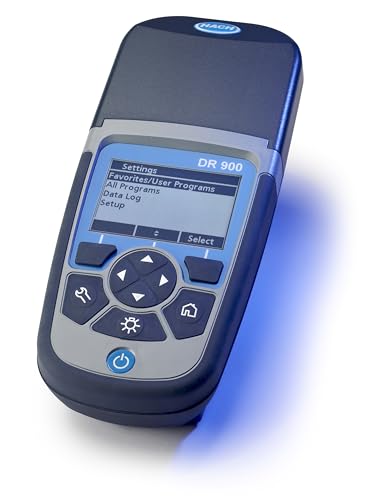
Ensure compliance and effective monitoring with accurate results for over 90 methods across 48 parameters for a range of applications.

THIS KIT ONLY HAS MY GARDEN POOL AQUARIUM AND TERRARIUM TEST STRIPS FOR AQUARIUM TESTING, DOES NOT HAVE 4335 DISKS WHICH ARE REQUIRED FOR THIS DEVICE TO TEST AQUARIUMS PROPERLY. WE ONLY HAVE 4320 DISKS AND TEST STRIPS IN THE BUNDLE

PRECISE CHLORINE MEASUREMENTS – Accurately measures Free Chlorine (0.02–2.00 mg/L Low Range) and Total Chlorine (0.1–8.0 mg/L High Range), providing reliable data for water quality analysis.
Frequently Asked Questions
What’s the Difference Between Water Softening Systems, and Which Type Works Best?
Ion exchange systems swap calcium and magnesium for sodium, while template assisted crystallization converts minerals into harmless crystals. I’d recommend ion exchange for harder water—it’s more effective, though template assisted works well if you’re sodium-sensitive.
How Hard Is My Water, and What Hardness Level Requires a Softener?
You’ll need water testing to determine your hardness level. Most experts recommend softeners when mineral content exceeds 60-120 mg/L. I’d suggest getting your water tested first to know exactly what you’re dealing with.
Can I Install a Water Softener Myself, or Do I Need a Professional?
You can handle basic DIY installation, but I’d recommend hiring a professional. They’ll make certain proper setup, maintain your warranty, and prevent costly mistakes with plumbing connections and system configuration.
What Maintenance Does a Water Softener Require, and How Often?
I’d say you’ll need regular filter replacement and brine refill—coincidentally, both coincide nicely on similar schedules. You’re looking at monthly brine refills and annual filter changes to keep your softener running smoothly and protecting those appliances.
Are There Any Downsides or Health Concerns Associated With Soft Water?
I’d say soft water’s main concerns are potential metal leaching from pipes and possible skin dryness for sensitive individuals. However, these issues are generally manageable with proper maintenance and personal care adjustments.