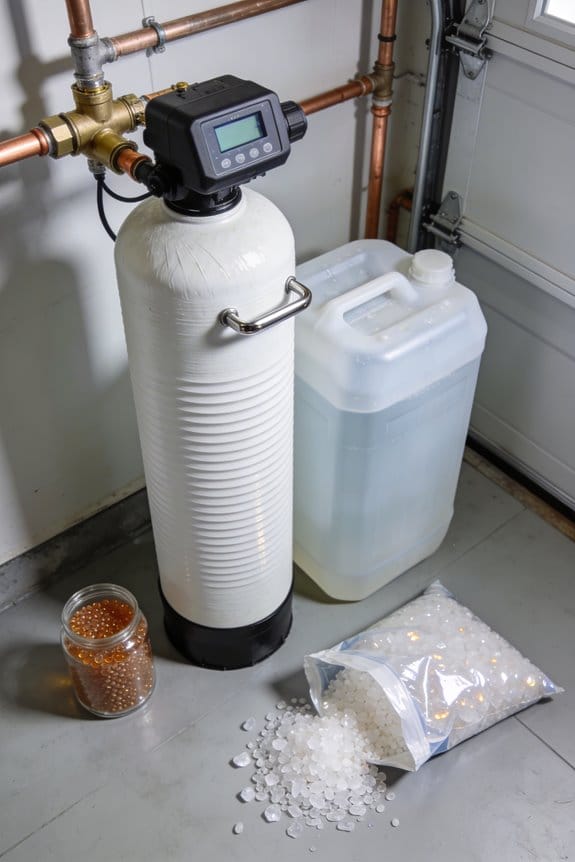

Upflow and downflow systems differ in how water moves through your softener’s resin tank during regeneration. In upflow systems, brine flows upward from the bottom, creating a polisher effect that removes hardness minerals more effectively and uses 30–50% less salt than downflow models. Downflow systems push brine downward, which consumes more salt and water but work well with sediment-heavy well water. Your choice depends on your water quality, budget, and whether you prioritize efficiency or simplicity; each approach offers distinct advantages worth exploring further.
Key Takeaways
- Upflow systems push water upward through resin during regeneration, while downflow systems push water downward through the resin bed.
- Upflow regeneration uses 30–50% less salt and up to 40% less water than downflow alternatives, reducing operating costs significantly.
- Upflow creates more effective hardness removal with a polisher effect, preventing mineral leakage and extending resin lifespan compared to downflow.
- Upflow systems have higher upfront costs but offer long-term savings through reduced salt and water consumption during regeneration cycles.
- Downflow systems work better with low-quality well water containing sediment or iron, while upflow suits municipal or clean water sources.
How Upflow and Downflow Systems Work
When you’re trying to understand water softeners, it’s helpful to know that the main difference between upflow and downflow systems comes down to one thing: the direction water travels through the resin tank. In upflow systems, water moves upward through the resin bed, creating what’s called flow reversal during regeneration. The brine solution travels from bottom to top, opposite to normal service flow. Downflow systems work the opposite way, pushing water downward through the resin. Understanding these resin dynamics helps explain why each method performs differently. Both systems rely on water pressure, but their directional approaches create distinct advantages in efficiency and water quality during the regeneration process.
Recommended Products

Point-Of-Entry (POE) whole house residential/commercial hydrogen sulfide and iron removal system for community and well water supplies.

Dual alternating tanks never run out of soft water

Complete Twin tank water softener provides continuous soft water
Which System Saves More Salt and Water?
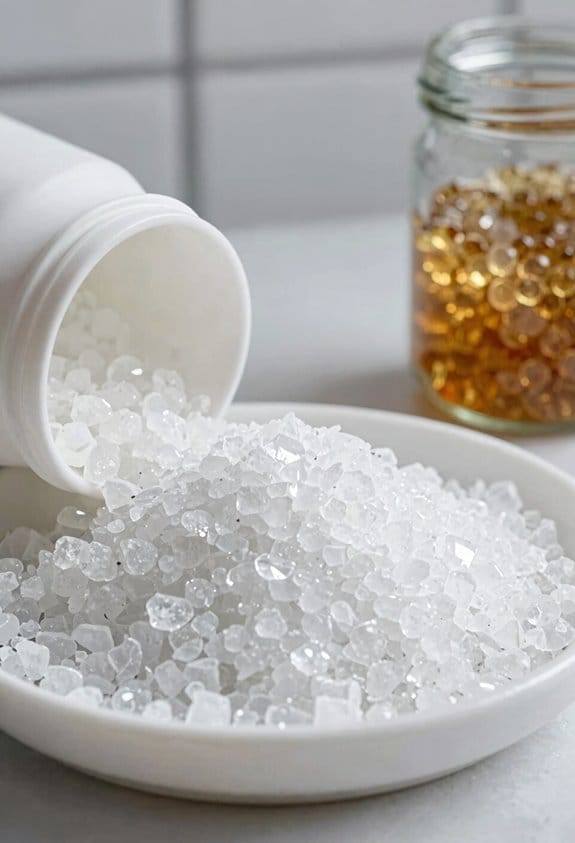
If you’re concerned about your water bill and salt expenses, the choice between upflow and downflow regeneration matters substantially. Upflow systems dramatically reduce your salt reduction needs, using 30–50% less salt than downflow alternatives. In advanced models, salt waste drops by as much as 75%. Your water footprint also shrinks considerably with upflow technology, which consumes up to 40% less water during regeneration cycles. Downflow systems, by comparison, average 75% higher salt usage and 64% more water consumption. The efficiency difference stems from how each system operates: upflow’s lower brining flow rates create extended contact between brine and resin, maximizing regeneration effectiveness. Over time, these savings offset upflow’s higher initial installation cost, making it the economical choice for most households.
Recommended Products
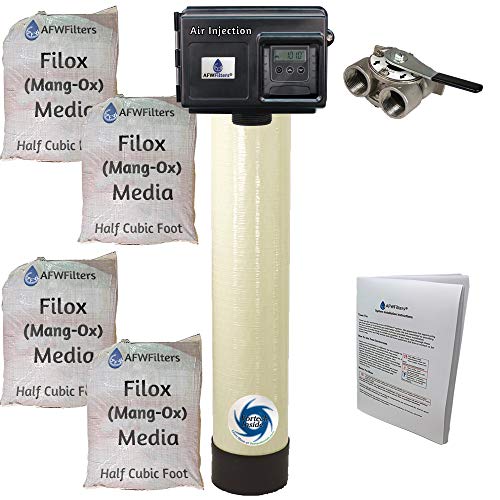
DIY install with supplemental instructions by AFWFilters

DIY install with supplemental instructions by AFWFilters
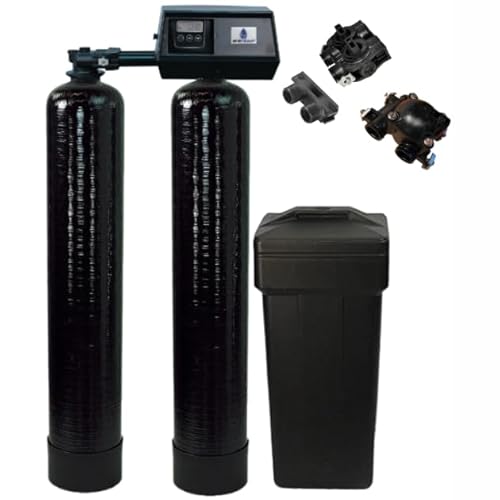
The AFWFilters Complete Twin Tank Water Softener is an innovative solution designed to ensure a constant supply of soft water. Unlike traditional single-tank systems, this twin-tank design allows for one tank to undergo the regeneration process while the other continues to provide soft water. This means you’ll never experience a downtime in soft water availability, making it ideal for households with high water usage or those who simply want the convenience of uninterrupted service.
Upfront Cost vs. Long-Term Savings
Because upflow water softeners require more advanced technology and installation procedures, they typically carry a higher upfront purchase price than downflow systems. However, your initial investment pays dividends over time through significant lifecycle savings. Upflow systems use 30–50% less salt and reduce water consumption by up to 40% compared to downflow alternatives. These efficiency gains translate directly into lower operating costs month after month. While downflow models cost less initially, the reduced salt and water expenses from upflow systems eventually offset that price difference. For homeowners with heavy water usage, this financial advantage becomes especially meaningful. Long-term, upflow systems prove more economical despite their higher upfront cost, making them a smarter investment for most households.
Recommended Products

Cleaner, Healthier Water from Every Tap in Your Home – Specially designed for well water. High-performance water filter system for great-tasting water, improved air quality, healthier hair & skin, and protected pipes & appliances
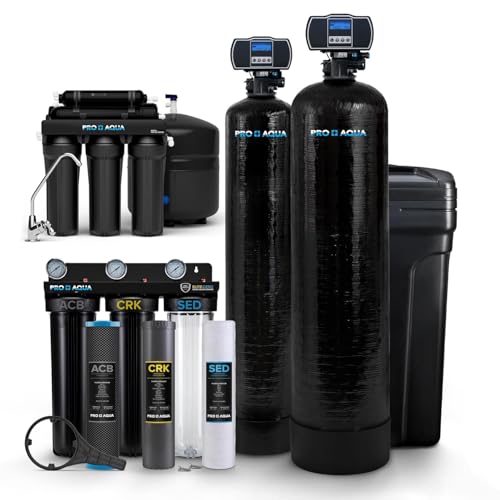
5 STAGE ULTIMATE PROTECTION: Specifically designed to provide unmatched filtration performance for well water. This whole house filtration package will provide safe water for your entire home and remove many contaminants found in well water as well as hardness.

COMPLETE PACKAGE - Complete package that includes a whole house Water Softener, Upflow Carbon Filtration System, & Drinking Water Reverse Osmosis System. Our package also includes an installation manual and technical support. AFW Filters water bottle included with system. Water bottle has sanitizer pack, silicone lubricant, and hardness test strips for the PERFECT install!
What Regeneration Quality Do You Get?
The regeneration process fundamentally determines how effectively your water softener removes hardness minerals, and the direction of water flow during this cycle markedly impacts the quality of results you’ll receive. Upflow regeneration produces stronger, more even results because brine moves upward with increasing concentration, creating a polisher effect that leaves freshest brine at the top. This method drives hardness away from resin more effectively, extending resin longevity and preventing hardness leakage through softened water. Downflow regeneration, conversely, pushes treated water through newly recharged resin, potentially allowing minerals to escape into your water supply. Upflow systems deliver consistently superior soft water quality through their regeneration design, while downflow alternatives struggle with comparable effectiveness.
Recommended Products

Compact design for space-saving installation: The one-tank compact design of the iSpring WCS50KG whole house water softener helps save valuable space in your home, making it easier to install in tight or limited areas. The system is designed for indoor installation and is intended for cold water supply only. It features an inlet/outlet connector with the options of 1" or ¾" NPT, providing flexibility and compatibility with different plumbing setups.

COMPLETE ULTIMATE Whole House Water Softening and Filtration System

COMPLETE PACKAGE - Complete package that includes a whole house Water Softener w/ UPGRADED 10% resin & Upflow Carbon Filtration System. Our package also includes an installation manual and technical support. AFW Filters included with system, sanitizer pack, silicone lubricant, and hardness test strips for the PERFECT install!
Which Upflow or Downflow System Fits Your Water?
How do you know which regeneration method suits your specific water supply? Your water quality determines which system works best for your home. If you have low-quality well water with high sediment or iron content, a downflow system performs better because it handles contaminated water more effectively. However, if your municipal water is relatively clean, an upflow system offers superior efficiency and salt savings.
Consider your maintenance access too. Upflow systems require electricity and need accessible installation space, while downflow models often work without power. Well depth and water pressure also matter—upflow systems need adequate pressure to push brine upward through the resin tank effectively.
Recommended Products

High removal capacity of iron, manganese, hydrogen sulfide. Removes suspended solids and turbidity.

ADVANCED FILTER MEDIA - This whole house water filter system utilizes premium KDF55 and high-quality coconut shell activated carbon to effectively remove chlorine, lead, heavy metals, PFAS, chloramine, radon, herbicides, and more.

64k Digital Dual Tank Alternating IRON PRO Water Softener with Fleck 9100SXT
Frequently Asked Questions
Do Upflow Water Softeners Require Electricity to Operate?
Yes, I’ll be honest—upflow softeners are thirsty for electricity. They require power to operate timer controls that automate regeneration cycles, unlike downflow models that can function without it.
How Often Do Downflow Systems Need Backwashing Compared to Upflow?
Downflow systems require more frequent backwashing than upflow models since I can’t rely on continuous upward water pressure to fluff the filter media. You’ll need regular maintenance cycles to maintain proper backwash frequency and water pressure efficiency.
Can Upflow Systems Recover if Efficiency Drops Below a Certain Threshold?
I’ll give you a straight answer: yes, like a phoenix rising from ashes, your upflow system can bounce back. When efficiency dips below 3%, I can trigger a short regeneration for flow restoration, restoring you to peak performance until your next scheduled cycle hits those efficiency thresholds.
What Maintenance Advantages Do Upflow Systems Offer Over Downflow Alternatives?
You’ll find upflow systems eliminate backwashing entirely since continuous upward water flow naturally fluffs filter media. This lower maintenance approach keeps your system operating efficiently longer while reducing operational complexity substantially.
How Does Resin Lifespan Differ Between Upflow and Downflow Systems?
In a commercial setting, an upflow system’s resin lasted 8 years versus a downflow’s 5 years. Upflow minimizes resin degradation and capacity loss through gentler regeneration, extending your system’s lifespan considerably.