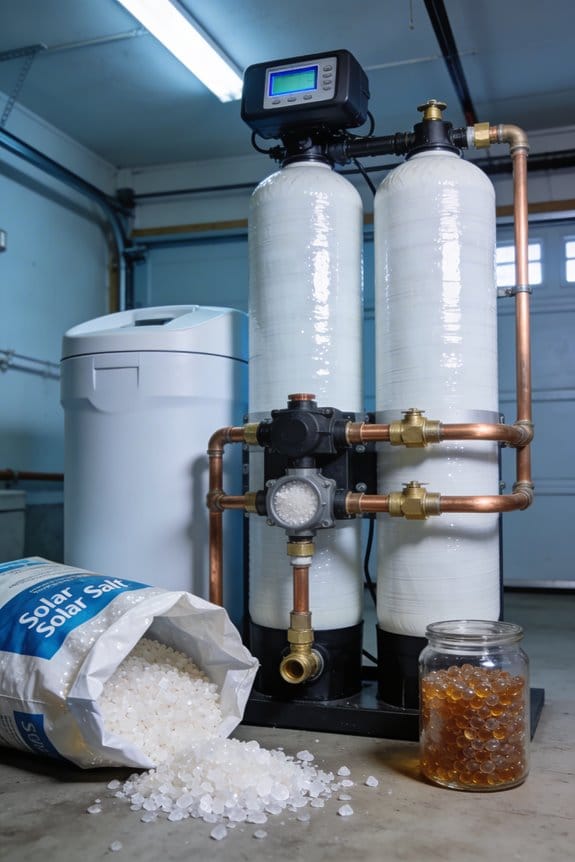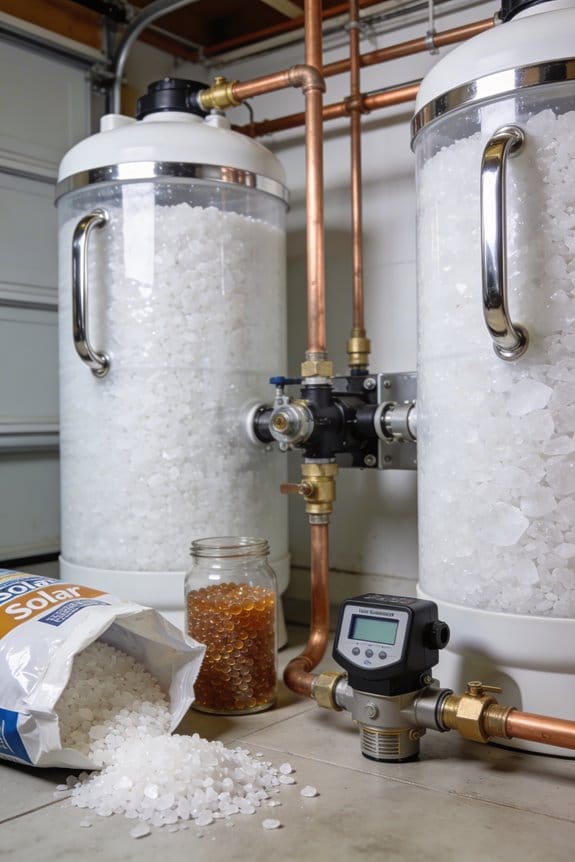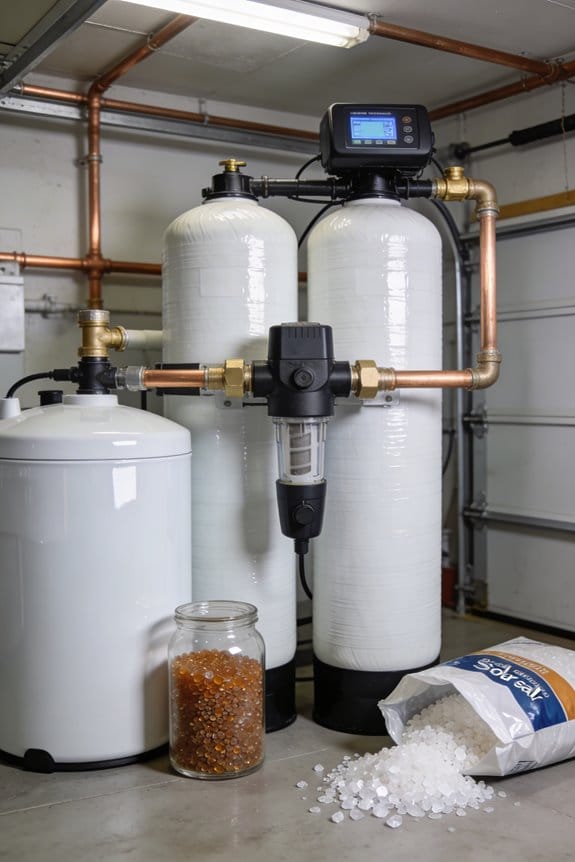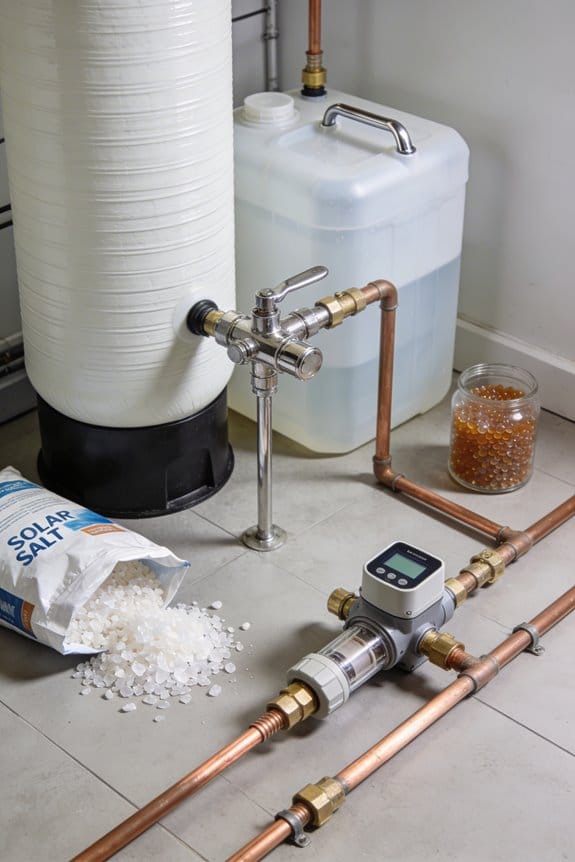


Softened water feels slippery because ion exchange removes calcium and magnesium minerals that normally strip your skin’s natural oils away. When these minerals disappear, your skin’s protective oils stay on your skin instead of washing off, creating that silky sensation. You’re likely using too much soap, which leaves residue that intensifies the feeling. Reducing soap by half and rinsing thoroughly can help, though understanding the full picture of why this happens reveals several effective solutions.
Key Takeaways
- Ion exchange in water softeners replaces calcium and magnesium with sodium or potassium ions, altering soap chemistry.
- Natural skin oils remain on your skin surface instead of being stripped away by mineral-soap reactions.
- The slippery sensation is preserved skin oils maintaining your moisture barrier, not actual slime or residue.
- Softened water allows soap to work more efficiently, so using excess soap creates lingering residue buildup.
- Using half your normal soap amount and rinsing thoroughly can significantly reduce the slippery feeling.
What’s Really Causing That Slimy Feeling?
When you step into a shower fed by softened water, you’re likely to notice that slimy, slippery feeling on your skin that hard water users don’t experience. This sensation results from chemical interactions between your skin’s natural oils and the altered water composition. During the ion exchange process, water softeners replace calcium and magnesium ions with sodium or potassium ions. This substitution changes soap chemistry fundamentally. In hard water, minerals combine with soap to form residue that strips away your skin’s protective oils. Softened water eliminates this mineral-soap reaction, allowing your natural oils to remain on your skin’s surface. That slippery feeling you’re experiencing isn’t actually slime—it’s your skin’s own moisturizing oils that would normally be removed, now preserved by the softening process.
Recommended Products

3-IN-1 TREATMENT SYSTEM – Combines ion exchange softening, catalytic carbon filtration, and sediment pre-stage to address hardness, chloramines, and particulates, supporting consistent performance across fixtures, appliances, and daily residential use

Filter Shower Head Built in Solid Metal — Crafted from 304 stainless steel and lead-free brass, this premium filtered shower head uses a proven internal water filter to deliver cleaner water that supports healthier skin and stronger-feeling hair.

THE ONLY CLINICALLY PROVEN SHOWERHEAD TO FIGHT HAIR SHEDDING- You won’t find the results of our premium product anywhere else. Filtering your shower water with Jolie is clinically-proven to reduce hair shedding and the only shower filter available that is lab tested and verified by 158+ top publications. With over 225,000+ customers and the most awarded shower filtration system, Jolie is the world’s best shower filter in your fight against hair shedding and dry, irritated skin.
Natural Skin Oils Are Staying on Your Skin
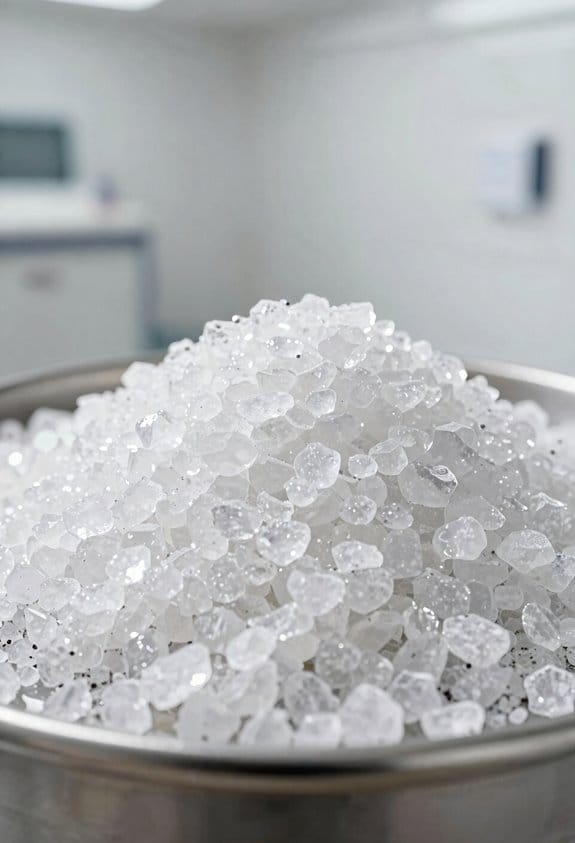
The slippery sensation you’re experiencing in softened water comes down to one simple fact: your skin’s natural oils are staying on your skin instead of being washed away. In hard water, calcium and magnesium minerals react with soap, creating a sticky film that strips away your skin’s protective layer. Softened water eliminates this mineral-soap interaction, allowing your skin lipids to remain intact. This preservation of natural oils strengthens your moisture barrier, the protective layer that keeps your skin hydrated and healthy. What feels slimy is actually your skin functioning as it should. The silky sensation indicates that your softener’s working effectively, maintaining your skin’s natural defenses rather than compromising them.
Recommended Products

CLIMATETUFF MATERIALS: Withstands a range of harsh elements, from intense sun and salt air to rain and blizzards

CLEAN & SAFE - Bergman Kelly hotel bulk amenities provide luxurious cleaning protection for your hygienic bathing needs

Dual alternating tanks never run out of soft water
You’re Probably Using Too Much Soap
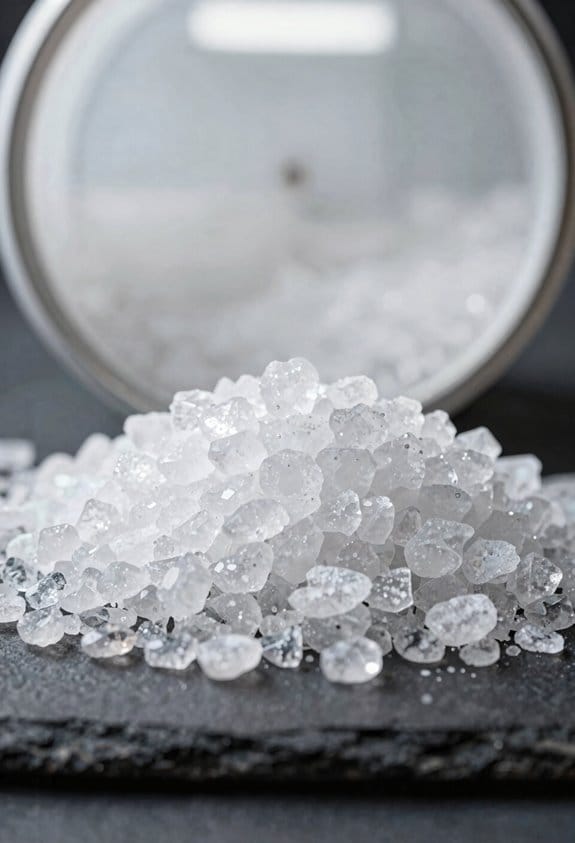
Once you’ve adjusted to soft water, you’ll likely notice that you’re using far more soap than you actually need, and this excess is a primary culprit behind that persistent slippery sensation. In hard water, minerals consume much of your soap, requiring larger amounts to create adequate lather. Softened water, however, allows soap to work more efficiently, meaning you need considerably less. When you apply too much soap to your skin, leftover soap residue remains even after rinsing thoroughly. This accumulated soap film intensifies the slippery feeling you experience. The solution is straightforward: reduce your soap usage markedly. Start with roughly half the amount you’d normally use, then adjust based on your results. This simple modification often eliminates the uncomfortable sensation while maintaining effective cleaning.
Recommended Products
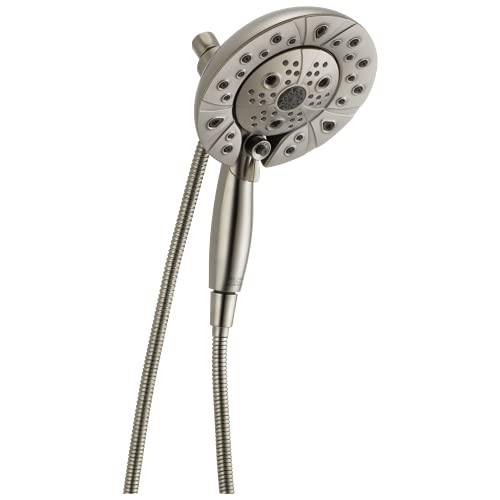
The In2ition Two-in-One Shower gets water where you need it most using the integrated shower head and hand shower separately or together
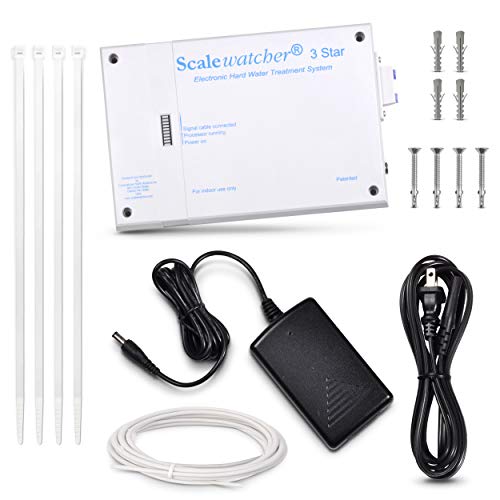
PATENTED ORIGINAL: Keep lime build-up at bay with the original electronic descaler. Don’t settle for imitations that fail to work half the time. Scalewatcher has been patented since 1991 and is the go-to electronic limescale remover for homes, businesses, factories, and water parks worldwide.

HALF DOME fixed shower head paired with our handheld — Comes with built-in diverter valve, holder and hose. PUSH-BUTTON TRICKLE VALVE on the handheld easily controls the flow of water or shuts it off to just a small trickle while lathering for even greater water savings. Cannot run both at full flow at the same time.
Five Ways to Stop the Slippery Sensation
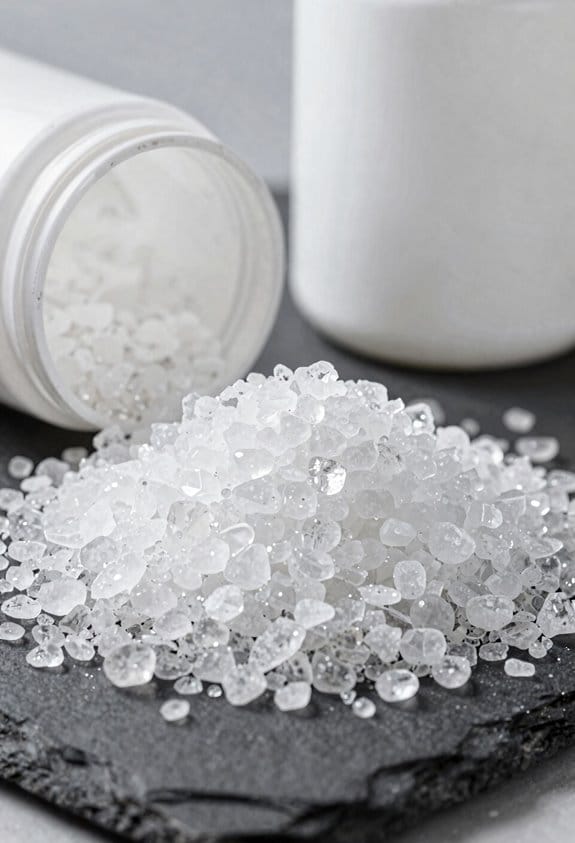
Tackling that uncomfortable slippery feeling doesn’t require you to abandon soft water or tolerate an unpleasant shower experience. I’d recommend starting with soap reduction, since softened water needs markedly less detergent than hard water does. You’ll notice improved results by using roughly half your normal amount. During shower rinsing, make sure you’re thoroughly washing away residue, as complete removal eliminates excess slipperiness. Switching to synthetic body wash or natural soap products without additives can also help reduce the aftereffect. If those solutions don’t work, consider installing a salt-free ion bond softener like PolyHalt®, which modifies hardness minerals without introducing sodium ions. Alternatively, some users find potassium chloride softeners produce slightly less slippery water than sodium-based systems.
Recommended Products

✅𝗘𝗙𝗙𝗜𝗖𝗜𝗘𝗡𝗧 𝗪𝗔𝗧𝗘𝗥 𝗦𝗢𝗙𝗧𝗘𝗡𝗜𝗡𝗚: Our WECO UXC-1665 water softener system is designed to prevent mineral scale buildup on sinks, faucets, shower doors, and plumbing fixtures. This compact water softener reduces the need for frequent scrubbing and cleaning, making maintenance easier for residential and commercial spaces.
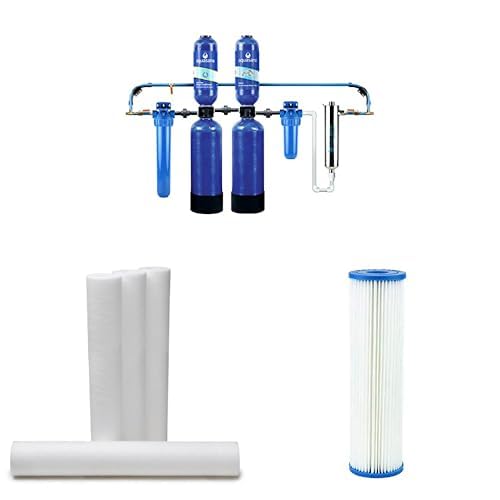
Clean, Great Tasting Water From Every Tap In Your Home - Removes 97% of chlorine. Plus, activated carbon is effective at reducing organic chemicals including pesticides, herbicides, and VOCs while allowing for a fast and reliable flow rate.

Complete Twin tank water softener provides continuous soft water
Salt-Free Softeners and Alternative Solutions
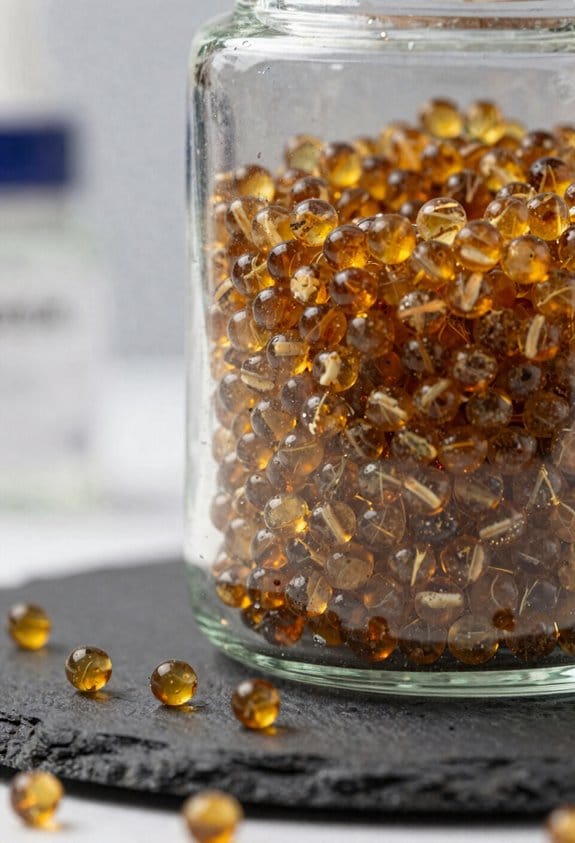
If you’re looking to move away from traditional salt-based softeners, salt-free alternatives offer a different approach to managing hard water without introducing sodium ions into your home’s water supply. Salt-free systems use template maintenance methods that condition minerals rather than remove them, preventing scale buildup while maintaining water’s natural composition.
Magnetic conditioners represent another option, using magnetic fields to alter how hardness minerals behave in your pipes and appliances. These systems don’t eliminate the slippery sensation completely since they don’t replace minerals with sodium ions.
However, salt-free softeners reduce sodium intake concerns and eliminate the need for regular salt purchases. While they require less template maintenance than traditional units, they work differently, making them worth considering if you’re seeking alternatives to sodium-based water softening.
Recommended Products

Delivers cleaner, smoother water throughout your entire home, enhancing everyday moments from showering and cooking to drinking and cleaning

【 SUITABLE FOR 1-3 BATHROOMS 】Ideal for small to medium households, this powerhouse duo of filter and conditioner provides high quality filtered water with a high flow rate of 20 GPM. Experience safe, soft, and odor-free water throughout your entire home.

EASILY WIPE AWAY SCALE: HydroFlow’s advanced technology electronically treats water to prevent minerals from binding to pipes, water heaters, faucets, etc. While it does not prevent the white stuff/scale, the HydroFlow unit prevents the minerals from binding to your pipes and faucets making clean up a simple wipe.
Why the Adjustment Period Is Temporary
Though your skin may feel uncomfortable during your first few weeks with softened water, your body will naturally adjust to the change within two to four weeks. Your initial expectations about how water should feel will shift as your sensory adaptation kicks in, allowing you to recognize the slippery sensation as normal rather than problematic. During this adjustment period, your skin gradually becomes accustomed to retaining natural oils instead of experiencing mineral buildup. This process occurs because your body’s sensory receptors learn to interpret the absence of soap scum as a positive sensation. As you continue using softened water, the feeling becomes familiar and comfortable, transforming what initially seemed strange into your new baseline for cleanliness and skin health.
Frequently Asked Questions
How Do Resin Beads in Water Softeners Remove Calcium and Magnesium Ions From Water?
I’ll explain how resin beads work like tiny magnets attracting hardness minerals. They facilitate ion exchange by trapping calcium and magnesium while releasing sodium ions. Then resin regeneration restores the beads’ capacity to continue softening.
What Percentage of Softened Water Customers Experience the Slippery Sensation When Showering?
According to survey results, I’ll tell you that approximately 97% of softened water customers have reported experiencing the slippery sensation. This user perception reveals how common the concern is among first-time soft water users.
Does Softened Water Cause Long-Term Damage to Pipes and Appliances Compared to Hard Water?
No, I’d argue softened water’s like a fountain of youth for your pipes and appliances. Hard water causes pipe corrosion and limescale damage, while soft water extends appliance lifespan substantially by preventing mineral buildup.
Is Potassium Chloride a Better Alternative to Sodium Chloride in Water Softeners?
I’d say potassium chloride offers potassium benefits since it’s gentler on your skin and environment, though it costs more. You’ll face environmental tradeoffs regarding wastewater impact, making sodium chloride the budget-friendly choice for most households.
Can Hard Water Cause Skin to Become Dry, Tight, and Itchy Over Time?
Yes, hard water’s mineral-soap residue creates a suffocating film on your skin, disrupting your natural barrier and triggering moisture loss. I’ve seen this cause persistent dryness, tightness, and itching that softened water eliminates.