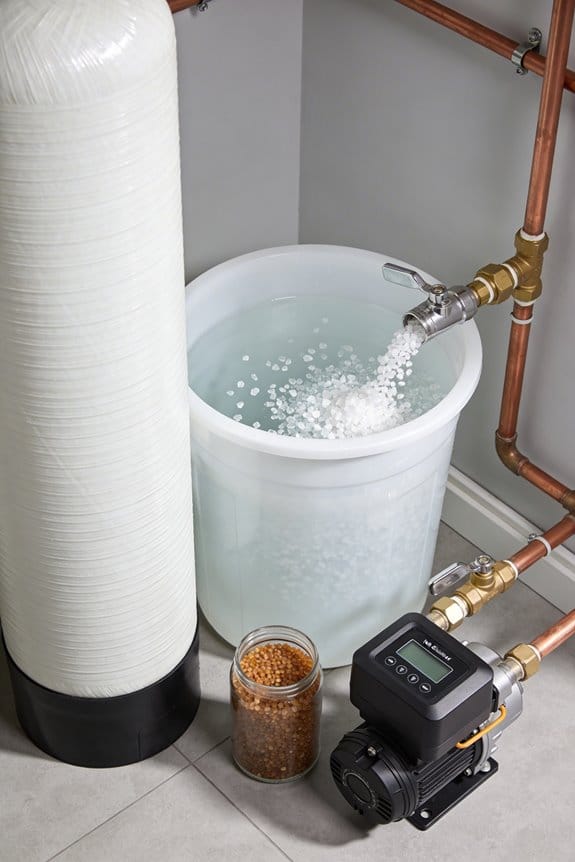

“Salt-free water softener” is misleading because these systems don’t actually soften water. They use crystallization to transform hardness minerals into micro-crystals that won’t stick to pipes, but calcium and magnesium remain in your water. True softeners use ion exchange to remove these minerals entirely, making water feel slippery and improving soap lathering. Salt-free systems only prevent scale buildup on appliances. Understanding this distinction helps you choose the right solution for your specific water concerns.
Key Takeaways
- Salt-free systems don’t soften water; they use crystallization to prevent scale buildup while minerals remain present.
- True water softening requires ion exchange that removes calcium and magnesium; salt-free systems only alter mineral form.
- Salt-free treated water fails soap performance tests and lacks the characteristic slippery feel of genuinely soft water.
- Manufacturers mislabel salt-free conditioners as “softeners” to increase appeal, exploiting weak regulatory oversight in water treatment industry.
- Consumers overpay for ineffective treatments due to misleading terminology; understanding the distinction requires careful product description reading.
Salt-Free Water Softeners Don’t Actually Soften Water
Although manufacturers call them “salt-free water softeners,” these devices don’t truly soften water the way traditional salt-based systems do. I want you to understand the critical difference: salt-free systems use template-assisted crystallization to alter hardness minerals into micro-crystals, but they don’t remove calcium and magnesium from your water. This means your water still fails the soap performance test—it won’t lather efficiently like genuinely soft water does. The water feel remains unchanged; you won’t experience that characteristic slippery sensation. While salt-free systems prevent scale buildup on pipes and appliances by keeping minerals suspended, they don’t eliminate hardness itself. For true water softening with improved soap performance and a noticeably different water feel, you’d need an ion exchange system using salt.
Recommended Products

Cleaner, Healthier Water from Every Tap in Your Home – Specially designed for well water. High-performance water filter system for great-tasting water, improved air quality, healthier hair & skin, and protected pipes & appliances

EASILY WIPE AWAY SCALE: HydroFlow’s advanced technology electronically treats water to prevent minerals from binding to pipes, water heaters, faucets, etc. While it does not prevent the white stuff/scale, the HydroFlow unit prevents the minerals from binding to your pipes and faucets making clean up a simple wipe.

PROTECTS PLUMBING AND APPLIANCES FROM HARD WATER SCALE WITH ZERO WATER WASTE FILTERS DIRT, SAND, SILT, CLAY, RUST, AND OTHER DEBRIS WITH REUSABLE SEDIMENT FILTER CARTRIDGE CAN BE USED FOR HOMES WITH UP-TO 5 BATHROOMS EASY INSTALLATION, LOW MAINTENANCE 120-DAY SATISFACTION GUARANTEE
How Salt-Based Water Softeners Remove Hardness Minerals

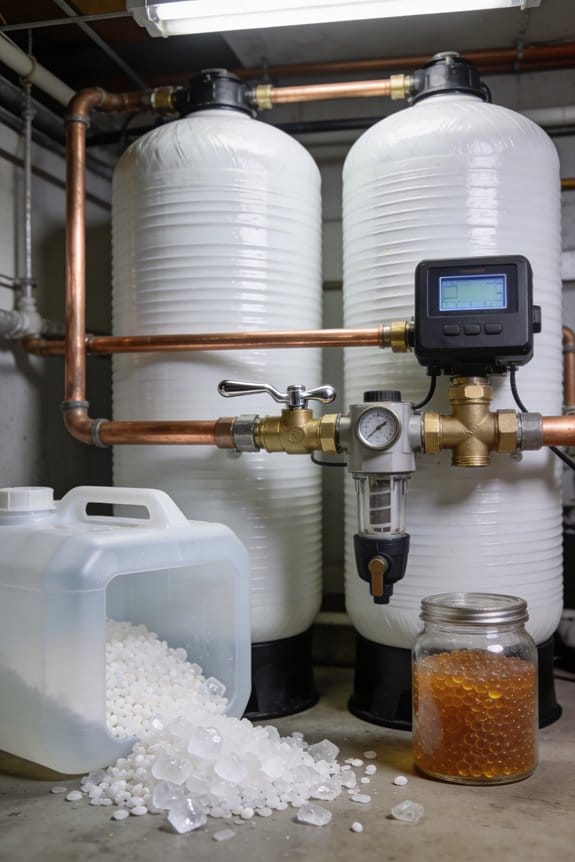
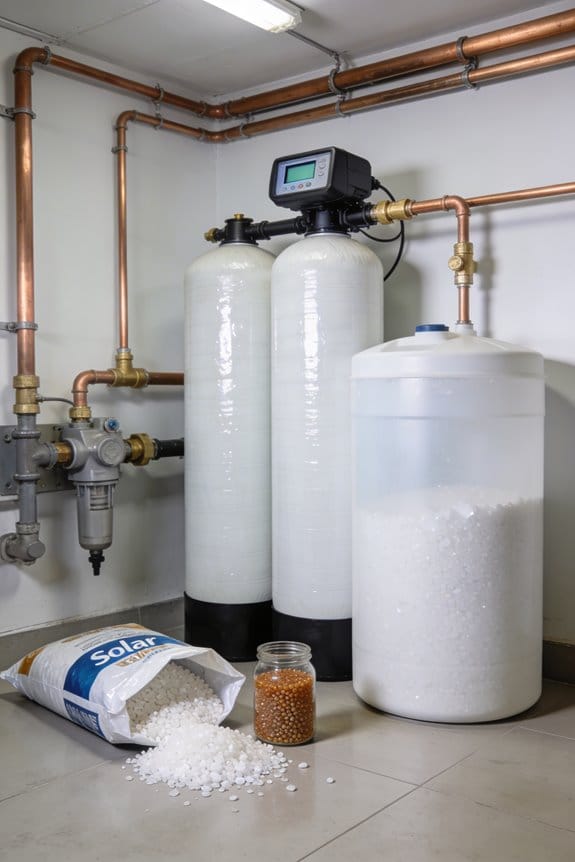
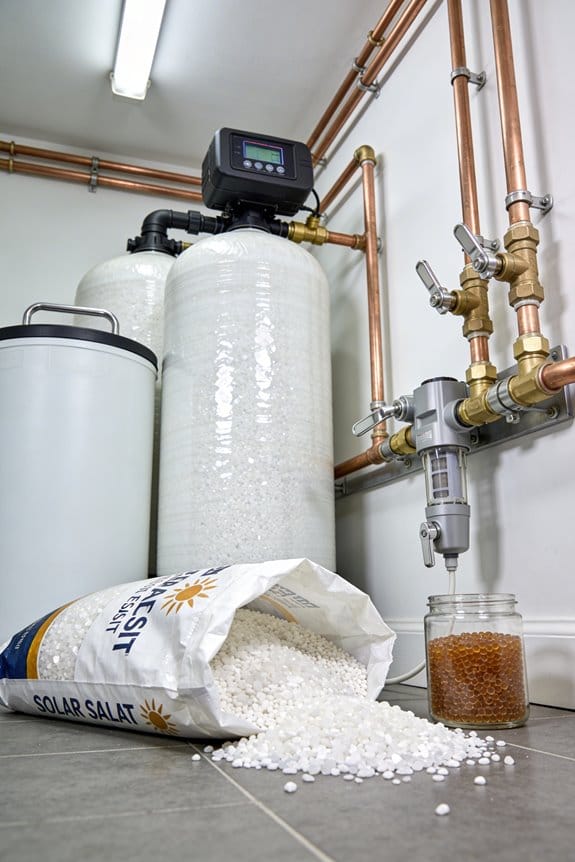
Salt-based water softeners tackle hard water through a process called ion exchange, which actually removes calcium and magnesium minerals from your water supply. When hard water flows through the system’s resin tank, these minerals stick to specialized resin beads that contain sodium or potassium ions. The resin beads fundamentally swap places with the hardness minerals, pulling them out of your water.
Over time, the resin becomes saturated with calcium and magnesium. This is where resin regeneration comes in—the system flushes salt through the tank to restore the resin’s effectiveness. This cleaning process removes trapped minerals and recharges the beads with sodium, preparing them to soften more water. The result: truly soft water that feels slippery and allows soap to lather properly.
Recommended Products

Salt-Free, Citrus-Based Softening: Uses CitraCharge technology to soften water without salt while retaining essential minerals, preventing scale buildup, and avoiding the slick feel of traditional salt-based systems.
Salt-Free, Citrus-Based Softening: Uses CitraCharge technology to soften water without salt while retaining essential minerals, preventing scale buildup, and avoiding the slick feel of traditional salt-based systems.

64k Digital Dual Tank Alternating IRON PRO Water Softener with Fleck 9100SXT
How Salt-Free Systems Prevent Scale (Without Softening)

While salt-based softeners remove hardness minerals entirely, salt-free systems take a fundamentally different approach by altering how those minerals behave in your water. Instead of removing calcium and magnesium, these systems use template-assisted crystallization to transform minerals into harmless micro-crystals. Here’s how it works: polymer resin beads act as nucleation sites where hardness minerals cluster and crystallize. These tiny crystals can’t stick to your pipes or appliances, so they flow out through your plumbing via crystal transport. The minerals remain in your water—they’re simply reformatted. This process prevents scale buildup effectively on moderately hard water, typically between 15-25 GPG. However, your water stays just as hard chemically, failing the soap test that defines true softness.
Recommended Products

【 DESIGNED FOR 4-6+ BATHROOMS 】This bundle includes our Salt-Free Conditioner, a Fortitude Pro Water Treatment System and a Pleated Sediment Pre-Filter, providing salt-free water for the entire house. Safeguard your plumbing and appliances from scale build-up without the need for electricity or salt.

【 SUITABLE FOR 1-3 BATHROOMS 】Ideal for small to medium households, this powerhouse duo of filter and conditioner provides high quality filtered water with a high flow rate of 15 GPM. Experience safe, soft, and odor-free water throughout your entire home.
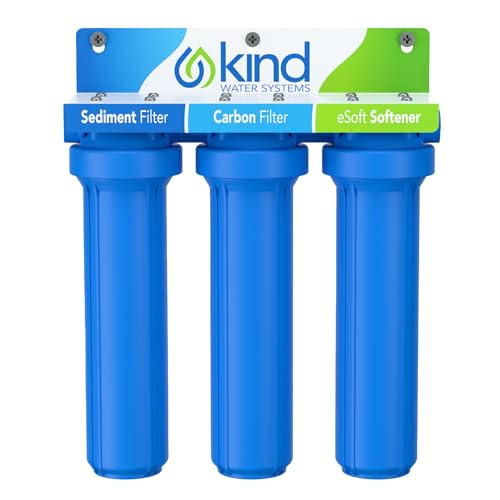
Delivers cleaner, better-tasting water throughout your entire home, improving everyday use from showering and cooking to drinking and cleaning
Which System Solves Your Hard Water Problem?

Understanding the difference between salt-based and salt-free systems helps you choose which one actually addresses your specific hard water issues. If you’re battling scale buildup in pipes and appliances, a salt-free system prevents mineral adhesion effectively. However, if you need truly soft water for better soap lathering and skin feel, you’ll need a salt-based system. Consider installation cost and long-term expenses; salt-based systems require ongoing salt purchases and produce water waste during regeneration cycles. Salt-free systems eliminate these concerns but won’t solve spotting or hard water spots on dishes. Evaluate your primary problem first, then match it to the appropriate technology. Severe hardness demands salt-based solutions, while moderate hardness with scale concerns suits salt-free alternatives.
Recommended Products

Compact design for space-saving installation: The one-tank compact design of the iSpring WCS50KG whole house water softener helps save valuable space in your home, making it easier to install in tight or limited areas. The system is designed for indoor installation and is intended for cold water supply only. It features an inlet/outlet connector with the options of 1" or ¾" NPT, providing flexibility and compatibility with different plumbing setups.

48k Digital Dual Tank Alternating IRON PRO Water Softener with 9100SXT

Complete 80,000 Grains metered on demand water softener .- Upgraded Paddle Wheel Meter
The Salt-Free Softener Scam: How Misleading Marketing Works

Because companies want to sell more products, they often label salt-free water conditioners as “water softeners” even though these devices don’t actually soften water. This consumer deception thrives partly due to weak regulatory oversight in the water treatment industry. Manufacturers use misleading terminology to make their products sound more effective than they actually are. Salt-free systems use crystallization to prevent scale buildup, but they don’t remove hardness minerals from your water. True softening requires ion exchange with salt, which actually eliminates calcium and magnesium. When you see “salt-free water softener” advertised, understand you’re looking at a scale inhibitor, not a genuine softening solution. Reading product descriptions carefully helps you make informed purchasing decisions and avoid overpaying for ineffective treatments.
Frequently Asked Questions
Can Salt-Free Systems Remove Minerals Beneficial for Drinking Water Health?
No, I can’t remove beneficial minerals because salt-free systems don’t eliminate hardness minerals—they crystallize them. Your mineral retention supports health impacts, preserving calcium and magnesium that salt-based softeners would strip away.
What Hardness Level Makes Salt-Free Systems Completely Ineffective for Scale Prevention?
I’d say salt-free systems completely fail when you’re dealing with high hardness levels beyond 25 GPG. At that calcium saturation point, they can’t prevent scale effectively anymore, and you’ll need ion exchange instead.
Do Salt-Free Water Conditioners Require Any Electricity or Ongoing Maintenance Costs?
I’ve found salt-free systems like a set-it-and-forget-it appliance—they require no electricity and demand only occasional cleaning of polymer resin beads. You’ll skip ongoing salt expenses entirely, making maintenance minimal compared to traditional softeners.
How Long Do Salt-Free System Cartridges Typically Last Before Replacement?
I’d say most salt-free cartridges last 6-12 months, though replacement intervals depend on your water hardness and usage. You’ll find cartridge lifespan varies by manufacturer, so check your system’s specifications for exact recommendations.
Can Salt-Free Systems Prevent Spotting on Dishes and Glassware Effectively?
No, I’d say salt-free systems won’t effectively prevent spotting on dishes and glassware. They’re not dishwasher compatible for this purpose since they don’t remove minerals causing spots. Glass etching persists with untreated hard water.