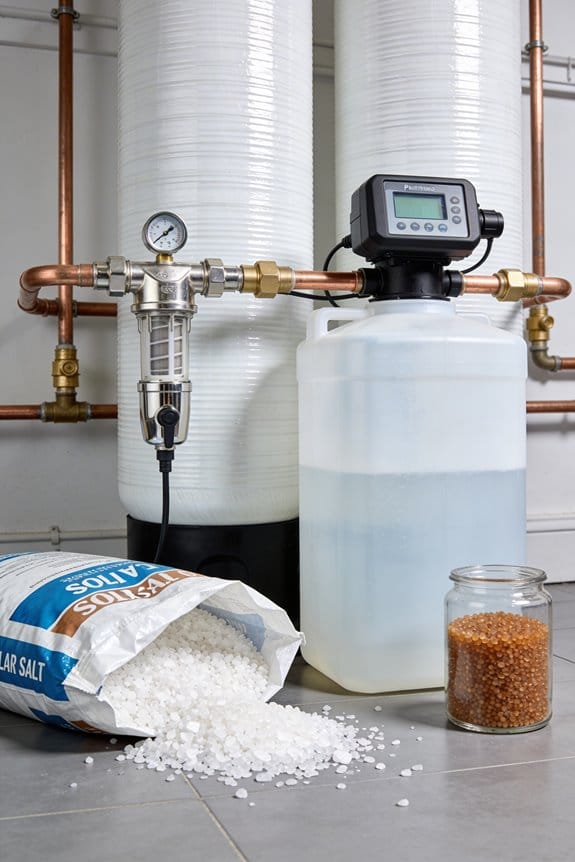


Potassium chloride salt substitutes replace sodium with potassium, an essential mineral that relaxes blood vessels and supports heart health. Research shows switching can reduce sodium intake by 75% while cutting death risk by 20%. However, they cost 1.5 times more than regular salt and aren’t safe for people with kidney disease or those on certain medications. Starting with 20–50% replacement and consulting your doctor first helps determine if this option works for you.
Key Takeaways
- Potassium chloride replaces sodium while maintaining salty taste and supporting cardiovascular health through blood pressure reduction.
- Major studies show reduced stroke, heart attack, and early death risks with potassium chloride adoption versus traditional salt.
- Healthy adults can safely use 20–50% potassium chloride replacement after consulting healthcare providers and reviewing medications.
- Potassium chloride costs 1.5 times more than sodium chloride but may offset expenses through long-term health benefits.
- People with kidney disease, dialysis patients, and those on certain medications must avoid potassium chloride due to hyperkalemia risks.
What Is Potassium Chloride Salt and How Does It Work?
At its core, potassium chloride salt is a compound that replaces traditional sodium chloride (table salt) by swapping out most or all of the sodium with potassium, which is an essential mineral your body needs. Instead of adding sodium to your diet, you’re adding potassium, an electrolyte that helps regulate your body’s fluid balance and nerve function.
Your kidneys handle potassium differently than sodium. While sodium tends to accumulate and raise blood pressure, potassium promotes renal handling that encourages sodium excretion through urination. This process reduces the amount of sodium circulating in your bloodstream. Additionally, potassium relaxes your blood vessel walls, further lowering pressure. The result is improved electrolyte balance throughout your body, supporting better cardiovascular health without sacrificing the salty taste you’re accustomed to.
Potassium Chloride Salt and Heart Health: What the Research Shows

When you switch from regular salt to potassium chloride, your heart benefits in measurable ways, according to research involving thousands of people across multiple studies. The cardiovascular mechanisms work like this: potassium relaxes your blood vessels and helps your body excrete excess sodium through urine, which lowers blood pressure markedly. A major trial following 20,995 people showed reduced risks of stroke, heart attacks, and early death. Population modeling in China suggests that national adoption could prevent 400,000 premature deaths annually. The research demonstrates that potassium chloride reduces cardiovascular mortality more effectively than sodium reduction alone. Highest potassium intake is linked to 20% lower death risk compared to lowest intake, making this substitution a practical strategy for heart protection.
How Much Sodium Does Potassium Salt Actually Cut?
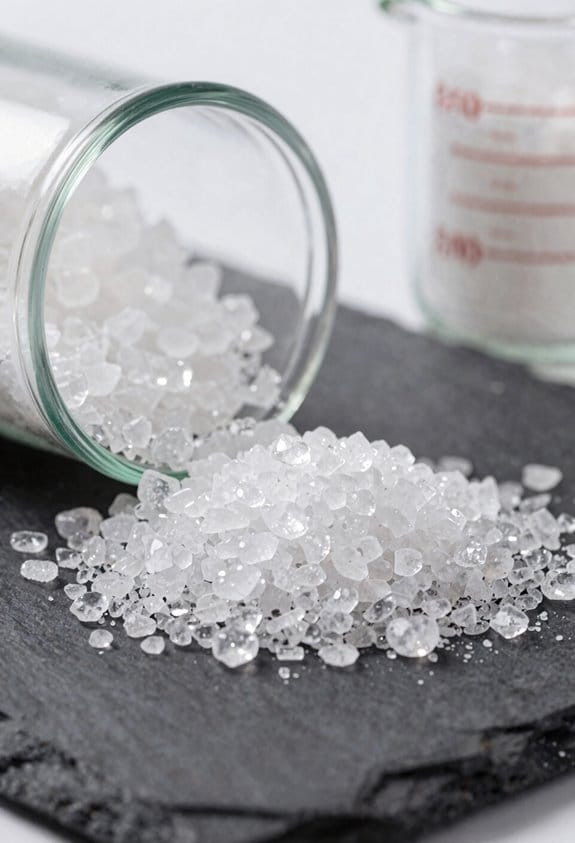
Potassium chloride salt substitutes can dramatically reduce your sodium consumption, bringing your daily intake closer to what health experts recommend. The average American currently consumes about 3,400 mg of sodium daily, exceeding the recommended 2,300 mg limit. When you replace regular salt with potassium chloride versions, you can achieve significant sodium reduction through both home cooking and reformulated foods. Some countries, like China, have demonstrated up to 75% sodium reduction in cooking salt by switching to these substitutes. This sodium reduction directly improves your blood biomarkers, including blood pressure readings and cardiovascular health indicators. Using potassium chloride salt at 20-50% replacement levels poses minimal risk for healthy adults while delivering meaningful health benefits.
How Potassium Salt Tastes and Cooks
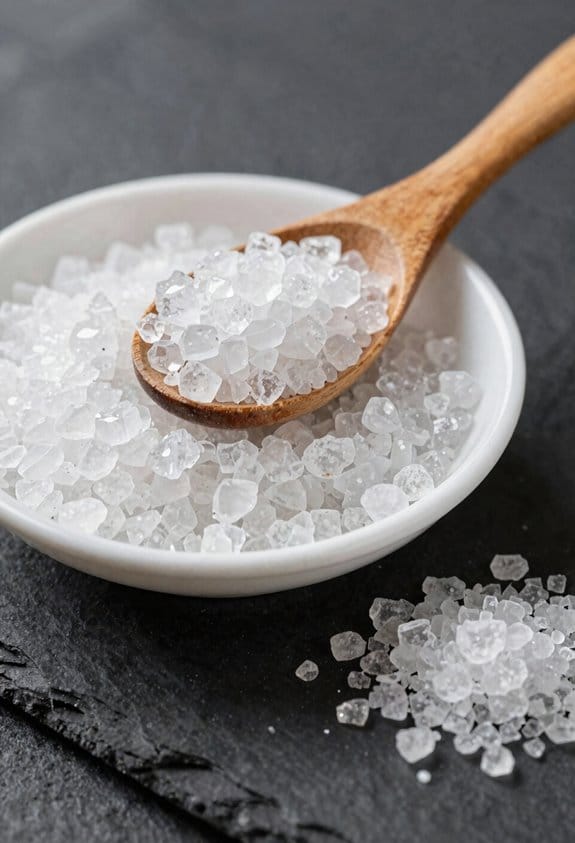
Most potassium chloride salt substitutes provide a salty flavor that closely resembles traditional sodium chloride, making them a practical swap for your everyday cooking and table use. However, you’ll notice subtle texture differences when using these alternatives. They dissolve similarly in recipes, though some brands may leave a slightly bitter aftertaste if you use excessive amounts.
For cooking tips, I’d recommend starting with a 50% blend of potassium chloride and regular salt. This approach lets your palate adjust gradually while maintaining familiar flavors in your dishes. You can increase the potassium salt ratio over time as you acclimate. In manufactured foods, manufacturers incorporate potassium chloride seamlessly without significant sensory changes, demonstrating its viability in both home and commercial kitchens.
Recommended Products

✔️ Get the Potassium You Need: Potassium is an important mineral that our bodies need for a variety of reasons. And, our potassium gluconate powder, or potassium powder and potassium supplement. Plus our Potassium Gluconate, a potassium electrolyte powder, with 84mg of potassium, in your diet today!

LESS SALT, MORE FLAVOR - Enjoy tasty meals without using regular table salt. This salt substitute helps add flavor to everyday meal.
Home Cooking vs. Store-Bought Salt Alternatives
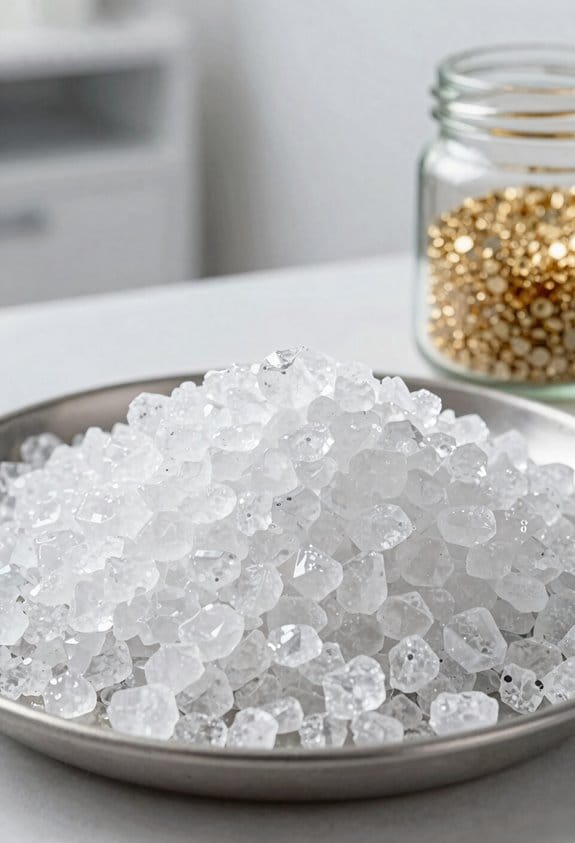
As you incorporate potassium chloride salt into your diet, you’ll find two main pathways: using salt substitutes you purchase for home cooking, or consuming products reformulated by manufacturers with these alternatives already included. Home recipes benefit from pantry swaps, where you replace traditional salt with potassium chloride during meal preparation. This approach gives you direct control over sodium reduction and potassium content. Store-bought alternatives, however, offer convenience through pre-reformulated foods, which often contain up to 50% salt substitute without noticeable taste changes. Manufacturers handle the sodium reduction at scale, making compliance easier for busy individuals. Both methods achieve similar health benefits, though home cooking provides greater customization while store-bought options require less effort and planning for dietary adjustments.
Recommended Products
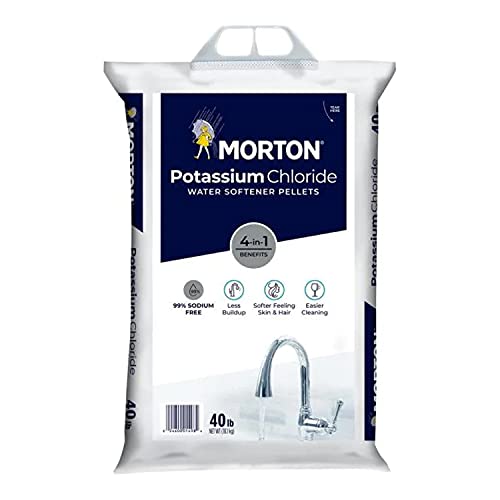
This product adds a great value

Morton Salt Substitute, Sodium Free, For All Cooking, Excellent Source of Potassium, Kosher, 3.18 Ounce (Pack of 12)

Foundational Elements for Wellness: Potassium supplements & Magnesium supplements are the cornerstones of health, playing critical roles in various bodily functions to your overall health & well-being. Ensure your body has the right building blocks for vitality.
Cost Comparison: Is Potassium Salt Worth It?
When you’re deciding whether to switch to potassium chloride salt, the price tag often becomes a significant factor in your choice. Currently, potassium chloride salt costs approximately 1.5 times more than traditional sodium chloride, making the price comparison an important consideration for household affordability.
However, this higher upfront cost shouldn’t automatically discourage you. The long-term health benefits—including reduced blood pressure, lower stroke risk, and decreased cardiovascular mortality—may justify the expense for many families. When you calculate potential savings from fewer doctor visits and medications, the investment becomes more reasonable.
For household affordability, you might start by gradually replacing your regular salt with potassium alternatives in cooking, rather than switching everything immediately. This approach helps your budget adjust while still providing meaningful health advantages over time.
Recommended Products

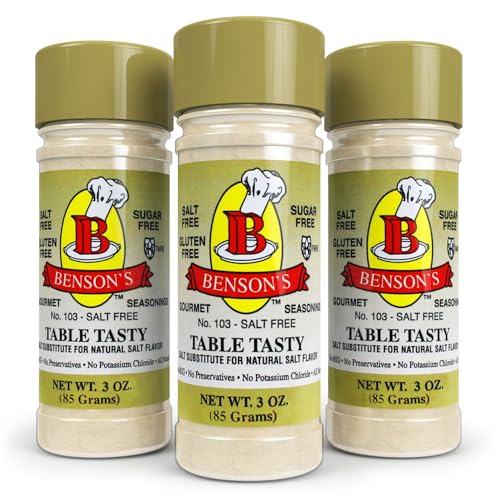
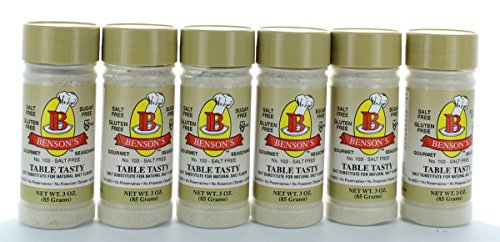
TABLE TASTY: Is an all natural no potassium chloride salt substitute with a nice salty taste and no bitter after taste.

Foundational Elements for Wellness: Potassium supplements & Magnesium supplements are the cornerstones of health, playing critical roles in various bodily functions to your overall health & well-being. Ensure your body has the right building blocks for vitality.
Who Shouldn’t Use Potassium Chloride Salt?
Before I recommend potassium chloride salt as a universal solution for everyone, it’s important to understand that certain groups should avoid it or use it only under medical supervision. People with kidney disease face particular risk, since their bodies struggle to regulate potassium levels effectively. Dialysis patients, who depend on machines to filter their blood, must be especially cautious because excess potassium can cause dangerous heart rhythms. Additionally, pregnancy caution is warranted—pregnant women should consult their doctors before switching to potassium-enriched alternatives. Those taking medications that increase potassium retention, such as certain blood pressure drugs, also need professional guidance. If you have existing health conditions affecting kidney function or metabolic processes, discussing potassium chloride salt with your healthcare provider makes sure you’re making the safest choice for your individual circumstances.
Do You Need Iodized Salt Alternatives?
Now that you understand who shouldn’t use potassium chloride salt, you might wonder if choosing a salt alternative means sacrificing iodine, a nutrient your body needs for proper thyroid function. The good news is that iodized alternatives exist. Manufacturers produce potassium chloride salt with added iodine, maintaining the same nutrient profile as traditional iodized salt. This addresses important thyroid considerations, since iodine deficiency can cause goiter and metabolic problems. When shopping for salt alternatives, look for products labeled as iodized to make sure you’re getting adequate iodine. If you’re concerned about your iodine intake or have specific dietary needs, consulting your doctor helps determine whether iodized salt alternatives suit your health requirements.
Recommended Products
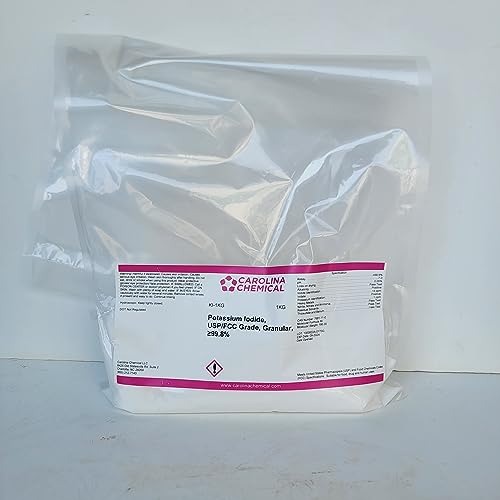
Potassium Iodide Pharmaceutical USP FCC Grade Powder Crystals ≥99.8% 1000 grams
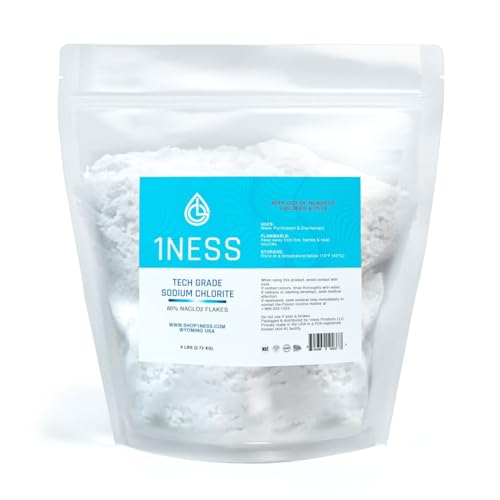
🌿 Pure & Natural: Experience the highest purity with our Sodium Chlorite, 80% Flakes. Absolutely no additives, preservatives, fillers, or binders - just the single, raw ingredient in its most natural state.

32 lbs Potassium Hydroxide (KOH) per container packaged 16 x 2 lbs per container in an HDPE container with a resealable child proof cap.
Safety Checks Before Buying Potassium Chloride Salt
Since potassium chloride salt offers real health benefits, you’ll want to make sure you’re choosing a product that’s safe for your specific situation. Before buying, I’d recommend getting a kidney screening, as people with kidney problems need to be careful with potassium intake. Additionally, conduct a medication review with your doctor, since certain medications interact poorly with potassium chloride. If you have renal dysfunction or potassium sensitivity, this salt substitute may not be appropriate for you. Check product labels for iodized versions, which maintain nutritional profiles. Buy from reputable manufacturers whose products meet FDA standards. Start with small amounts to monitor how your body responds, and consult your healthcare provider if you have any medical conditions.
Recommended Products

Sodium chloride tablets may be used to replace the sodium lost from the body and thereby return sodium chloride levels to normal.


WORLD BEST LOW SODIUM SALT - Even with These 60% reduced sodium salt, our salt crystals add the same rich tasty flavor to all your dishes without increasing the levels of this mineral in your body, It's the best alternative for the regular salt in the market.
Frequently Asked Questions
Can Potassium Chloride Salt Be Used in Food Manufacturing for Preservation and Pathogen Control?
I’d say potassium chloride isn’t ideal for food-grade preservation since sodium chloride’s superior for microbial inactivation and pathogen control. You’ll find it works better as a sodium replacement than a preservation agent in manufactured foods.
How Does Potassium Chloride Salt Compare to Simply Eating More Potassium-Rich Foods?
Like two paths to the same summit, I’d say salt substitutes offer convenience where food sources demand effort. They’re portable, consistent, and taste familiar—though dietary counseling helps you navigate which suits your needs best.
What Is the Recommended Daily Potassium Intake When Using Potassium Chloride Salt?
I’d recommend you follow standard dietary guidelines of 2,600-3,400 mg daily, adjusting based on your health status. You’ll want intake monitoring with your doctor, especially regarding daily limits if you’ve got kidney concerns.
Are There Population Groups Beyond High-Risk or Asian Populations Studied for Safety?
I’ll be honest—the knowledge base indicates we’re lacking long term safety data across diverse populations. You’ll find pediatric studies are particularly limited, meaning we don’t fully understand how salt substitutes affect children’s developing systems.
Can Potassium Chloride Salt Be Safely Combined With Blood Pressure Medications?
I’d recommend consulting your doctor before combining potassium chloride salt with blood pressure medications, as potential drug interactions exist. Your physician can monitor you through cardiac monitoring to guarantee safe usage with your current prescriptions.