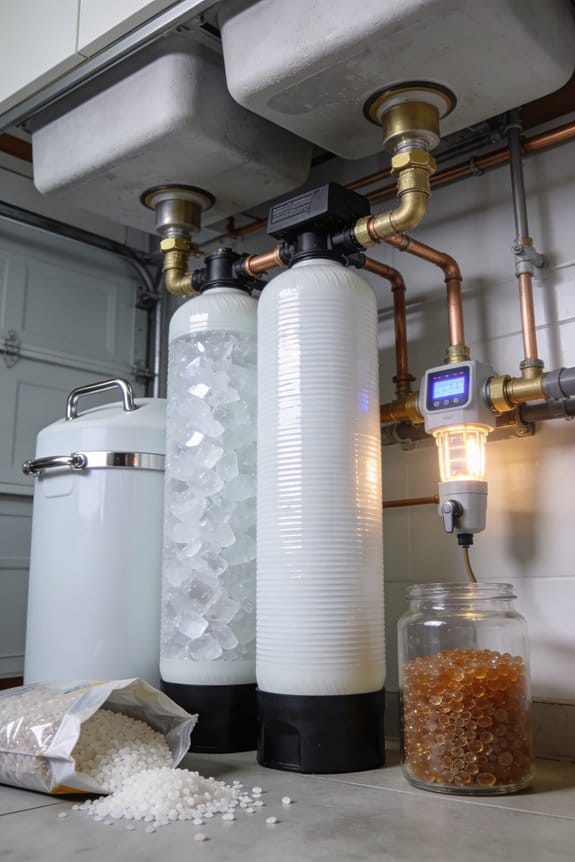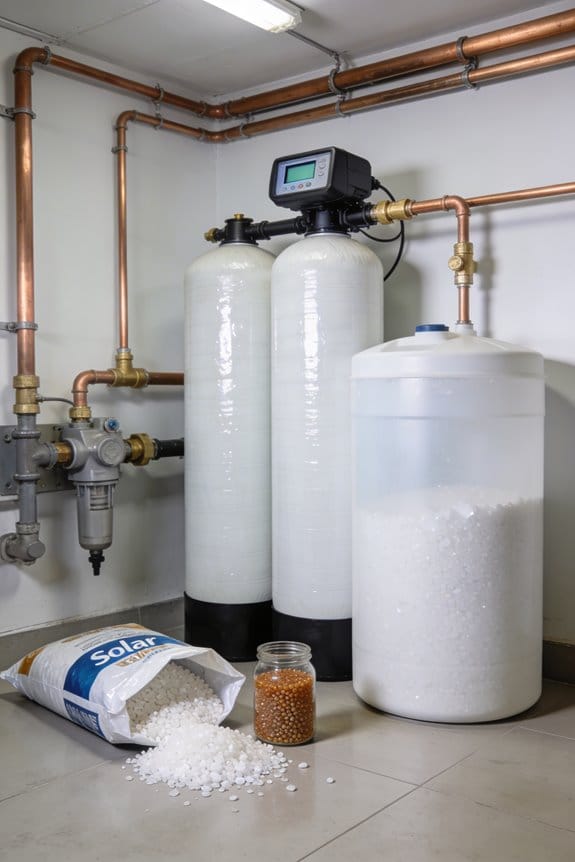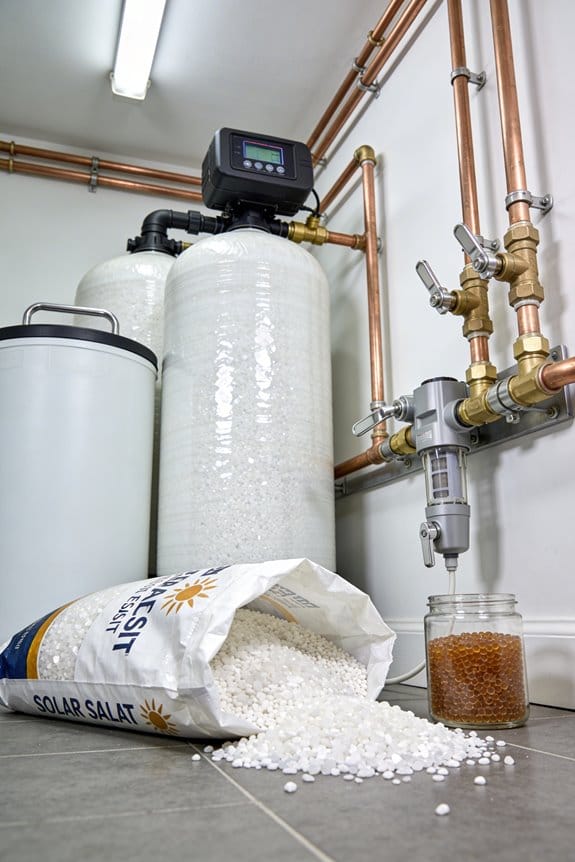
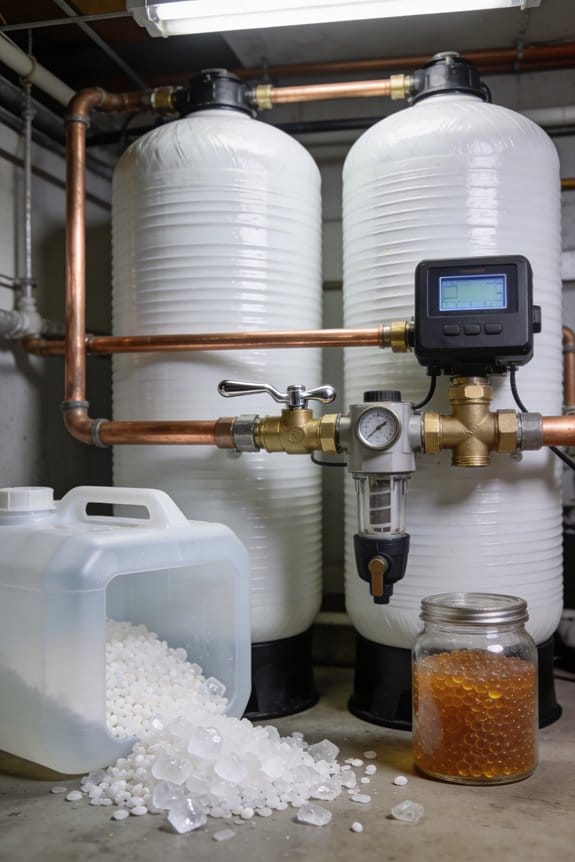

Many U.S. counties ban salt-based water softeners because they discharge brine that increases chloride levels in recycled water and drinking supplies. This contamination harms public health and damages freshwater resources that communities depend on. Cities like Los Angeles, San Diego, and Santa Barbara restrict these systems to protect shared water sources. However, demand-initiated regeneration systems and salt-free conditioners offer compliant alternatives that reduce environmental impact while still treating hard water effectively.
Key Takeaways
- Salt-based softeners discharge brine that increases chloride levels in drinking water and recycled water supplies.
- Chloride contamination from brine harms freshwater resources and damages municipal water recycling programs.
- Cities like Los Angeles, San Diego, and Santa Barbara restrict salt-based systems to protect shared water resources.
- Texas, Minnesota, Wisconsin, and Connecticut implemented regulations to limit salt discharge and protect groundwater.
- Local ordinances balance resident water-softening needs against environmental protection and public health priorities.
Why Your City Bans Water Softeners: And Why It Matters to You

When you turn on your tap at home, you might not think about what happens to the water after it goes down the drain, but many city officials do, which is why they’ve cracked down on salt-based water softeners in recent years. Local politics plays a pivotal role in these bans because city councils must balance residents’ needs with environmental protection. Your city likely restricts these systems to protect public health, since salt discharge from water softeners increases chloride levels in recycled water and drinking supplies. When brine enters wastewater systems, it contaminates water sources that your community depends on. Understanding why your local government restricts these softeners helps you make informed choices about your home’s water treatment, ensuring you comply with regulations while protecting the shared resources everyone relies on.
Is Your Water Softener Legal? Where Bans Exist in America
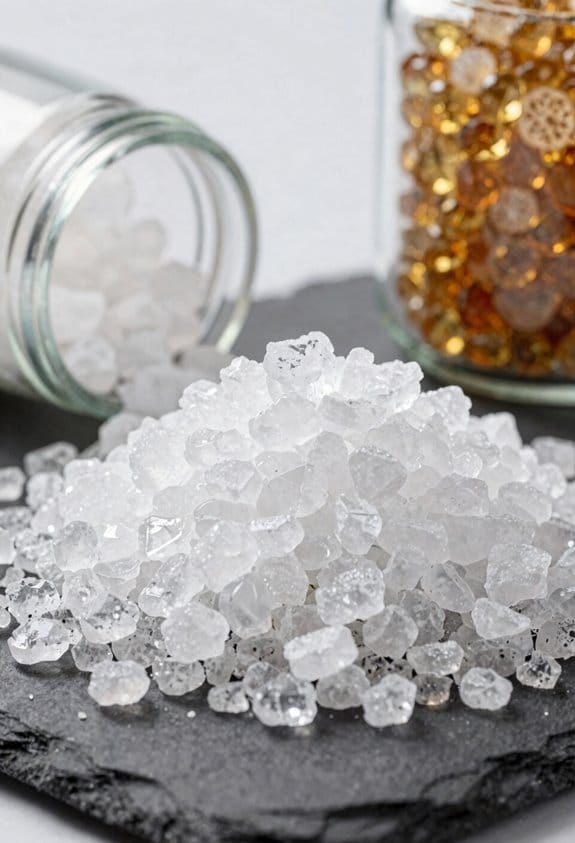
Before you install a water softener or keep using one you already have, you’ll want to check whether your state or local area allows salt-based systems, because regulations vary greatly across the United States. California has no statewide ban, but many cities including Los Angeles, San Diego, and Santa Barbara restrict them. Texas banned salt-based softeners in 2001, though demand-initiated regeneration systems are now permitted. Minnesota and Wisconsin regulate systems to protect freshwater resources. Connecticut and Massachusetts also impose restrictions. You should review your local ordinances and property disclosures before purchasing equipment. Contact your utility district or sanitation department to understand specific chloride restrictions in your area and discover compliant alternatives available to you.
Recommended Products

Complete Twin tank water softener provides continuous soft water

Delivers cleaner, smoother water throughout your entire home, enhancing everyday moments from showering and cooking to drinking and cleaning

【 SUITABLE FOR 1-3 BATHROOMS 】Ideal for small to medium households, this powerhouse duo of filter and conditioner provides high quality filtered water with a high flow rate of 20 GPM. Experience safe, soft, and odor-free water throughout your entire home.
What Happens If You Get Caught With a Banned System

If you’re discovered operating a banned salt-based water softener in a restricted area, you’ll face a range of serious consequences that can affect both your wallet and your home. Local authorities may issue removal orders requiring you to uninstall the system immediately. You’ll likely incur substantial fines and increased water charges from your utility company. If you refuse inspection, sewage bills can reach $2,000, with authorities assuming you’re operating an illegal system. Beyond financial penalties, you’ll face property liability issues if brine discharge damages water quality or causes environmental harm. Industrial waste inspectors may search your home to verify compliance. Switching costs include removal fees and new equipment installation, making non-compliance expensive and legally risky.
How to Verify Your Local Water Softener Rules

Since regulations vary markedly by location, determining what’s allowed in your area requires contacting your local water utility or sanitation district directly. Your utility contacts should provide information about local ordinances regarding water softeners in your jurisdiction. Ask specifically whether salt-based systems are banned, restricted, or require high-efficiency demand-initiated regeneration models. Request written documentation of these rules, as policies differ between nearby cities and counties. Many districts maintain websites listing chloride restrictions and compliant equipment options. If you’re uncertain which agency governs your area, call your city or county public works department. They’ll direct you to the appropriate sanitation district. Having clear written confirmation prevents costly violations and guarantees you select equipment that meets your community’s environmental standards.
Demand-Initiated Regeneration: A Softener Ban Workaround
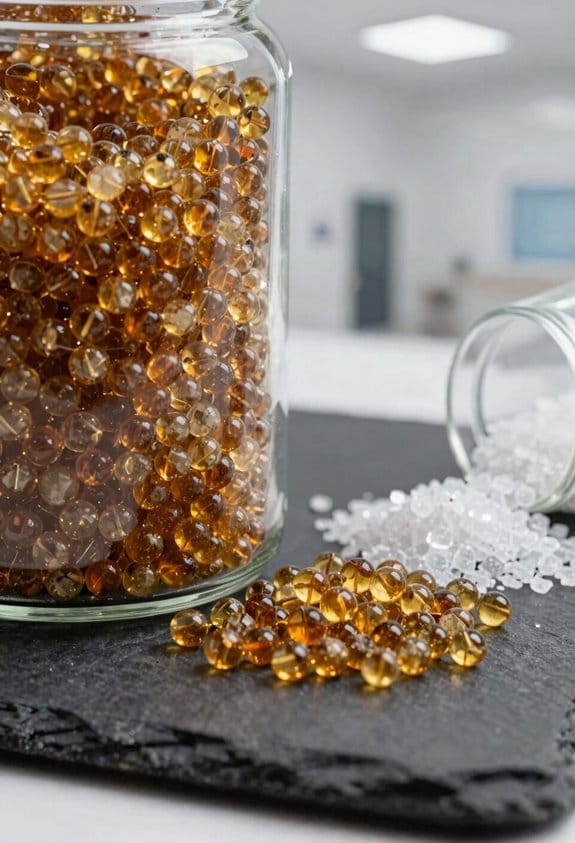
When you’re dealing with a salt-based water softener ban in your area, demand-initiated regeneration (DIR) systems offer a practical solution that can help you steer around strict regulations. Unlike traditional softeners that regenerate on fixed schedules, DIR systems use sensor integration to monitor your water usage patterns in real time. These sensors detect when your water has reached specific hardness levels, triggering regeneration only when necessary. This usage monitoring approach markedly reduces water waste and brine discharge compared to conventional models. DIR systems consume less salt and water per regeneration cycle, making them compliant with many local ordinances. If your region permits DIR technology, installing one represents a legitimate way to soften your water while meeting environmental standards and local requirements.
Recommended Products
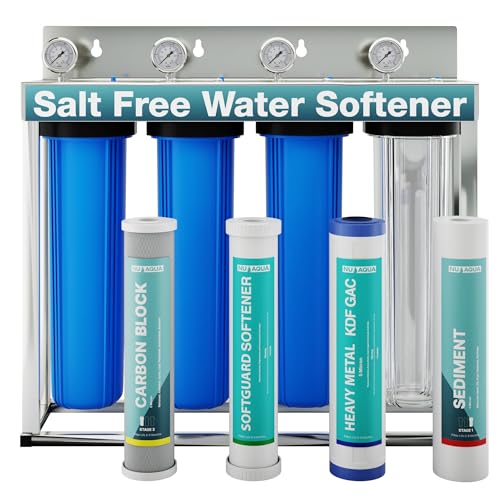
SALT FREE SOFTENING TECHNOLOGY: The NU Aqua Whole House Water Filter System utilizes advanced scale prevention media to reduce hard water buildup without using salt, protecting plumbing and appliances while preserving beneficial minerals like calcium and magnesium.

【 PERFECT FOR LARGE HOUSEHOLDS】 Ideal for 6-8 people with up to 6 bathrooms on city, municipal, and well water sources, this heavy-duty whole house water softener system delivers ultra-soft water to every tap.

Perfect for Families Large or Small: Designed for households of 1–5+ people dealing with hard water. The EcoPure EP42 treats up to 42,000 grains and removes up to 11 ppm of clear water iron, protecting your entire home from scale buildup and stains
Salt-Free Water Conditioners That Actually Stop Scale
Beyond demand-initiated regeneration systems, salt-free water conditioners break down the mineral deposits that cause scale buildup through fundamentally different mechanisms that don’t rely on ion exchange or brine discharge. These systems use ceramic media and template assisted crystallization to transform hard minerals into harmless crystals that flow through your pipes without sticking to surfaces.
Superior Water Conditioner exemplifies this approach, using no chemicals or salts while removing existing scale buildup. The ceramic media filters water as crystallization occurs, preventing mineral adhesion on fixtures and appliances. Since these systems produce no brine discharge, they comply with California’s chloride ordinances and protect local water resources.
Hague WaterMax similarly exceeds California efficiency standards under Health & Safety Code §116785, offering homeowners a compliant alternative that addresses hard water without environmental consequences.
Recommended Products

【 DESIGNED FOR 4-6+ BATHROOMS 】This bundle includes our Salt-Free Conditioner, a Fortitude Pro Water Treatment System and a Pleated Sediment Pre-Filter, providing salt-free water for the entire house. Safeguard your plumbing and appliances from scale build-up without the need for electricity or salt.

EASILY WIPE AWAY SCALE: HydroFlow’s advanced technology electronically treats water to prevent minerals from binding to pipes, water heaters, faucets, etc. While it does not prevent the white stuff/scale, the HydroFlow unit prevents the minerals from binding to your pipes and faucets making clean up a simple wipe.

【 SUITABLE FOR 1-3 BATHROOMS 】Ideal for small to medium households, this powerhouse duo of filter and conditioner provides high quality filtered water with a high flow rate of 15 GPM. Experience safe, soft, and odor-free water throughout your entire home.
Why Older Softeners Waste Water and Money
While salt-free conditioners represent a modern solution to hard water problems, understanding why older salt-based softeners became problematic helps explain why many counties moved toward regulation and bans. Old appliances, particularly traditional water softeners, required frequent service frequency to maintain effectiveness. These systems wasted enormous water volumes during regeneration cycles, when they flushed out accumulated minerals and recharged with brine solution. A single regeneration could consume 35 to 60 gallons of water just for the cleaning process. Multiplied across thousands of homes, this created substantial environmental strain on local water supplies. Additionally, frequent maintenance visits increased household expenses markedly. Modern demand-initiated regeneration systems address these inefficiencies by activating only when necessary, substantially reducing both water consumption and operational costs for homeowners.
Recommended Products

Aquasana SimplySoft 60,000 Grain Water Softener Base Tank & Cabinet System is ideal for larger homes of 5+ people and 4+ bathrooms and those seeking enhanced performance. This system comes with a 5/10-Year Limited Warranty so you can be confident in your purchase. Call 866-662-6885 for customer service and installation support.
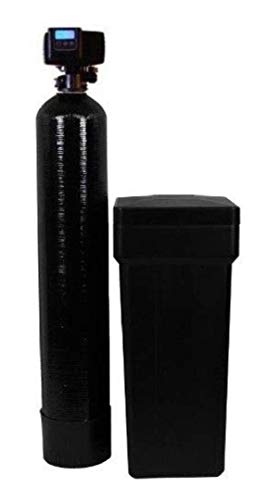
High flow whole house water softener for larger homes

💧【 IDEAL FOR 4-6 BATHROOMS 】The Aquasure Harmony Series is engineered to handle up to 70,000 grains of hardness by removing skin damaging hard minerals like calcium and magnesium, providing professional-grade softened water to every outlet throughout your home.
Which States and Cities Enforce Bans Most Strictly
As environmental concerns about salt contamination intensified across the country, different states and cities developed varying enforcement strategies, ranging from strict prohibitions to more flexible regulations. California emerged as a regulatory hotspot, with Santa Clarita Valley implementing outright bans while Los Angeles, San Diego, and Santa Barbara enforce strict restrictions. Texas banned salt-based systems in 2001, though it later permitted demand-initiated regeneration (DIR) systems. Minnesota and Wisconsin developed aggressive enforcement trends protecting freshwater lakes from salt runoff. Connecticut and Massachusetts also regulate these systems heavily. Arizona and New Mexico municipalities adopted partial bans for groundwater protection. Enforcement varies markedly; some areas issue removal orders and substantial fines for violations, while others allow compliant alternatives like DIR systems that meet efficiency standards.
Making the Switch: Removal, Replacement, and Rebate Programs
For homeowners facing bans or restrictions on salt-based water softeners, the shift to compliant systems involves three key steps: removing the old equipment, installing a replacement, and potentially accessing financial assistance. Removal logistics typically include draining the brine tank and disconnecting plumbing lines, which homeowners can handle or hire professionals to complete. Installation costs for alternative systems like demand-initiated regeneration (DIR) units or salt-free conditioners range widely depending on your system choice and home setup. Replacement timing matters, as some jurisdictions enforce strict deadlines before issuing fines. Rebate eligibility varies by location; Santa Paula, Fillmore, and Santa Clarita previously offered buyback programs to incentivize early conversions. Contact your local water utility to confirm available incentives and compliance requirements before proceeding.
Recommended Products

PROTECTS PLUMBING AND APPLIANCES FROM HARD WATER SCALE WITH ZERO WATER WASTE FILTERS DIRT, SAND, SILT, CLAY, RUST, AND OTHER DEBRIS WITH REUSABLE SEDIMENT FILTER CARTRIDGE CAN BE USED FOR HOMES WITH UP-TO 5 BATHROOMS EASY INSTALLATION, LOW MAINTENANCE 120-DAY SATISFACTION GUARANTEE

Salt-Free, Citrus-Based Softening: Uses CitraCharge technology to soften water without salt while retaining essential minerals, preventing scale buildup, and avoiding the slick feel of traditional salt-based systems.
Salt-Free, Citrus-Based Softening: Uses CitraCharge technology to soften water without salt while retaining essential minerals, preventing scale buildup, and avoiding the slick feel of traditional salt-based systems.
Frequently Asked Questions
How Much Does It Cost to Remove and Replace a Banned Water Softener System?
Removal and replacement costs vary, but I’d budget $1,500–$3,000 total. That includes disposal fees for your old system, plus installation costs for a compliant alternative like a salt-free conditioner or demand-initiated regeneration unit.
Can I Install a Salt-Based Softener if I Have a Septic System Instead?
Massachusetts bans salt-based softeners in septic homes, affecting thousands. You can’t install one—septic compatibility is poor. Salt damages drain alternatives and system bacteria. Check your local regulations for compliant options.
What Exactly Is Chloride and Why Is It Harmful to Water Supplies?
Chloride’s a salt compound that doesn’t break down in water treatment. I’ll explain its aquatic toxicity: it accumulates in ecosystems, harming fish and plants while contaminating drinking supplies through chloride chemistry processes that can’t remove it effectively.
Do Demand-Initiated Regeneration Systems Work as Effectively as Traditional Salt-Based Softeners?
Yes, they’re equally effective. Here’s what strikes me: Los Angeles spends $1 million daily treating desalinated water. DIR systems match traditional softeners’ performance through smart regeneration timing and demand responsiveness, using far less water and salt.
Are There Financial Incentives or Rebates Available When Switching to Compliant Systems?
I’ve found that utility rebates and manufacturer discounts can help offset your switching costs. Check with your local water district—many offer incentives for upgrading to compliant systems. You’ll also find manufacturer discounts on DIR and salt-free alternatives.